6 Immediate Steps for a Broken Tooth Emergency in Canada

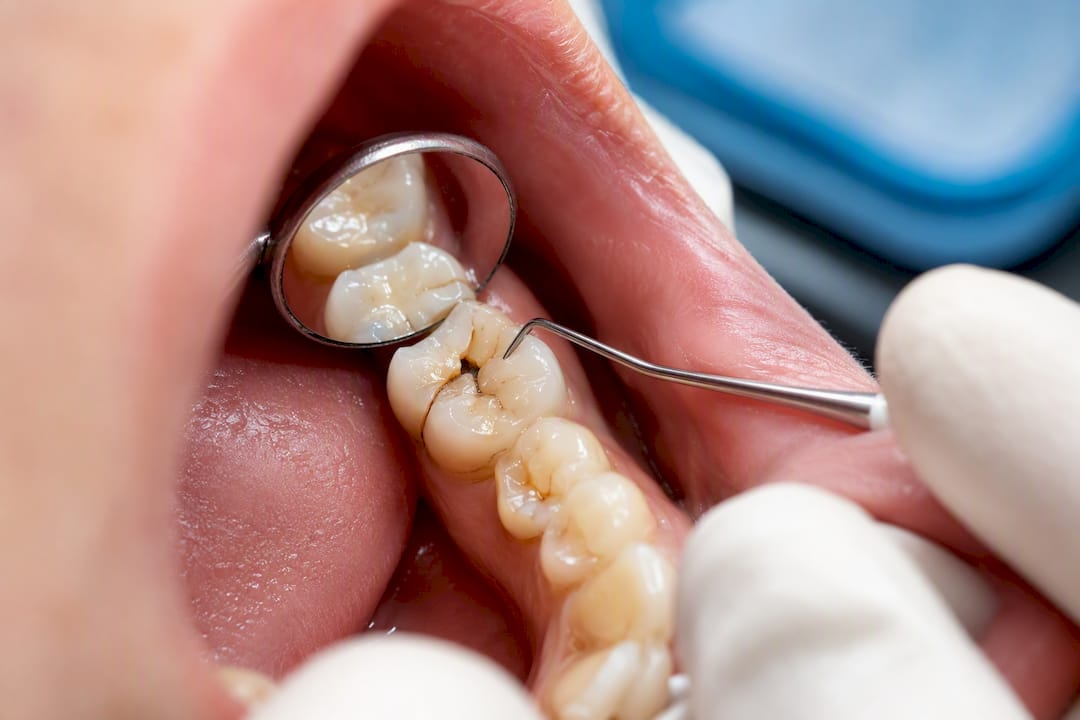
Rinse your mouth with warm water, control any bleeding with firm gauze pressure, and keep broken pieces moist in milk or saliva. Call your dentist right away. Go to the emergency room only if you have uncontrolled bleeding, a suspected facial fracture, or trouble breathing or swallowing.
TL;DR:
A knocked-out tooth has the highest chance of survival if replanted within 30 minutes, with success decreasing significantly after that window.
For broken or chipped teeth, treatment varies from smoothing enamel to root canal, depending on the depth of the fracture and exposure of the pulp.
Handling tooth fragments involves storing them in milk or saliva and re-inserting if possible, as timely preservation increases the likelihood of reattachment.
Emergency room visits are reserved for uncontrolled bleeding, facial fractures, or breathing issues, while dental offices handle most other trauma the same day.
Over-the-counter pain relief like ibuprofen or acetaminophen can manage pain temporarily, but severe or persistent pain indicates deeper injury requiring prompt dental assessment.
Table of Contents
Immediate Self-Care Steps After a Broken or Chipped Tooth
The first few minutes after a broken tooth emergency shape how well things go afterward. Here’s what we tell patients to do before they even reach a dentist’s chair:
Rinse gently with warm water to clear debris and get a clear look at the damage.
Apply firm gauze pressure to any bleeding area for about 10 minutes straight without checking every 30 seconds.
Use a cold compress on the cheek near the injury to limit swelling.
Take an OTC pain reliever like acetaminophen or ibuprofen, but skip aspirin if there’s active bleeding since it thins blood.
Cover sharp edges with dental wax or softened sugar-free gum so the tongue and cheek don’t get cut.
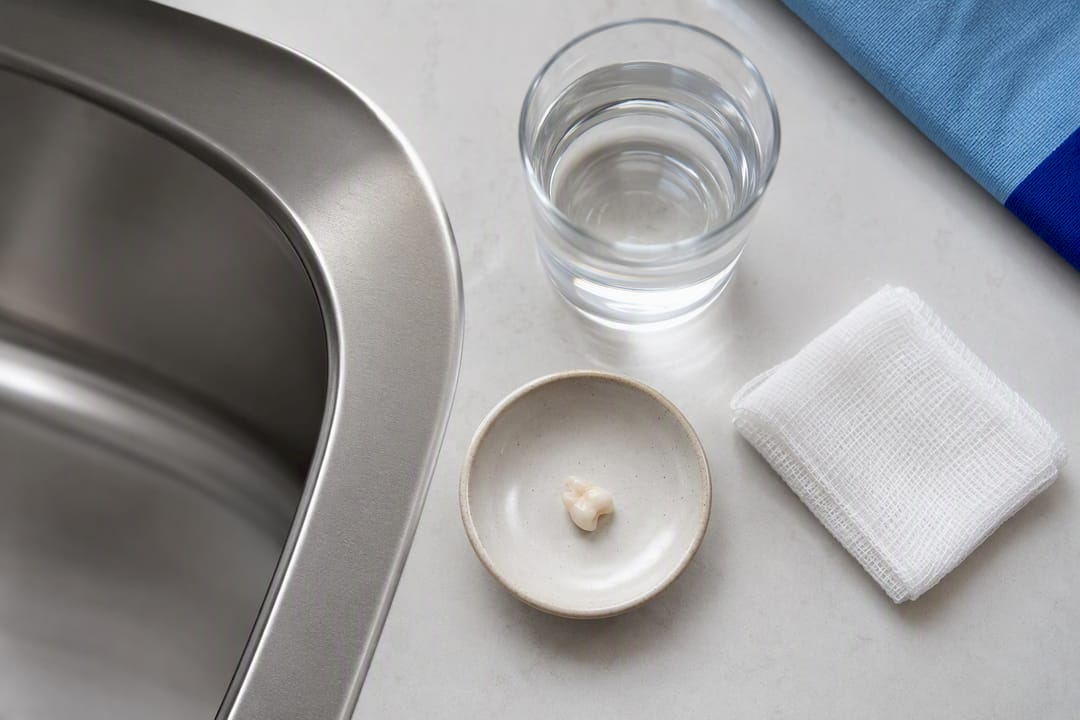
Save any broken pieces in a bit of milk or your own saliva, in a clean container, and bring them with you.
If bleeding won’t stop after steady pressure, or you suspect a broken jaw or a deep facial cut, stop the home care and get to an emergency room.
Pro Tip: Don’t rinse with hot water or scrub the fragment. Heat and friction can damage the delicate root surface a dentist might otherwise be able to save.
How Urgent Is a Broken Tooth, Really?
Not every chip is a race against the clock, but some absolutely are. A small enamel flake with no pain can usually wait for a next-day dental appointment. A tooth that’s wobbly, bleeding heavily, or exposing pink or reddish tissue in the center needs same-day attention. Anything involving airway risk, a suspected jaw fracture, or spreading facial swelling with fever belongs in an emergency room, not a dental chair.
Timing matters most with a fully knocked-out permanent tooth. Avulsed teeth have their best shot at survival when replanted within the first 30 minutes after injury, and the odds drop quickly after that window closes.
Use this practical order of operations:
Call your regular dentist first, even outside office hours. Many practices keep an emergency line or after-hours instructions specifically for this reason.
If your dentist is unreachable and you don’t have severe trauma, an urgent care clinic can offer temporary relief.
Go straight to the ER for uncontrolled bleeding, a possible fractured jaw, or difficulty breathing or swallowing.
Not all dental pain qualifies as a true emergency, but dentists generally reserve same-day slots for patients who need one. If your bite feels off or you’re getting sharp pain when chewing, that’s worth ruling out before it becomes a bigger problem.
What Treatment Can You Expect Based on the Damage?
Treatment for a broken tooth emergency depends almost entirely on how deep the fracture goes:
Enamel-only chips: Usually just smoothing or cosmetic bonding, often finished in one visit.
Dentin exposure: This layer sits under the enamel and reacts to hot, cold, and air. Dentists typically place a composite restoration or crown to seal it and stop the sensitivity from getting worse.
Pulp exposure or a loose tooth: This is more urgent. Depending on how the tooth responds, you’re looking at root canal therapy or stabilization, and in some cases extraction if the tooth isn’t viable.
Knocked-out (avulsed) teeth: If conditions allow, the dentist replants and splints the tooth, then monitors it for root canal treatment down the line.
Treatment ranges from a quick polish to a root canal for pulp exposure, and the fracture’s depth is really the deciding factor. Antibiotics or a minor incision and drainage procedure only come into play when there’s a fever, visible swelling spreading beyond the tooth, or another sign the infection has moved past the local area.
Saving a Broken Fragment or a Knocked-Out Tooth
How you handle a fragment or a fully avulsed tooth in the first few minutes can be the difference between reattachment and losing it for good.
Pick it up by the crown, the white chewing surface, never the root.
Don’t scrub it or dry it off. Rinse briefly if it’s dirty, and that’s it.
Store it in milk, saliva, or a Save-a-Tooth kit if you have access to one. Tap water isn’t a good long-term storage medium because it can damage root surface cells.
If it’s a permanent tooth and you can do it safely, gently reinsert it into the socket. If not, keep it moist and get to a dentist immediately.
Label the container if you’re dealing with more than one piece, and bring everything with you. Refrigeration isn’t necessary.
Storage in milk or saliva, or a proper preservation kit, meaningfully raises the chance of a successful reattachment compared to a fragment left dry on a napkin.
Pro Tip: If you’re out and don’t have milk handy, your own saliva works. Just tuck the fragment inside your cheek rather than swallowing it accidentally.
What Happens During an Emergency Dental Visit?
Walking into an emergency dental appointment without knowing what’s coming makes the whole thing feel scarier than it needs to be. Here’s the typical flow:
A clinical exam of the tooth, gums, and surrounding tissue.
X-rays to check root and bone involvement that isn’t visible to the eye.
Stabilization or a temporary restoration to protect the tooth right away.
Pain control measures, plus a referral if you need a specialist like an endodontist.
Bring photo ID, your dental insurance card or program ID if you’re enrolled in something like CDCP or IFHP, and any tooth fragments you managed to save. If your clinic offers same-day emergency appointments with direct insurance billing, calling ahead to confirm coverage and expected wait times saves you a lot of guessing once you’re in the chair. Costs vary depending on the treatment needed, so it’s worth confirming what your plan covers before your visit whenever that’s possible.
Mersaldental’s Experience With Same-Day Emergency Care
We built our downtown Ottawa practice around the reality that broken teeth don’t wait for convenient office hours. Some dental offices offer same-day emergency appointments, extractions when a tooth can’t be saved, and direct insurance billing to reduce upfront costs. Acceptance of programs like CDCP can help patients who might otherwise delay care over cost.
Our same-day dental emergency guidance walks through what a typical urgent visit looks like, and we’ve written practical breakdowns for related situations like a crown that’s fallen out or a temporary crown coming loose.
Pain Management Medications for a Broken Tooth
Over-the-counter options work well for most broken tooth pain in the hours before you’re seen. Ibuprofen, taken at the standard adult dose printed on the package (typically 200 to 400 milligrams every 6 to 8 hours), reduces both pain and inflammation, which makes it a solid first choice if you don’t have a condition like a stomach ulcer or kidney issue that rules it out. Acetaminophen is a reasonable alternative if ibuprofen isn’t suitable, though it doesn’t address swelling the way ibuprofen does.
Skip aspirin if there’s any active bleeding. Aspirin thins the blood and can make bleeding harder to control right when you’re trying to stop it. Combining ibuprofen and acetaminophen, alternating doses a few hours apart, is a common approach dentists recommend for pain that isn’t responding to either alone, but check the packaging or ask a pharmacist about total daily limits before doing this on your own.
Topical numbing gels can take the edge off a sensitive exposed area, but use them sparingly. Overuse can irritate the gum tissue further. Avoid putting aspirin or any painkiller directly against the tooth or gum. That old home remedy doesn’t relieve pain and can actually burn the soft tissue.
If your pain is severe enough that OTC medication isn’t touching it, that’s often a sign the damage goes deeper than enamel, and it’s a reason to move up your appointment rather than wait it out.
What Happens If You Leave a Broken Tooth Untreated?
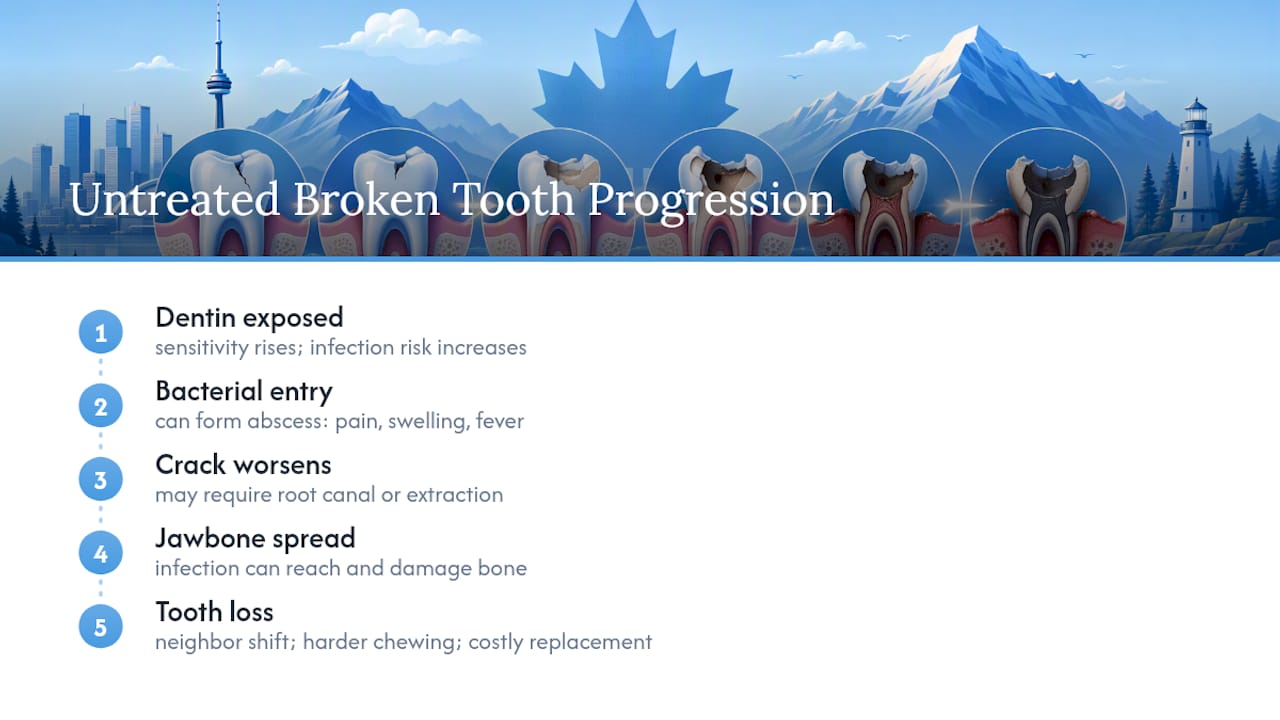
A broken tooth doesn’t heal itself, and waiting rarely makes the fix simpler. Once dentin is exposed, sensitivity and infection risk climb quickly, and sealing the area within hours rather than days lowers the odds that bacteria reach the pulp underneath. Even a fracture that looks minor should get checked promptly for that reason.
Left alone, a cracked or chipped tooth becomes an easy entry point for bacteria. That can progress to a dental abscess, a pocket of infection that causes throbbing pain, facial swelling, and sometimes fever. Untreated dental infections and injuries can escalate fast, and a meaningful share of emergency room visits for dental problems trace back to infections that earlier dental care could have headed off.
Beyond infection, an unaddressed fracture puts uneven pressure on the tooth every time you bite down, which can cause the crack to spread deeper or split the tooth entirely. At that point, a problem that might have been a simple filling turns into a root canal or extraction. In more advanced cases, infection can spread into the surrounding jawbone, threatening the bone structure that supports neighboring teeth too.
Losing the tooth altogether is the most serious outcome, and it carries its own ripple effects. Neighboring teeth can shift out of position, chewing gets harder on that side of the mouth, and replacing a missing tooth down the line costs more, in time and money, than treating the original fracture would have.
Protecting Your Tooth After Treatment
Once your emergency visit is done, the goal shifts to making sure the repair actually holds. A few habits go a long way here.
Avoid chewing directly on the treated tooth for the first few days, especially with hard foods like nuts, ice, or crusty bread. Freshly placed composite bonding and even permanent crowns need time to fully set and integrate with the surrounding tooth structure. If you grind your teeth at night, ask your dentist about a nightguard. Grinding puts repeated stress exactly where a repaired tooth is weakest.
Keep up with brushing twice a day and flossing daily around the repaired area, since a restoration doesn’t make that tooth immune to decay. If you play contact sports, a properly fitted mouthguard is one of the more effective ways to prevent a repeat injury to the same tooth or the ones next to it.
Watch for any lingering sensitivity to hot or cold that doesn’t fade after a couple of weeks, or new pain when you bite down. Either one can signal that the restoration needs adjustment or that the pulp took more damage than initially visible on X-ray. Booking a follow-up visit, even when things feel fine, lets your dentist confirm the tooth is healing the way it should rather than assuming silence means success.
Why Timely Dental Care Changes the Outcome
Delay is the single biggest factor that turns a manageable fracture into a root canal, or a root canal into an extraction. Every day a cracked tooth goes unchecked gives bacteria more time to reach the pulp, and costs tend to climb right alongside that risk. Call the dental office first. Most practices, including ours, triage emergency calls quickly and can tell you within minutes whether you need to come in today or can safely wait.
— Mersal
Get Immediate Help From Mersaldental
Some downtown dental practices reserve time for same-day emergencies and bill insurance directly to reduce upfront costs for patients.

Here’s what to do right now:
Call our office or use online booking to request an emergency slot.
Have ready: photo ID, your insurance card or CDCP details, and any tooth fragments stored in milk or saliva.
Head in as soon as you can. The sooner we see the tooth, the more options we usually have.
We handle everything from extractions when a tooth can’t be saved to crown replacements when a fracture needs full coverage, and we accept CDCP alongside standard insurance billing. If you’re not sure what your plan covers, our CDCP and IFHP program page breaks down what’s included. Call now or head to our homepage to book, and let’s get that tooth looked at today.
Sources
This article is general information, not a substitute for advice from a qualified doctor. Consult a qualified healthcare professional about your own circumstances before acting on anything here.
FAQ
Will the ER Do Anything for a Broken Tooth?
Emergency rooms can control severe bleeding, treat facial trauma, and prescribe pain medication or antibiotics, but they generally can’t perform the actual dental repair. You’ll still need a follow-up dental visit for the restoration itself.
How Urgent Is a Broken Tooth?
It depends on severity. A minor chip can typically wait for a next-day appointment, but pulp exposure, a loose tooth, or a fully knocked-out permanent tooth needs same-day care, since replantation odds are highest within the first 30 minutes.
What Should I Do if Half My Tooth Broke Off?
Rinse your mouth, control any bleeding with gauze, save the broken piece in milk or saliva, and call your dentist immediately since a larger fracture often means dentin or pulp exposure that needs prompt sealing.
Can I Leave a Broken Tooth for a Week?
It’s not advisable. Exposed dentin or pulp lets bacteria in quickly, raising the risk of infection and turning a simple restoration into a root canal or extraction the longer it sits untreated.
Recommended
Comments