Deep Cleaning Teeth: What You Need to Know
- Mayde Mersal
- Aug 14
- 11 min read

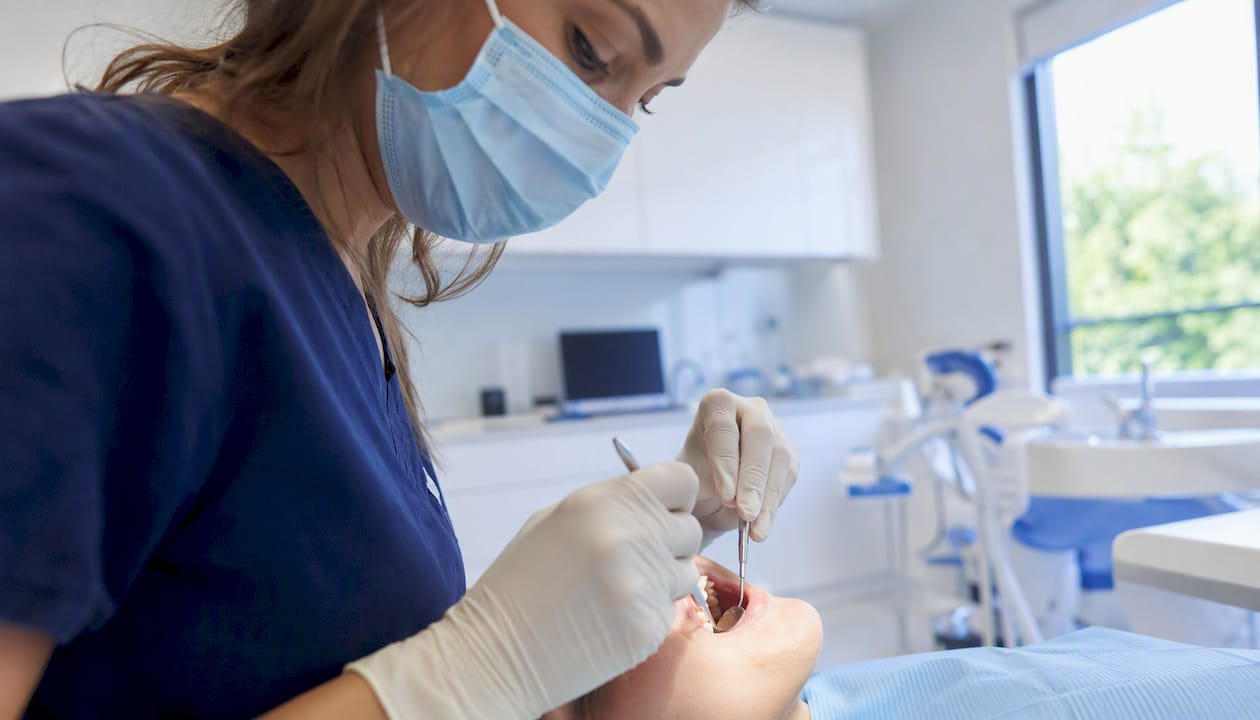
A deep cleaning — clinically called scaling and root planing (SRP) — is a nonsurgical therapeutic procedure that removes plaque, bacteria, and hardened tartar from below the gumline and along tooth root surfaces. It is typically recommended when periodontal pockets measure 4 mm or deeper, a threshold that signals active gum disease a routine cleaning cannot address. If you have been told your pockets are deep, or if your gums bleed regularly, the right next step is a periodontal evaluation.
Here is what that looks like in practice:
Schedule a periodontal evaluation and ask your dental provider to share your probing measurements.
Request a written estimate that breaks down cost by quadrant and clarifies what your insurance covers.
If SRP is recommended, arrange for periodontal maintenance appointments afterward — not routine six-month cleanings.
Key Takeaways
Scaling and root planing is the standard nonsurgical treatment for periodontal disease and is indicated when pocket depths reach 4 mm or more — skipping or delaying it allows bone loss to progress.
Point | Details |
4 mm is the threshold | Pockets of 4 mm or deeper signal active disease that a routine cleaning cannot treat. |
SRP has two steps | Scaling removes deposits; root planing smooths root surfaces so gum tissue can reattach. |
Maintenance is required | After SRP, periodontal maintenance every 3–4 months keeps disease from returning. |
Cost is billed per quadrant | Request a written estimate and confirm pre-authorization requirements with your insurer before the appointment. |
Mersaldental accepts CDCP/IFHP | Ottawa patients can book a periodontal assessment with direct billing and public-program coverage where eligible. |
Table of Contents
How does a deep cleaning differ from a regular dental cleaning?
The core difference is purpose. A regular cleaning — called prophylaxis, or “prophy” — is a preventive procedure for patients with healthy gums. Scaling and root planing is a therapeutic procedure for patients with active periodontal disease. They are not interchangeable, and one cannot substitute for the other when disease is present.
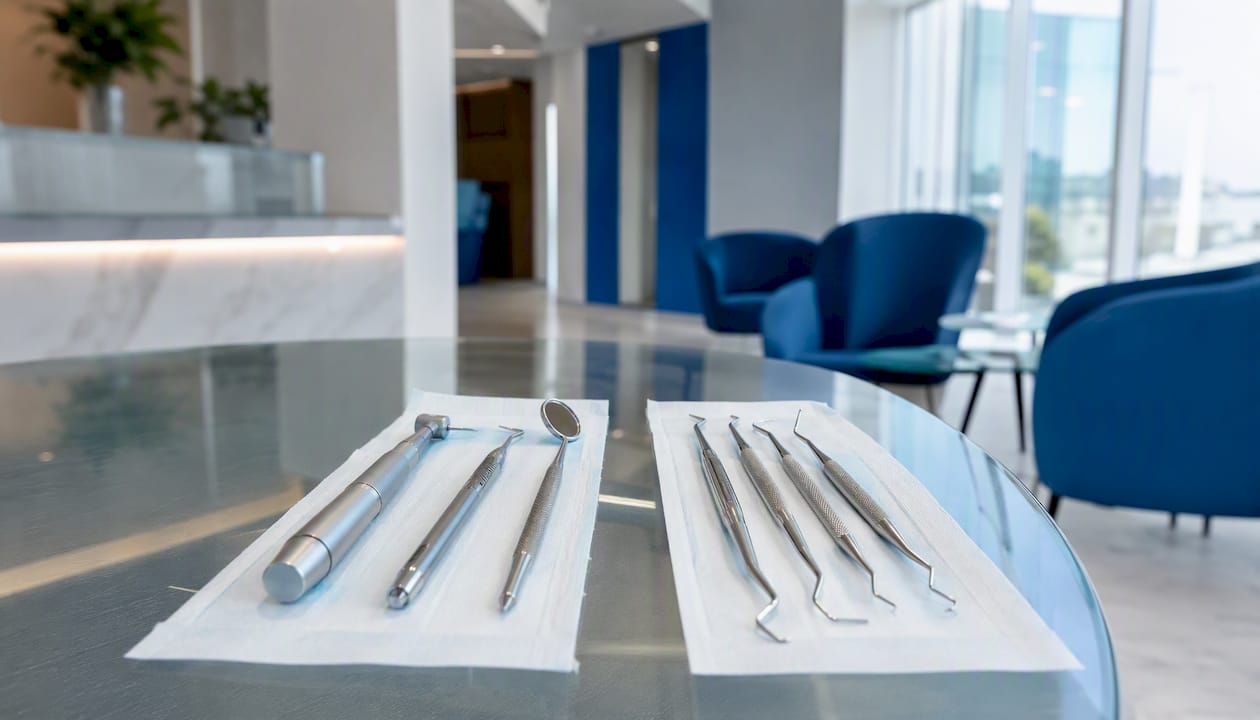
A prophy cleans above and just at the gumline, removing soft plaque and light tartar from surfaces your toothbrush misses. SRP goes deeper: it clears calculus and bacteria from inside periodontal pockets and then smooths the root surface so the gum tissue can reattach. According to clinical comparisons of prophylaxis and SRP, the two procedures also differ in anesthesia use, appointment length, and how often follow-up care is needed.
Signs that separate the two clinically:
Pocket depths of 4 mm or more on probing
Visible bleeding on probing (a reliable sign of active inflammation)
Radiographic bone loss
Gum recession or loose teeth
Persistent bad breath despite good home care
Feature | Regular Cleaning (Prophy) | Deep Cleaning (SRP) |
Goal | Prevention | Treatment of active disease |
Where it cleans | Above the gumline | Below the gumline and root surfaces |
Anesthesia | Rarely needed | Usually required |
Appointment length | 45–60 minutes | 60–90 minutes per visit |
Follow-up frequency | Every 6 months | Every 3–4 months (periodontal maintenance) |
What happens step by step during a deep cleaning procedure?
SRP has two core steps: scaling first, then root planing. Scaling removes the deposits; root planing smooths the root surface so bacteria have less to grip. Most patients need two or more visits, with a reassessment around 4–6 weeks after treatment to measure whether pocket depths have improved.
Here is what a typical appointment involves:
Exam and probing — Your provider measures pocket depths, reviews X-rays, and confirms which areas need treatment.
Local anesthesia — Numbing is applied to the area being treated so you stay comfortable throughout.
Ultrasonic scaling — An ultrasonic scaler uses vibration and water to break up and flush away heavy calculus deposits.
Hand instrument scaling — Curettes and scalers refine the work in tighter spaces and along root contours where ultrasonic tips cannot reach as precisely.
Root planing — The root surface is smoothed to remove residual bacteria and create a clean surface for gum reattachment.
Adjunct therapy (if indicated) — Some providers place a local antibiotic or antimicrobial agent directly into the pocket after SRP to reduce bacterial load further.
Clinicians typically split treatment by quadrant (one quarter of the mouth) or by half-mouth, depending on severity and how well you tolerate longer appointments. Each visit runs roughly 60–90 minutes. Ultrasonic scalers handle bulk removal efficiently; hand curettes give the clinician tactile feedback for detailed root work. Most appointments use both.
Pro Tip: Bring your full medication list to the appointment — some medications affect bleeding, healing, or anesthesia response. If you feel anxious, mention it before the appointment starts; sedation options are available at many clinics and can make the experience much more comfortable.
Who actually needs a deep cleaning?
The diagnostic threshold is straightforward: periodontal pockets measuring 1–3 mm are healthy; pockets of 4 mm or more indicate that bacteria and calculus have moved below the gumline where a routine cleaning cannot reach them. Your dentist or hygienist measures these depths using a thin probe at six points around each tooth — a process called periodontal probing.
Beyond pocket depth, other clinical signs point toward SRP:
Gums that bleed when you brush, floss, or are probed
Persistent bad breath that does not resolve with brushing
Gum recession (teeth appearing longer than they used to)
Teeth that feel loose or have shifted position
Radiographic evidence of bone loss around tooth roots
A diagnosis of gingivitis that has progressed despite treatment
Pocket depth reference: Healthy gums probe at 1–3 mm. Pockets of 4 mm or more typically require SRP to clear subgingival bacteria and calculus.
If you are preparing for an evaluation, write down any symptoms you have noticed — bleeding frequency, sensitivity, bad breath, or changes in how your teeth fit together. That information helps your provider prioritize which areas to probe first and whether X-rays are needed. Untreated periodontal pockets allow infection to progress to bone loss and, eventually, tooth loss — which is why the evaluation itself matters as much as the treatment.
What are the benefits of deep cleaning, and what are the risks?
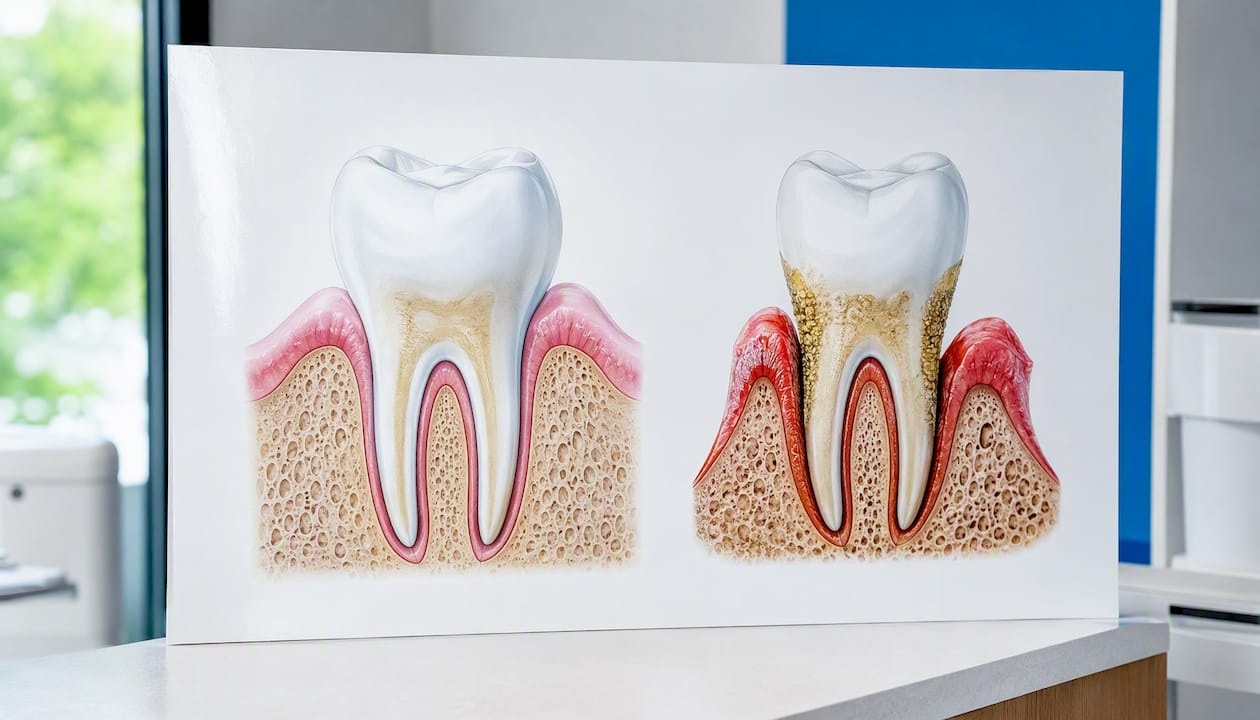
The primary benefit is disease control. SRP reduces the bacterial load inside periodontal pockets and creates conditions where gum tissue can reattach to the root surface, slowing or halting the progression of periodontitis. As Perio, SRP is the standard nonsurgical first-line therapy for mild to moderate periodontitis and, when combined with consistent home care and maintenance, can meaningfully reduce pocket depth.
Benefits:
Stops or slows the progression of active gum disease
Reduces pocket depth over time, confirmed at the 4–6 week reassessment
Lowers the risk of tooth loss from untreated bone destruction
Reduces halitosis caused by subgingival bacteria
May reduce systemic inflammation linked to periodontal disease
Possible risks and side effects:
Tooth sensitivity to temperature (usually temporary, lasting days to a few weeks)
Soreness and light bleeding in the treated area for 24–48 hours
A temporary feeling that teeth are slightly loose (normal as gum tissue adjusts)
Minor gum recession as swollen tissue returns to a healthy, tighter position
Rare risk of infection in the treated area
Pro Tip: For sensitivity after SRP, a prescription-strength fluoride toothpaste or an over-the-counter desensitizing toothpaste (look for potassium nitrate or stannous fluoride) used twice daily can reduce discomfort within a week. Warm salt rinses — half a teaspoon of salt in a glass of warm water — also help calm inflamed tissue in the first 48 hours.
Untreated periodontal disease affects more than your gums. It can compromise the bone that supports teeth and, later, the bone needed for restorations like implants. SRP is not a cosmetic choice — it is a medical intervention that protects the foundation your teeth sit in.
What should you expect after a deep cleaning?
Most patients return to normal activity the same day. Mild soreness and sensitivity are the most common experiences, and local anesthesia wears off within a few hours of the appointment. The gum tissue typically settles within a week.
Recovery timeline:
Immediately after / first 24–48 hours: Mild soreness, light bleeding, and sensitivity to hot and cold. Avoid hard, crunchy, or very hot foods. Use a soft-bristled toothbrush gently.
Days 3–7: Soreness fades. Resume normal brushing and flossing carefully. Continue warm salt rinses if the area still feels tender.
Weeks 1–4: Sensitivity decreases. Gum tissue begins to firm up and reattach to root surfaces.
4–6 weeks post-treatment: Return for a reassessment appointment. Your provider re-probes the treated areas to measure pocket depth improvement and decides whether additional treatment is needed.
Home care after SRP:
Brush gently with a soft-bristled brush twice daily — do not skip the treated area.
Resume flossing within 24–48 hours, gently, to keep the pockets clear.
Use warm salt rinses two to three times daily for the first week.
Avoid smoking, which slows healing and reduces the effectiveness of SRP.
Use a desensitizing toothpaste if sensitivity persists beyond the first week.
After the reassessment, most patients move to periodontal maintenance visits every 3–4 months rather than the standard six-month schedule. This is not optional maintenance — it is the follow-up protocol that keeps the disease from returning. SRP manages chronic periodontitis; it does not permanently cure it.
Maintenance note: Periodontal maintenance every 3–4 months is the standard post-SRP schedule because the bacteria that cause periodontitis can recolonize pockets within that window.
How much does a deep cleaning cost in Canada?
Cost varies based on how many quadrants need treatment, whether adjunct therapies like local antibiotics are used, and whether the procedure is performed by a dental hygienist or a periodontist. SRP is typically billed by sections of the mouth, so a full-mouth treatment costs more than a two-quadrant case. Ask your clinic for a written estimate before the appointment — a good clinic will provide one without hesitation.
Factors that affect your total cost:
Number of quadrants treated (one to four)
Use of local antimicrobial agents placed in the pocket
Clinician type (general hygienist vs. specialist periodontist)
Sedation, if requested
Frequency of follow-up maintenance visits
Canadian coverage options:
Most private dental insurance plans in Canada cover SRP as a periodontal benefit, though coverage percentages, annual maximums, and pre-authorization requirements vary by plan. Some plans require a pre-authorization or a periodontal chart before approving the claim. Mersaldental offers direct insurance billing and accepts the Canadian Dental Care Plan (CDCP) and the Interim Federal Health Program (IFHP), which can significantly reduce out-of-pocket costs for eligible patients.
Questions to ask your insurer before the appointment:
What percentage of SRP is covered under my plan?
Is pre-authorization required, and how do I submit it?
What is my annual maximum for periodontal benefits?
How often will the plan cover SRP (frequency limitations)?
Is the follow-up reassessment visit covered separately?
When should you call your dentist after SRP?
Mild soreness and light bleeding for the first 24–48 hours are normal. Contact your dental office if symptoms go beyond that range.
Non-urgent concerns (call during office hours):
Soreness that persists beyond a week without improving
Sensitivity that does not respond to desensitizing toothpaste after two weeks
Light bleeding that continues past 48 hours
Questions about your medications or home care routine
Urgent signs — contact your clinic promptly or seek emergency care:
Bleeding that is heavy or does not stop with gentle pressure
Severe pain not controlled by over-the-counter pain relievers
Fever above 38°C (100.4°F)
Swelling that is spreading, or that makes it difficult to swallow or breathe
Visible pus or signs of spreading infection
For anything in the urgent category, do not wait for a scheduled follow-up. Call the clinic directly. If swelling is affecting your airway or you have a high fever with spreading swelling, go to an emergency department. For non-urgent concerns, your dental team can usually advise you by phone and determine whether you need to come in sooner than planned. Mersaldental offers same-day and emergency services for situations that cannot wait.
How to prepare for your deep cleaning appointment
Bring your medication list, insurance information, and any recent X-rays from another provider if you have them. That combination lets your dental team confirm your treatment plan, check for drug interactions, and avoid repeating imaging unnecessarily.
Pre-appointment checklist:
Confirm the appointment length (typically 60–90 minutes per visit) and whether you need multiple visits.
Ask whether local anesthesia will be used and what your options are if you prefer additional comfort measures.
If sedation is offered and you choose it, arrange for someone to drive you home.
Eat a light meal beforehand — you may be numb for a few hours after the appointment.
Bring your insurance card and ask the front desk about direct billing before the appointment starts.
Questions to bring to the appointment:
How many visits will I need, and which quadrants are being treated first?
What is the per-quadrant fee, and what does my insurance cover?
Will you place a local antibiotic in the pockets, and what are the side effects?
What happens if my pockets do not improve after SRP — is surgery a possibility?
What will my maintenance schedule look like after treatment?
How do I manage sensitivity between visits?
If dental anxiety is a concern, say so before the appointment. Many clinics, including those offering periodontal care, can adjust the pace of treatment, offer breaks, or discuss sedation options. You can also review what to expect at a cleaning appointment to feel more prepared before you arrive.
Our perspective on recommending SRP
SRP is not a procedure we recommend lightly, and it is not one we recommend routinely. When we see periodontal pockets at 4 mm or deeper with bleeding on probing and radiographic bone loss, SRP is the clinically appropriate response — not a more aggressive cleaning, and not a “wait and see” approach. Untreated, those pockets deepen, bone resorbs, and teeth that could have been saved are eventually lost.
What we observe in practice is consistent with what the evidence shows: patients who complete SRP and commit to a 3–4 month maintenance schedule see measurable pocket reduction at reassessment. The bleeding stops. The gum tissue firms up. The teeth feel stable again. That outcome is not guaranteed for every patient — systemic factors like smoking and uncontrolled diabetes affect healing — but the trajectory is almost always better than no treatment.
We also recognize that cost and insurance coverage are real concerns. That is why Mersaldental offers direct insurance billing, accepts the CDCP and IFHP for eligible patients, and provides written estimates before any treatment begins. Our hygiene appointments are structured to include thorough probing and documentation so that if SRP is indicated, you leave with a clear picture of why, what it involves, and what it will cost.
The one thing we would caution against: delaying evaluation because the gums do not hurt. Periodontal disease is largely painless until it is advanced. By the time teeth feel loose or look longer, significant bone loss has already occurred. A probing appointment is the only way to know where you stand.
Periodontal care at Mersaldental in Ottawa
Mersaldental provides periodontal assessments and scaling and root planing in-office at our lower town Ottawa location. We accept new patients, offer direct insurance billing, and accept both the Canadian Dental Care Plan (CDCP) and the Interim Federal Health Program (IFHP) for eligible patients — which means many Ottawa residents pay significantly less out of pocket than they expect.
What to bring and what to expect:
Bring your insurance card, medication list, and any recent dental X-rays.
Your first visit includes periodontal probing, X-rays if needed, and a written treatment estimate.
SRP appointments run 60–90 minutes per visit; most full-mouth cases require two visits.
Same-day and emergency bookings are available when your situation cannot wait.
Ready to find out whether SRP is right for you? Book a periodontal assessment through our services page or call our Ottawa office directly. We will walk you through your probing measurements, explain your options clearly, and handle the insurance paperwork so you can focus on getting your gums healthy.
Sources
This article is general information, not a substitute for advice from a qualified doctor. Consult a qualified healthcare professional about your own circumstances before acting on anything here.
Recommended
Comments