When to Schedule Your Child's First Dental Visit
- Mayde Mersal
- 7 hours ago
- 7 min read

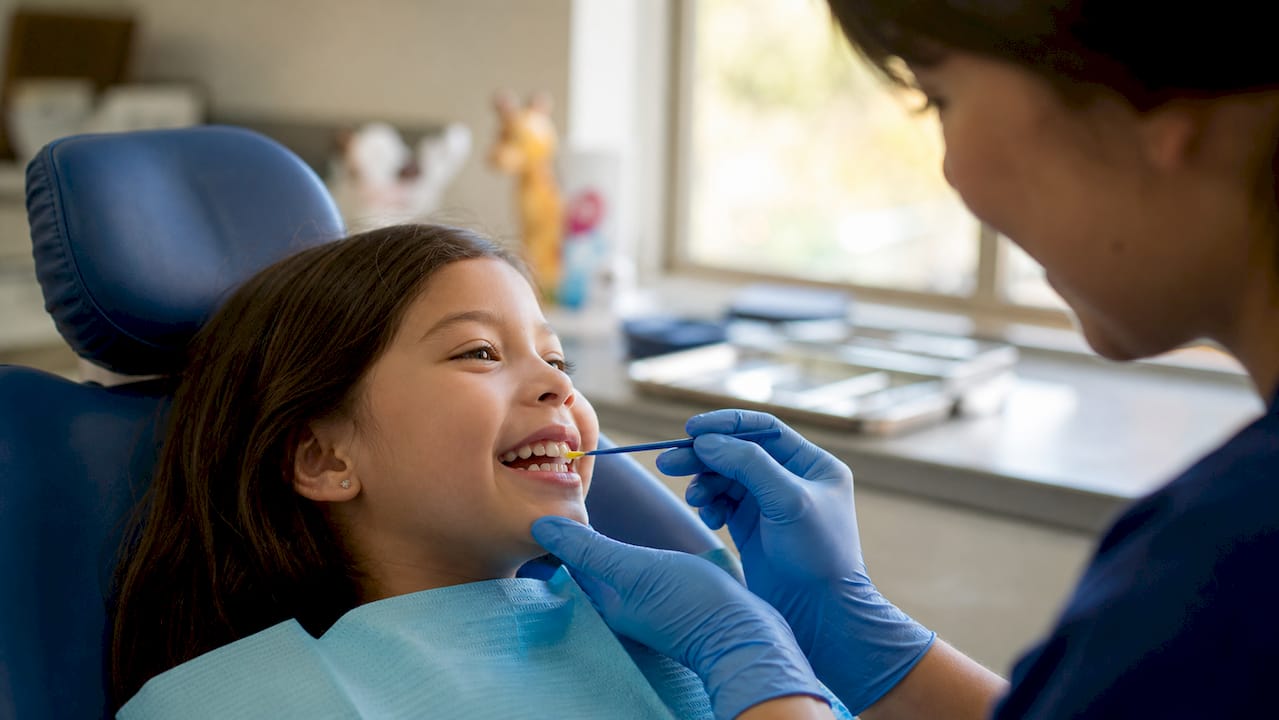
Take your child to see a dentist within six months of their first tooth coming in, or by their first birthday, whichever comes first. That single guideline drives everything else in this article.
The Canadian Dental Association recommends this timing, and the American Academy of Pediatric Dentistry sets the same benchmark in its periodicity guideline. Both organizations frame the visit as preventive, not reactive. The goal is to catch small problems while they’re still small and to give you, the caregiver, a clear plan for home care.
Recommended window: within 6 months of the first tooth or by 12 months of age
Why it matters: early exams catch feeding and hygiene issues before they turn into cavities
What it establishes: a “dental home,” a consistent provider who tracks your child’s growth over time
Pro Tip: If your child hasn’t gotten a first tooth by their first birthday, book the visit anyway. The exam covers gum health, feeding habits, and jaw development, not just teeth.
Key Takeaways
The first dental visit should happen within six months of the first tooth or by age one, and it centers on prevention, not treatment.
Point | Details |
Timing guideline | Book the first visit within 6 months of the first tooth or by the child’s first birthday. |
Appointment length | Expect a 30 to 45 minute visit focused on exam and caregiver education, rarely including X-rays. |
Follow-up schedule | Most kids return every six months; higher-risk children may need visits every 3 to 4 months. |
Watch for urgent signs | Visible decay, pain, swelling, or trauma mean calling the dentist immediately, not waiting for the next checkup. |
Where to book | Mersaldental accepts new patients, bills insurance directly, and takes CDCP for first visits and ongoing care. |
This article is general information, not a substitute for advice from a qualified doctor. Consult a qualified healthcare professional about your own circumstances before acting on anything here.
Table of Contents
What Happens During Your Child’s First Dental Appointment
Nothing about this visit resembles a typical adult cleaning. It’s built around observation and conversation more than treatment.
Here’s what a first visit generally includes:
A visual exam. The dentist checks tooth eruption, gum and tissue health, and how the jaw and bite are developing.
A caries-risk assessment. This looks at your child’s diet, fluoride exposure, and hygiene routine to flag any early risk factors.
Caregiver education. Expect a conversation about bottle habits, pacifier use, and how to brush properly, since this piece of the visit is often the most valuable part for parents.
A gentle cleaning or brushing demo, if your child is comfortable enough to tolerate it.
X-rays, rarely. Imaging isn’t standard at this age. One dataset found extraoral images were essentially never taken in children under age 2, since dentists reserve X-rays for specific concerns like suspected decay between teeth.
Plan for the appointment to run 30 to 45 minutes, start to finish. You’ll stay in the room the entire time, and for infants, you’ll likely hold your child on your lap during the exam rather than handing them off to a dental chair.
Why an Early Dental Visit Actually Matters
Skipping the first-year visit doesn’t just delay a checkup. It changes the trajectory of your child’s oral health.
Guideline evidence from the AAPD links early dental homes to fewer and less complex procedures down the road. Kids who start seeing a dentist before their first birthday tend to need less intervention later, because problems get flagged and corrected while they’re minor.
Anticipatory guidance covers feeding practices before poor habits set in, not after.
Fluoride advice gets tailored to your child’s actual risk level, not a generic rule.
Developmental monitoring tracks eruption patterns and bite alignment, so the dentist can refer you to an orthodontic specialist early if something looks off.
The first visit is designed to educate caregivers on feeding practices, pacifier and thumb-sucking habits, and proper oral hygiene, all aimed at preventing early childhood caries before it starts.
That’s the real value of going early. You’re not just checking a box, you’re getting a personalized playbook for the next few years.
How to Prepare Your Child for the First Dental Visit
A little planning goes a long way toward a calm appointment.
Book the visit for morning hours whenever possible. Kids tend to be more cooperative before nap time and before hunger sets in, a detail confirmed by the American Dental Association’s guidance on early childhood visits.

Watch your language leading up to the appointment. Avoid words like “hurt” or “pain,” even in passing, since parents often introduce fear unintentionally by warning kids about discomfort that isn’t coming. For toddlers, reading a picture book about visiting the dentist or play-acting the exam at home builds familiarity instead of dread.
What to bring:
Feeding items (bottle, sippy cup, or snack) in case your child gets fussy
A comfort toy or blanket
A list of medications and relevant health history
Previous dental records, if your child has seen another provider
Pro Tip: For infants, a lap exam, where you hold your child facing the dentist, keeps them calmer than any dental chair could. For toddlers, a quick snack and a familiar toy right before the appointment noticeably improve cooperation.
How Often Should Your Child See the Dentist After That?
Most children return every six months after the first visit. That interval isn’t arbitrary. It gives the dentist enough time to track growth changes while catching cavities before they progress.
Kids with higher caries risk, from frequent snacking, limited fluoride exposure, or a family history of decay, often need more frequent visits. That might mean:
Recall appointments every three to four months instead of six
Earlier application of dental sealants on molars once they erupt
More frequent topical fluoride treatments
Your dentist decides the right interval based on the caries-risk assessment done at each visit, not a one-size-fits-all calendar. If your child’s risk profile changes, so should the schedule.
Signs Your Child Needs to See a Dentist Sooner
Don’t wait for the next scheduled cleaning if you notice any of the following. These warrant a call to your dentist’s office right away, not a “let’s watch it” approach.
Visible decay, discoloration, or dark spots on any tooth
Complaints of tooth pain, swelling, or bleeding gums
Any oral trauma, including a knocked-out or chipped tooth from a fall
Feeding difficulty tied to mouth pain, or prolonged bottle use paired with visible tooth decay
Fever or signs of infection around the mouth or jaw
If you see any of these, contact your dentist’s office directly or seek emergency dental care. Waiting rarely improves the outcome, and infections in particular can progress fast in young children.
Why This Guidance Comes From a Trusted Dental Practice
Mersaldental is a full-service family dental office in downtown Ottawa, and we see first-time toddler patients regularly. We accept new patients, bill most insurance plans directly, and participate in the Canadian Dental Care Plan, so cost doesn’t have to be the reason a family delays that first visit.
We also offer same-day and emergency treatment, which matters if your child shows any of the urgent signs above and you can’t wait for a routine slot.
Getting a child comfortable in a dental chair takes patience and the right approach. That’s exactly what a first-visit exam, done well, is supposed to build.
For a closer look at what a routine visit involves once your child is past the first appointment, our guide on hygiene appointments walks through booking and what to expect.
Common Myths About Early Dental Visits, Corrected
A lot of parents delay that first appointment because of bad information, not bad intentions. Here’s where the confusion usually comes from.
“Baby teeth don’t matter since they fall out anyway.” Baby teeth hold space for adult teeth and guide proper jaw development. Untreated decay in a baby tooth can affect the permanent tooth growing beneath it.
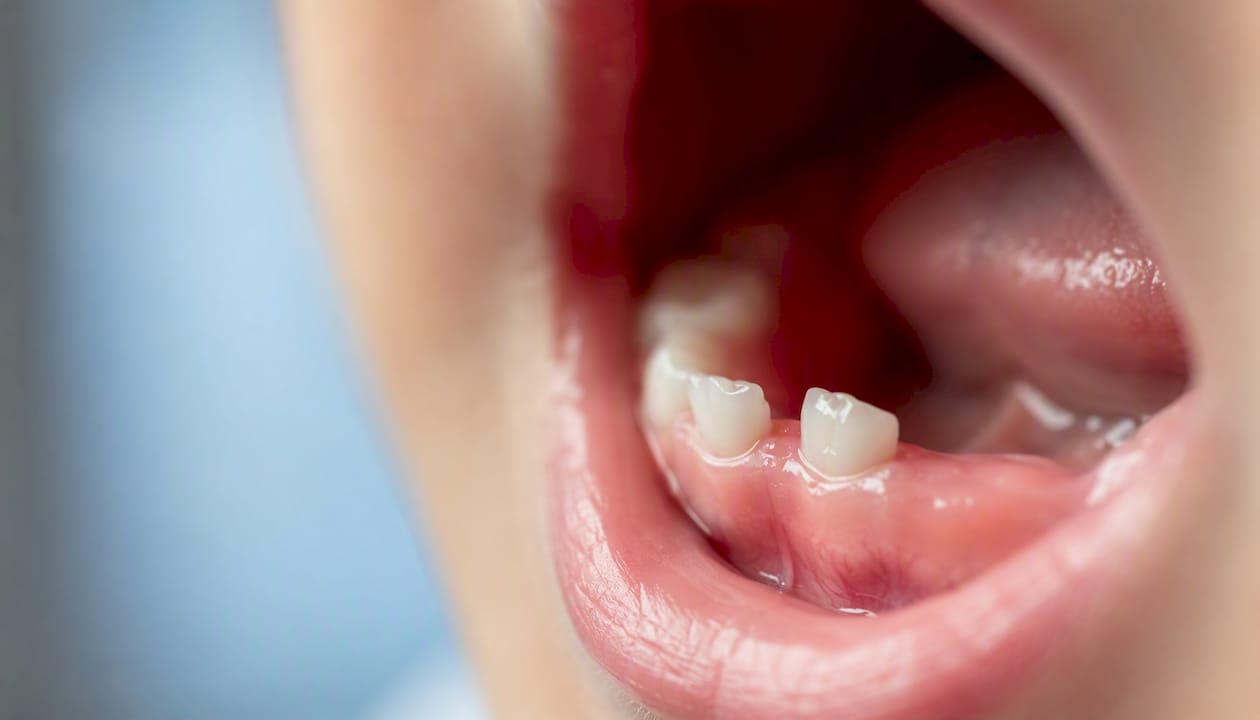
“There’s nothing to check before a child has many teeth.” Even a single tooth, or none yet, gives a dentist useful information about gum health, jaw alignment, and feeding-related risk factors.
“The first visit will involve X-rays and drilling.” It almost never does. As covered earlier, X-rays are uncommon before age 2, and most first visits involve nothing more invasive than a visual exam and a light cleaning.
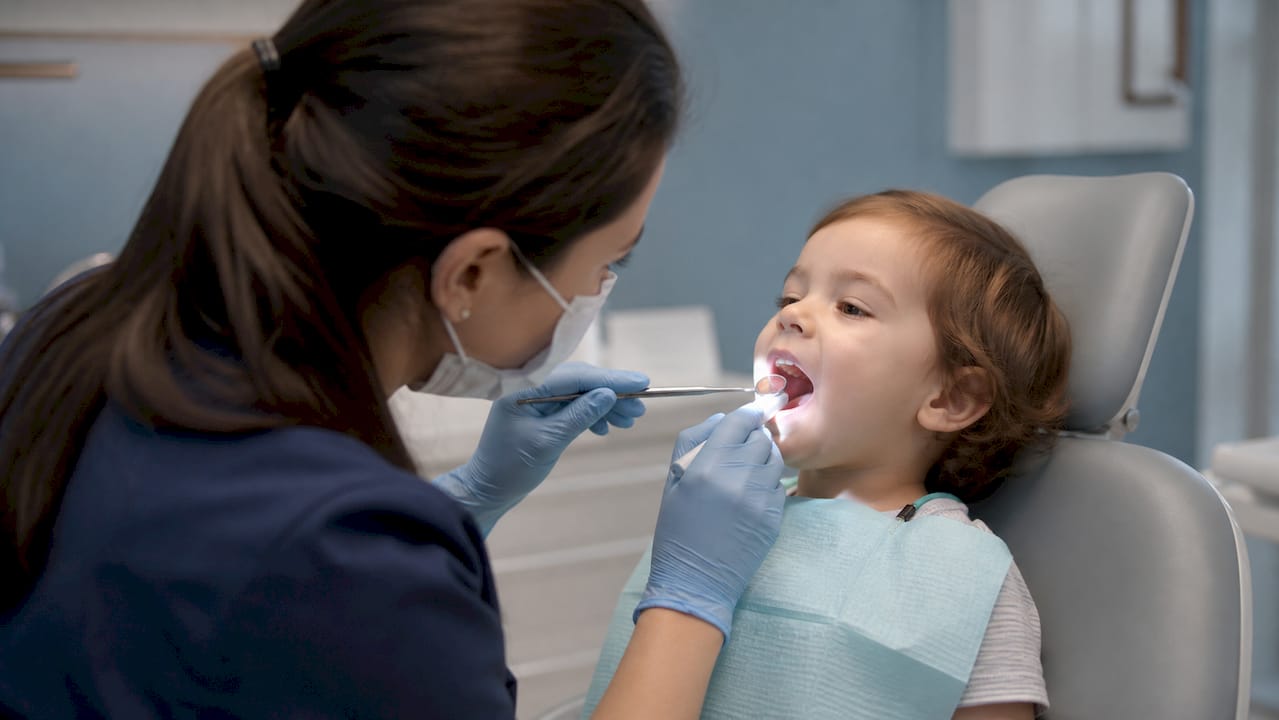
“Waiting until age 2 or 3 is fine if there’s no visible problem.” Decay doesn’t always show visible signs early on. Waiting means missing the window where anticipatory guidance, on feeding, pacifier habits, and brushing, does the most good. By the time a problem is visible, prevention has already failed.
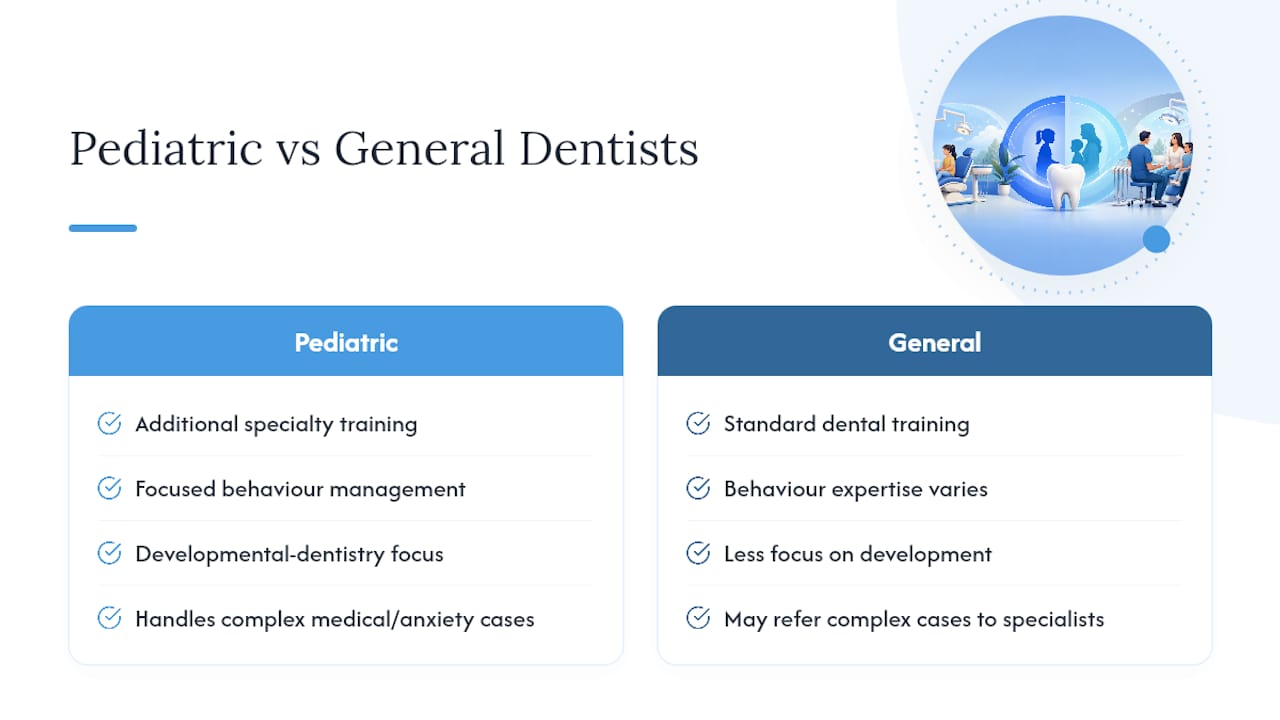
“Pediatric dentists and general dentists offer the same thing for kids.” Pediatric dentists complete additional training focused on child behavior management and developmental dentistry. A general family dentist experienced with young patients, like Mersaldental, can absolutely handle first visits and routine care. Consider a pediatric specialist referral for children with complex medical needs, significant anxiety, or extensive treatment requirements.
A Note From Our Dental Team
We know that first appointment feels like a bigger deal to parents than it does to the child. Most kids do just fine. Our job is to make it calm, quick, and genuinely useful for you as a caregiver. If you’re not sure when to book or what to expect, call our office. We’d rather answer a scheduling question now than have you delay a visit your child needs.
— Mersal
Booking Your Child’s First Visit With Mersaldental
Mersaldental gives Ottawa families a straightforward path to that first appointment, without the runaround of finding a provider who takes your insurance or your child’s age group.

We handle direct insurance billing, accept the Canadian Dental Care Plan and Interim Federal Health Program, and welcome new patients of all ages, including infants coming in for their very first exam. If your child develops sudden pain, swelling, or trauma before their next scheduled visit, our same-day and emergency care options mean you’re not stuck waiting days for a slot. For routine visits, our hygiene appointments page covers what to expect and how hygiene checkups build on that first exam over time. Ready to get your child on the schedule? Visit our home page to book an appointment or ask our team any question about coverage before you commit to a date.
Sources
Recommended
Comments