Fluoride Treatment for Adults: Who Needs It and How Often

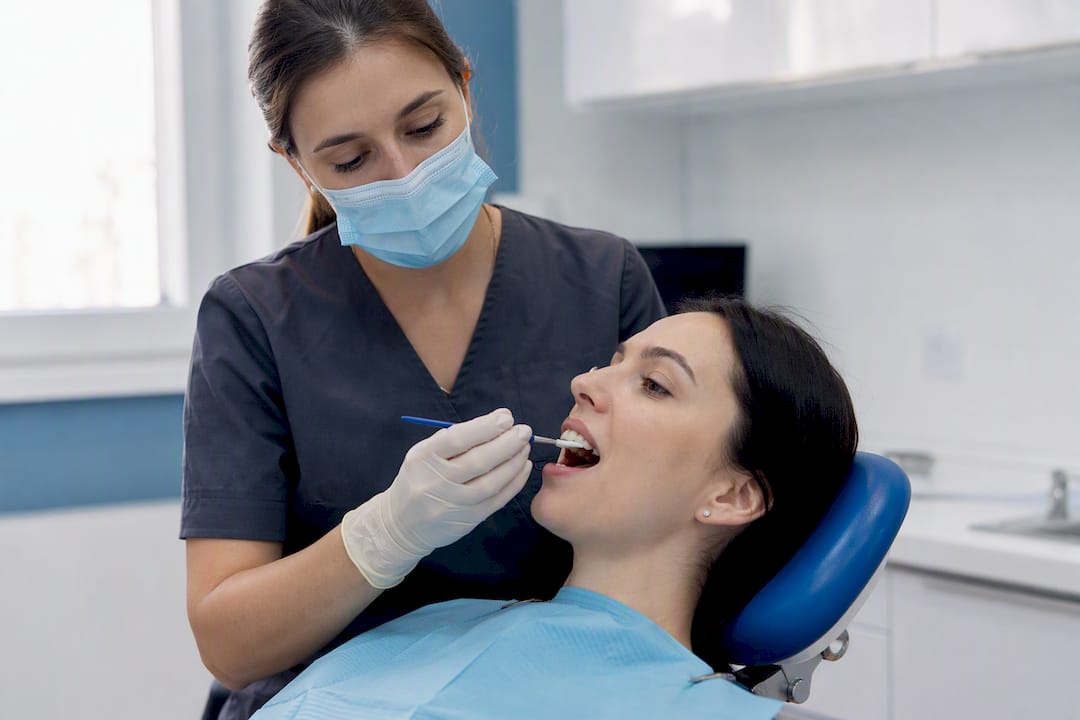
Most healthy adults with low cavity risk don’t need routine professional fluoride beyond fluoridated toothpaste and community water fluoridation. Adults with root caries, dry mouth, or recurrent decay are a different story: for them, professional fluoride is one of the more effective tools we have.
The adults who benefit most from a professional application include:
People with root caries, especially where gum recession has exposed the tooth root
Anyone with xerostomia (chronic dry mouth) from medications or conditions like Sjögren’s syndrome
Patients with a recent history of new cavities or multiple fillings in the past few years
People with crowns, bridges, or other restorations that create hard-to-clean margins
Adults with limited access to fluoridated tap water
Guideline snapshot: Clinical recommendations from a fluoride varnish evidence review support fluoride varnish for adults with root caries, applied every few months. That’s a narrower, more targeted recommendation than what most people assume “fluoride treatment” means.
Key Takeaways
Professional fluoride treatment benefits adults with specific risk factors, especially root caries and dry mouth, far more than it benefits low-risk adults with good home care.
Point | Details |
Not a blanket recommendation | Low-risk adults with fluoridated water and good hygiene see minimal added benefit from routine varnish. |
Root caries is the clearest indication | Guidelines specifically recommend 2.26% varnish every 3 to 6 months for adults with root caries. |
SDF trades staining for power | 38% silver diamine fluoride arrests active lesions but permanently darkens the treated area. |
Frequency scales with risk | Low-risk adults often go biannually; high-risk adults need reapplication every 3 to 6 months. |
Coverage varies by insurer | Many plans cover fluoride for children but not adults, so verify benefits before booking. |
Mersaldental bundles it with hygiene visits | Risk screening, fluoride application, and direct insurance billing happen in the same appointment. |
Table of Contents
Fluoride Treatment for Adults: The Main Types You’ll Encounter
Not all fluoride treatments are the same product delivered the same way. Dentists choose among several forms depending on whether the goal is preventing new decay, arresting an existing lesion, or calming sensitive teeth.
Fluoride varnish (2.26% NaF or 5% NaF) is the workhorse of adult fluoride therapy. It’s a sticky resin painted directly onto tooth surfaces, and it’s the agent named specifically in guideline recommendations for adults with root caries. Pros: fast application, minimal taste, sticks to the tooth for hours. Cons: temporary filmy feeling, and it doesn’t reverse a cavity that’s already cavitated.
1.23% APF gel (acidulated phosphate fluoride) is typically delivered in a tray the patient bites into for a few minutes. It’s effective for broad-surface prevention but less precise than varnish for targeting a single problem spot, and the tray delivery can trigger a gag reflex in some patients.
It’s easy and cheap, but the evidence supporting it as a standalone adult therapy is thinner than for varnish or SDF.
38% silver diamine fluoride (SDF) is arguably the most powerful tool on this list, and the most misunderstood. Clinical evidence on SDF and other topical agents shows it can arrest active root caries in older adults, essentially stopping a cavity from progressing without drilling. The catch: it permanently stains the treated area black. Dentists use it selectively, usually on lesions that are hard to restore conventionally or on patients who can’t tolerate a longer procedure.
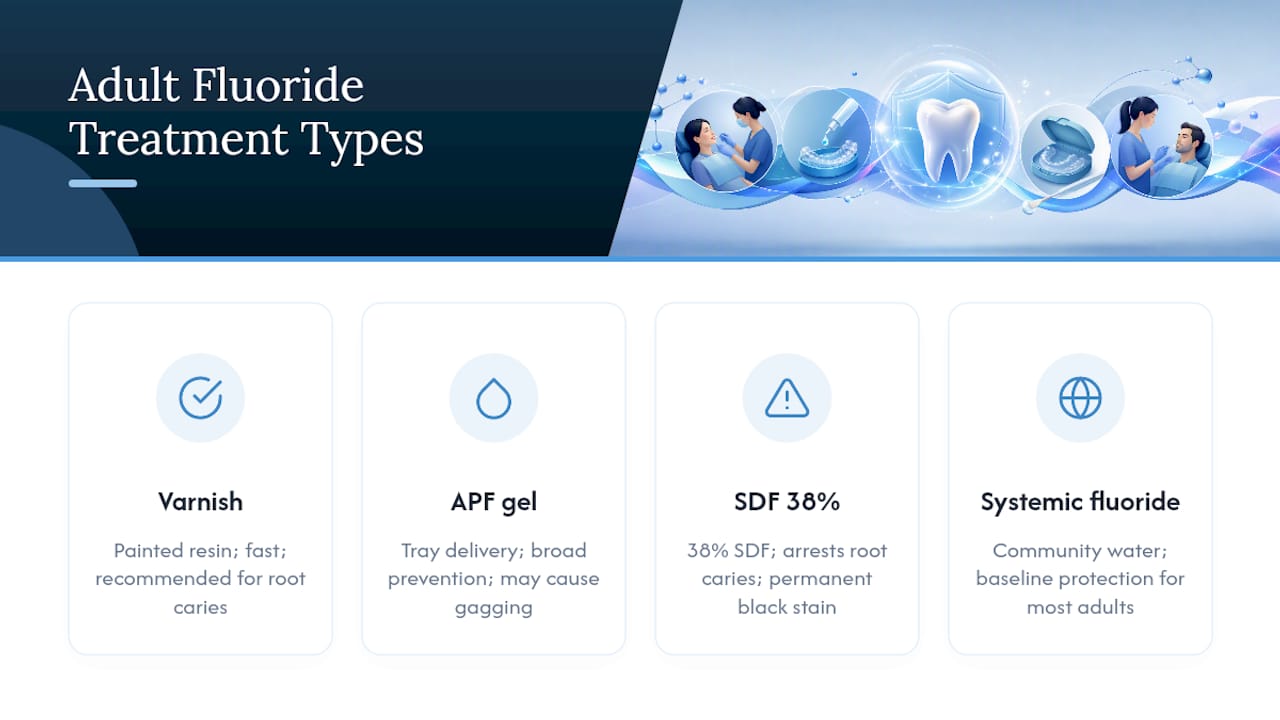
Systemic fluoride (fluoridated water, supplements) rounds out the picture. This isn’t something your dentist applies in the chair, but it’s the baseline layer of protection most adults already get, and it shapes whether an office visit adds meaningful benefit.
Pro Tip: If staining is a dealbreaker, ask specifically whether your lesion is a candidate for varnish instead of SDF. Not every root caries case needs the strongest agent. Sometimes the milder option is the right fit.
Manufacturer instructions for varnish typically call for reapplication every few months in higher-risk patients, though routine twice-yearly use appears in many practice protocols.
Who Actually Benefits From Professional Fluoride?
The honest answer is: not everyone, and that’s the point. Fluoride treatment for adults works best when it’s matched to a specific risk profile rather than applied as a blanket recommendation at every checkup.
Root caries sits at the top of the list. As gums recede with age, periodontal disease, or aggressive brushing, the exposed root surface lacks the protective enamel that covers the crown of the tooth. That root surface decays faster and more easily than enamel, which is exactly why clinical guidance on root caries and fluoride singles out 2.26% varnish, applied every three to six months, as a specific recommendation for this group.
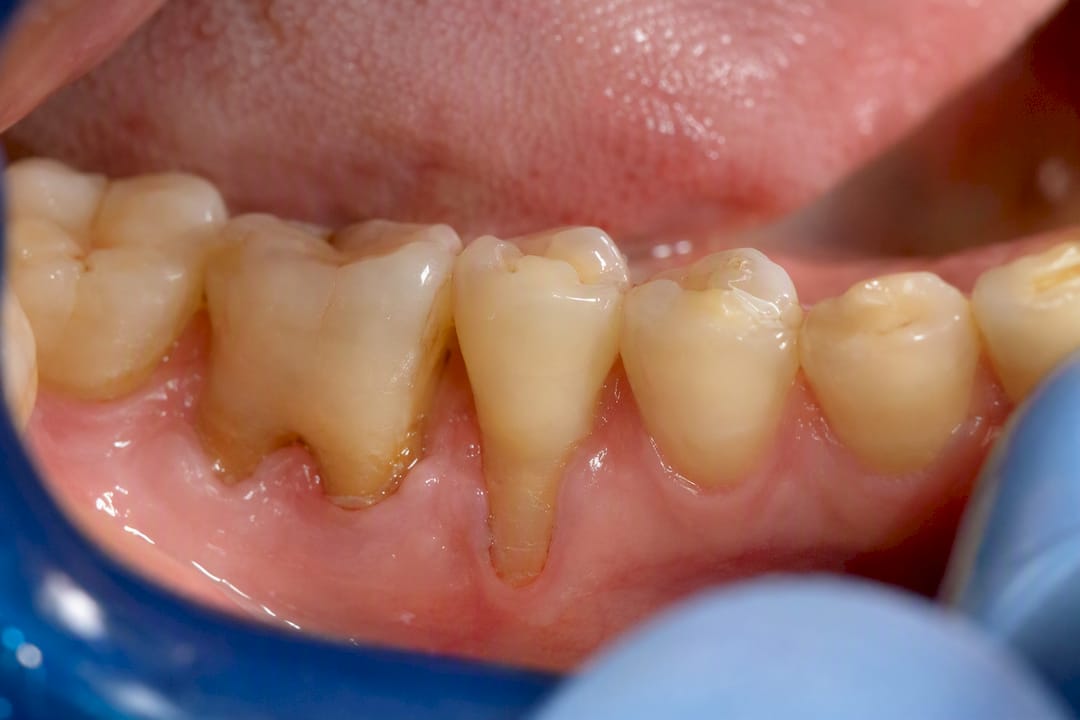
Dry mouth is the second major driver. Saliva does more than keep your mouth comfortable. It buffers acid, clears food debris, and delivers minerals that help remineralize enamel. Patients on blood pressure medications, antidepressants, antihistamines, or those undergoing radiation therapy often produce far less saliva, and that shift alone can turn a low-risk mouth into a high-risk one within a year or two. Reduced saliva flow is one of several documented risk factors that raise fluoride benefit, alongside gum disease and a history of recurrent decay.
A few other profiles worth naming:
Adults who’ve had three or more cavities in the last three years
Anyone with crowns, bridges, or fixed restorations that create tight margins where plaque hides
Patients with limited dexterity or cognitive barriers that make thorough brushing difficult
Anyone whose household relies on well water or bottled water without fluoride
Picture two 55-year-olds. One drinks municipal fluoridated water, brushes twice a day, and hasn’t had a cavity in a decade. The other takes a diuretic that leaves her mouth chronically dry and already has two crowns from fillings that failed. The first patient likely gains little from an added varnish appointment. The second is a textbook case for it, and this is where a conversation about dry mouth and its downstream effects becomes relevant to more than just gum health.
Pro Tip: Bring your medication list to your next hygiene visit. A surprising number of common prescriptions cause dry mouth as a side effect, and your dental team may not know your full list unless you show them.
What Happens During a Fluoride Treatment Appointment
The procedure itself is almost anticlimactic compared to the buildup. Here’s what a typical varnish or gel application looks like, step by step:
Your teeth are dried and sometimes lightly cleaned to remove surface debris.
The dentist or hygienist applies the fluoride, either painted on with a small brush (varnish) or delivered in a tray you bite into for a few minutes (gel or foam).
The agent sets on contact. Varnish hardens within seconds as it meets saliva.
You’re given brief aftercare instructions and sent on your way.
Professional application is genuinely quick. Procedural guidance on office visits puts the actual application time at under five minutes in most cases as a quick, noninvasive procedure, and it’s routinely bundled into a regular hygiene appointment rather than requiring a separate visit.
Immediately afterward, your teeth may feel coated or slightly gritty. Aftercare typically includes:
Avoiding hot food and hot beverages for a few hours
Skipping hard, crunchy foods until the varnish wears off naturally
Waiting on brushing per your specific varnish instructions, often for several hours
SDF visits run a bit differently. The dentist targets a specific lesion rather than the whole mouth, and you’ll be told upfront that the treated spot will darken. It’s often paired with the same hygiene appointment rather than scheduled separately, which keeps the extra visit burden low.
Does Fluoride Treatment Actually Work for Adults?
The evidence is real, but it’s also more nuanced than most marketing copy suggests. A systematic review and clinical effectiveness assessment on sodium fluoride varnishes concluded that professionally applied varnish helps prevent and reverse early decay and reduces sensitivity, but the strongest data comes from pediatric trials. Adult-specific randomized controlled trials exist, they’re simply fewer and smaller than the child-focused body of research.
That gap matters for how confidently anyone can state a number. A guideline development group reviewing the evidence found moderate-certainty support for twice-yearly varnish across many populations, with shorter three-to-six-month intervals recommended specifically for higher-risk patients and older adults with root caries. That’s a meaningfully different confidence level than “proven to cut cavities by X percent.” It’s a real signal, tempered by the fact that adult trials remain a smaller slice of the total evidence base.
Where the data splits further is between preventing new decay and arresting existing decay. Varnish and gel are primarily preventive, lowering the odds of a new lesion forming or slowing an early, non-cavitated spot before it worsens. SDF operates differently. It’s specifically documented to arrest active root caries in older adults, stopping progression on a lesion that already exists, at the cost of that permanent black stain. Confusing these two goals, prevention versus arrest, is probably the single most common misunderstanding patients bring into a fluoride conversation.
Guideline groups generally favor varnish for routine use because it’s easy to apply, low-cost, and well-tolerated by patients, but they’re careful to note its limits for treating lesions that have already progressed past the earliest stage. That distinction between “slowing” and “reversing” shapes what a realistic outcome looks like for any given patient.
Meta-analyses that pool adult data alongside broader populations show measurable but modest reductions in new decayed surfaces from fluoride interventions. The effect is real; it’s just smaller and less precisely measured than the pediatric numbers you’ll see quoted elsewhere.
What does this mean if you’re the one deciding whether to say yes at your next appointment? If you fall into a clear risk category, root caries, dry mouth, a recent run of cavities, the evidence base is solid enough to justify saying yes, particularly given how low-cost and low-risk the intervention is. If you’re a low-risk adult with good home care and fluoridated water already doing quiet background work, community fluoridation has historically been linked to 20% to 40% lower decay rates at the population level, the marginal benefit of an office application shrinks considerably.
Is Fluoride Treatment Safe for Adults? Side Effects to Know
Professional fluoride, applied at the concentrations dentists use, carries a low risk profile. That doesn’t mean zero downsides, and it’s worth knowing what’s common versus what’s rare before you sit in the chair.
Common, minor effects include:
A temporary metallic or sweet taste immediately after application
A sticky, filmy feeling on your teeth for several hours (varnish specifically)
Mild, short-lived tooth sensitivity in the treated area
Rare events include allergic reactions, which are uncommon but possible with any topical dental product, and concerns about fluoride ingestion. The amount used in a single professional application is small and applied topically, which is a very different exposure than the systemic fluorosis risk associated with long-term excess ingestion during tooth development in childhood. That’s a childhood concern tied to permanent tooth formation, not something relevant to a one-time adult application.
The one side effect that generates the most questions is SDF’s black staining. It’s cosmetic, permanent on the treated lesion, and worth discussing candidly before treatment rather than being surprised by it afterward.
Pro Tip: If a lesion is visible when you smile and staining feels unacceptable, ask your dentist whether a conventional filling or a different fluoride agent is a better fit for that specific tooth. SDF is powerful, but it’s not the only option for every lesion.
Contact your dental office if you notice swelling, hives, difficulty breathing, or unusual pain following any fluoride application. These reactions are rare, but they warrant a same-day call rather than a wait-and-see approach.
How Often Should Adults Get Fluoride Treatment?
Frequency depends almost entirely on risk category, and guideline groups are fairly consistent on the general shape of the schedule even if exact wording varies by organization.
For adults without significant risk factors, many practices default to a twice-yearly rhythm tied to routine hygiene visits, consistent with common guidelines. For higher-risk adults, especially those with root caries, guideline language from the ADA’s chairside guide recommends shortening that interval to every three to six months.
Risk category | Typical interval | Common agent |
Low risk, good home care | Biannual (with regular hygiene visits) | 2.26% varnish or none, depending on assessment |
Root caries or high decay history | Every 3 to 6 months | 2.26% varnish, 5% NaF varnish |
Active, non-restorable lesion | Case-by-case, targeted | 38% SDF |
A few practical notes on interpreting that table:
“Biannual” generally means aligned with your regular cleaning schedule, not a separate appointment
Shorter recall intervals reflect an accumulation of risk factors, not a single one
Your dentist may adjust frequency after reassessing risk at each hygiene visit
Cost, Insurance, and Getting Coverage Sorted Before Your Visit
Here’s something that catches a lot of adult patients off guard: insurance coverage for professional fluoride is inconsistent once you’re past childhood. Many plans cover fluoride treatment for kids as a standard preventive benefit but treat it as elective or excluded for adults, even when the clinical case is identical.
Before you book, a few steps save real frustration:
Call your insurer directly and ask specifically about adult fluoride coverage, not just “preventive care”
Ask the clinic whether they offer direct billing, which removes the reimbursement hassle
Bundle the fluoride application with your regular hygiene appointment to avoid a second visit fee
Ask about eligibility for public dental programs if cost is a barrier
Pro Tip: Mersaldental handles direct insurance billing and can walk through payment options when you book, so you’re not left guessing about coverage after the fact.
A Quick Checklist to Decide if You Need Fluoride Treatment
Run through these questions honestly before your next dental visit:
Have I had a new cavity or filling in the last two to three years?
Do I have gum recession or visible root surfaces on any teeth?
Am I on medication that causes dry mouth, or do I feel my mouth is chronically dry?
Do I have crowns, bridges, or other restorations that are hard to clean around?
Does my household drink water without added fluoride?
Do I have any physical or cognitive barriers that make thorough brushing difficult?
If you answered yes to two or more, it’s worth raising the topic directly at your next appointment. Useful questions to bring with you include:
“Based on my history, would 2.26% varnish help with my specific risk?”
“How often would you recommend this for me specifically?”
“Is there a lesion where SDF might be more appropriate than varnish?”
“Does my insurance typically cover this, and can you bill it directly?”
“Should we reassess my risk again at my next hygiene visit?”
Pro Tip: Ask your hygienist to flag fluoride as a discussion point at your next cleaning rather than scheduling a separate consult. It’s a five-minute add-on for most people, not an extra appointment.
What to Expect After Your Fluoride Treatment
The hours after your appointment matter more for varnish than for most other dental procedures, mostly because it needs time to work into the tooth surface undisturbed.
Follow these basics:
Stick to soft, cool foods for the first few hours if your dentist advises it
Hold off on hot coffee or tea until the varnish film wears off naturally
Follow your clinic’s specific guidance on when to brush again, since instructions vary by product
Expect the coated, slightly rough feeling to fade within a day
Most people notice a faint taste and a filmy texture immediately afterward, both of which resolve on their own without any action needed.
Contact your dental office if you experience:
Swelling, hives, or difficulty breathing (a possible allergic reaction)
Pain that worsens rather than improves over the following days
Any concern about a reaction that feels outside the norm you were told to expect
Routine follow-up simply means showing up to your next scheduled hygiene visit, where your dentist reassesses whether your interval should stay the same or shift.
How Mersaldental Approaches Fluoride for Adult Patients
Every patient who comes through our doors gets a risk screening as part of their regular hygiene visit, not a generic recommendation handed out on autopilot. We look at your restoration history, ask about medications that might be drying out your mouth, and check for the specific signs of root exposure before suggesting an agent.
Our fluoride-related services run alongside the rest of general dentistry: cleanings, restorative work like crowns and bridges, and same-day emergency appointments when something urgent comes up. We offer direct insurance billing and accept CDCP and IFHP, so cost conversations happen upfront rather than as a surprise on your invoice. Every recommendation is individualized. If you’re unsure whether you fall into a group that benefits, ask us at your next visit.
Ready to Talk to Someone About Your Fluoride Needs?
Reading about risk factors is useful, but the real answer to “do I need this” comes from an actual look at your teeth, your gums, and your history, not a checklist alone. If any of the risk factors above sounded familiar, the simplest next step is booking a hygiene appointment where fluoride can be assessed and applied in the same visit.
Mersaldental is a full-service family dental office in downtown Ottawa, and we bundle fluoride assessment right into regular hygiene appointments so you’re not paying for or scheduling a separate visit just to have this conversation. We handle direct insurance billing, accept CDCP and IFHP, and welcome new patients, including same-day and emergency care if something more urgent comes up first. If you’re dealing with root exposure, dry mouth, or a recent run of cavities, our team can walk you through whether varnish, gel, or a different approach fits your situation, and what it will actually cost once your coverage is factored in. Book a hygiene visit through our services page or reach out through our home page to get a straight answer on what your mouth needs.
Frequently Asked Questions
Is fluoride treatment necessary for adults? Not for everyone. It’s most valuable for adults with root caries, dry mouth, a recent history of cavities, or restorations that make cleaning difficult. Low-risk adults with fluoridated water and solid home care often don’t need it beyond routine dental checkups.
Is fluoride treatment safe for adults? Yes, at the concentrations used professionally. Side effects are typically mild and temporary, a filmy feeling or slight taste change, with rare allergic reactions. SDF’s black staining is cosmetic and expected, not a safety concern.
What’s the difference between fluoride gel and varnish? Varnish is painted on and hardens quickly, making it easier to apply and more targeted. Gel is delivered in a tray you bite into for several minutes, covering more surface area but requiring more time and tolerance for the tray itself.
How often should adults get fluoride varnish? Routine, low-risk adults often align it with a biannual hygiene visit. Adults with root caries or other elevated risk factors are typically advised to get it every three to six months.
Does fluoride treatment hurt or feel uncomfortable? No. Application is painless and takes under five minutes in most cases. You may notice a taste or sticky texture afterward, but there’s no discomfort during the procedure itself.
Will my insurance cover fluoride treatment as an adult? It depends on your plan. Adult coverage is far less consistent than pediatric coverage, so it’s worth calling your insurer or asking your dental office to verify your specific benefits before your visit.
This article is general information, not a substitute for advice from a qualified doctor. Consult a qualified healthcare professional about your own circumstances before acting on anything here.
Sources
SUMMARY OF EVIDENCE - Fluoride Varnishes for Dental Health: A Review of the Clinical Effectiveness, Cost-effectiveness and Guidelines - NCBI Bookshelf
Clinical Recommendations for Use of Professionally-Applied or Prescription-Strength, Home-Use Topical Fluoride Agents for Caries Prevention in Patients at Elevated Risk of Developing Caries - ADA
Clinical evidence comparing topical fluoride agents (PubMed abstract)
CDC: About fluoride and oral health
Recommended
Comments