Stop Gum Bleeding in 7–10 Days: Action Plan from an Ottawa Dentist
- Mayde Mersal
- 3 hours ago
- 8 min read

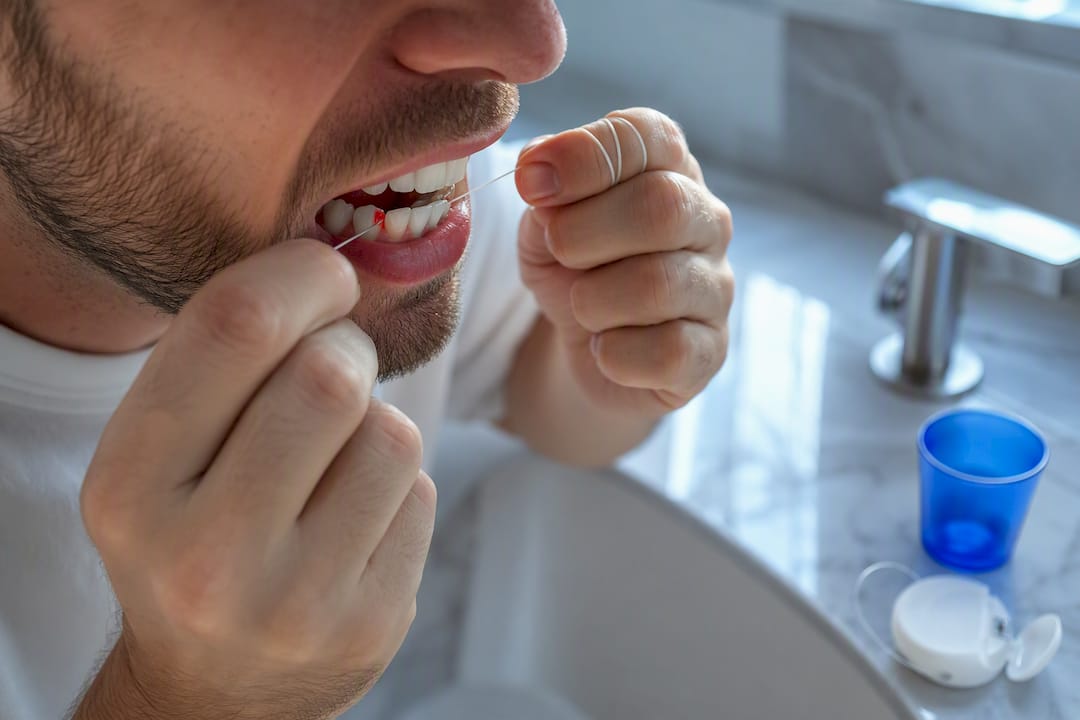
Bleeding when you brush usually means your gums are inflamed, which is not normal for healthy tissue. The most common cause is plaque buildup along the gumline, and the right response is to keep brushing gently with a soft brush and start daily interdental cleaning right away. If bleeding is heavy or does not improve within about a week, note any medications, vitamins, or pregnancy-related changes, and book a dental visit.
TL;DR:
Bleeding gums during brushing is mainly caused by plaque buildup, but aggressive brushing or ill-fitting dental appliances can also irritate healthy tissue.
Systemic factors like blood-thinning medications, vitamin deficiencies, or hormonal changes can influence gum bleeding and should be discussed with a dentist.
To stop bleeding, switch to a soft-bristle brush, gently brush the affected areas, and resume flossing daily, even if initial bleeding occurs.
Persistent bleeding after a week or associated symptoms such as swelling or loose teeth require prompt dental evaluation and possibly deeper treatment.
Maintaining a consistent oral hygiene routine, avoiding tobacco, and ensuring adequate vitamin C intake help prevent recurrent gum bleeding.
Table of Contents
What Causes Gum Bleeding When Brushing?
Plaque is the culprit behind most cases of gum bleeding. When plaque sits along the gumline, bacteria trigger an inflammatory response in the gum tissue, and inflamed tissue bleeds easily when it’s brushed or flossed. This is the hallmark of gingivitis, and left unchecked, it can progress into more advanced gum disease.
Not every case starts with plaque, though. Brushing too hard, using a stiff-bristled brush, or diving back into flossing after months away can all irritate healthy gum tissue on their own. So can an ill-fitting denture, retainer, or orthodontic appliance that rubs against the gumline every time you eat or talk.
Some causes have nothing to do with your brushing habits. We often see bleeding gums tied to:
Blood-thinning medications, including anticoagulants prescribed for heart conditions
Anticonvulsants like phenytoin, which are known to affect gum tissue
Calcium channel blockers, commonly used for blood pressure
Vitamin C or K deficiencies, which affect how gum tissue heals and clots
Uncontrolled diabetes, which slows healing and raises infection risk
Hormonal shifts during pregnancy or puberty, which increase blood flow to the gums
These systemic factors are worth mentioning to your dentist, since they change how we approach treatment. Rarely, persistent gum bleeding can point to something more serious, like a blood clotting disorder, leukemia, or a severe vitamin C deficiency (scurvy). These are uncommon, but they’re part of why bleeding that doesn’t improve with home care deserves a professional look.
What Should You Do Right Now to Stop Bleeding Gums?
Your instinct might be to back off and skip brushing that spot altogether. Don’t. Skipping cleaning lets plaque build up further, which makes inflammation worse, not better. Here’s what actually helps:
Switch to a soft-bristle brush and hold it at a 45-degree angle against the gumline, using short, gentle strokes rather than hard scrubbing.
Keep brushing the bleeding areas, just more gently. Avoiding them only prolongs the inflammation.
Start or resume flossing daily, even if it causes some bleeding at first. This usually settles within a few days to a week as gum tissue heals.
Rinse with cool water after brushing to soothe irritated tissue.
Apply gentle pressure with clean gauze for a couple of minutes if a spot bleeds more than expected, and use a cold compress on the outside of your cheek if there’s swelling.
If bleeding won’t stop after several minutes of direct pressure, or it’s accompanied by dizziness or unusual bruising elsewhere, treat that as urgent and seek care the same day.
Pro Tip: An electric toothbrush with a built-in pressure sensor is worth considering if you tend to brush hard. It alerts you the moment you’re pressing too firmly, so you get a thorough clean without the trauma. If your gums are visibly inflamed, an antimicrobial mouthwash with chlorhexidine or essential oils can help calm things down between brushings, though it shouldn’t replace brushing and flossing.
How Do You Prevent Gum Bleeding From Coming Back?
Once bleeding calms down, the goal shifts to keeping it that way. A consistent routine matters more than any single product:
Brush twice a day for two minutes, angling bristles toward the gumline rather than straight across the teeth.
Clean between your teeth once daily, whether with floss or interdental brushes. Fewer than one in three adults floss daily, and that gap is a major reason gum inflammation is so common.
Replace your toothbrush (or electric brush head) every three to four months, since worn bristles clean less effectively and can irritate gums.
Ask your dentist whether an antimicrobial or prescription-strength rinse fits your situation, especially if inflammation keeps returning.
If a denture, retainer, or aligner is rubbing against your gums, get it adjusted rather than living with the irritation.
Diet and lifestyle habits play a bigger role than most people realize. Low vitamin C intake weakens gum tissue’s ability to repair itself, so leafy greens, citrus, and bell peppers genuinely help. Smoking and other tobacco use also restrict blood flow to the gums, masking bleeding in the short term while quietly worsening gum disease underneath. If you smoke, quitting is one of the most effective changes you can make for gum health. A gentle toothpaste made for sensitive gums can also help if brushing already feels uncomfortable.
When Should You See a Dentist for Bleeding Gums?
Gum bleeding tied to ordinary inflammation should noticeably improve within seven to ten days of consistent, gentle brushing and daily interdental cleaning. If it doesn’t, or if you notice any of the following, book an appointment rather than waiting it out:
Swelling, redness, or tenderness that doesn’t ease up
Pus around the gumline or persistent bad breath
Loose or shifting teeth
Heavy bleeding that doesn’t respond to gentle pressure
Fatigue, unexplained bruising, or other symptoms that suggest something systemic
If you take blood thinners or have a known clotting disorder, mention it before any dental treatment. Routine cleanings are almost always safe, but your dentist may need to coordinate timing with your physician for anything more invasive.
What Happens During a Dental Exam for Bleeding Gums?
A typical exam starts with a review of your brushing and flossing habits, followed by periodontal probing to measure the depth of the pockets between your teeth and gums. Shallow pockets with some inflammation usually point to gingivitis; deeper pockets suggest periodontitis, which needs a different treatment approach. X-rays come into play if we need to check bone levels around the roots.
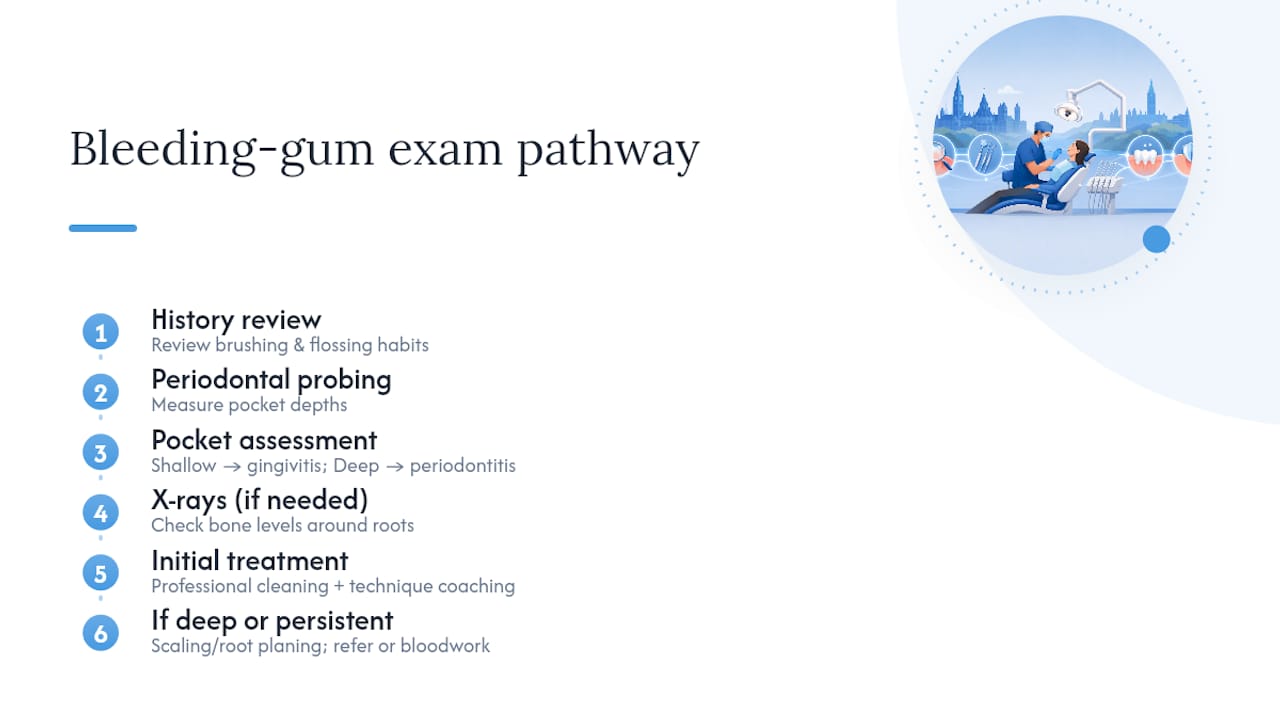
From there, treatment often starts with a professional cleaning to remove plaque and calculus you can’t reach at home, paired with hands-on coaching on technique. If pockets are deeper, scaling and root planing addresses buildup below the gumline. Persistent cases sometimes warrant referral to a periodontist or basic bloodwork if we suspect a systemic cause.
Why Trust Mersal Dental’s Guidance on Bleeding Gums?
We see bleeding gums in our Ottawa clinic on a near-daily basis, which means our recommendations come from what actually works in the chair, not just theory. Our hygiene appointments, same-day and emergency care, and direct insurance billing (including CDCP) mean patients don’t have to sit on a symptom hoping it resolves itself.
Our workflow starts with triage to rule out anything urgent, moves into a hygiene visit for cleaning and coaching, and includes coordinating with your physician when medications or a systemic condition are behind the bleeding. For related symptoms, our posts on why your back gum hurts when you bite down and whether dry mouth can cause gingivitis go deeper into specific patterns worth watching for.
Is Occasional Gum Bleeding Normal, or a Warning Sign?
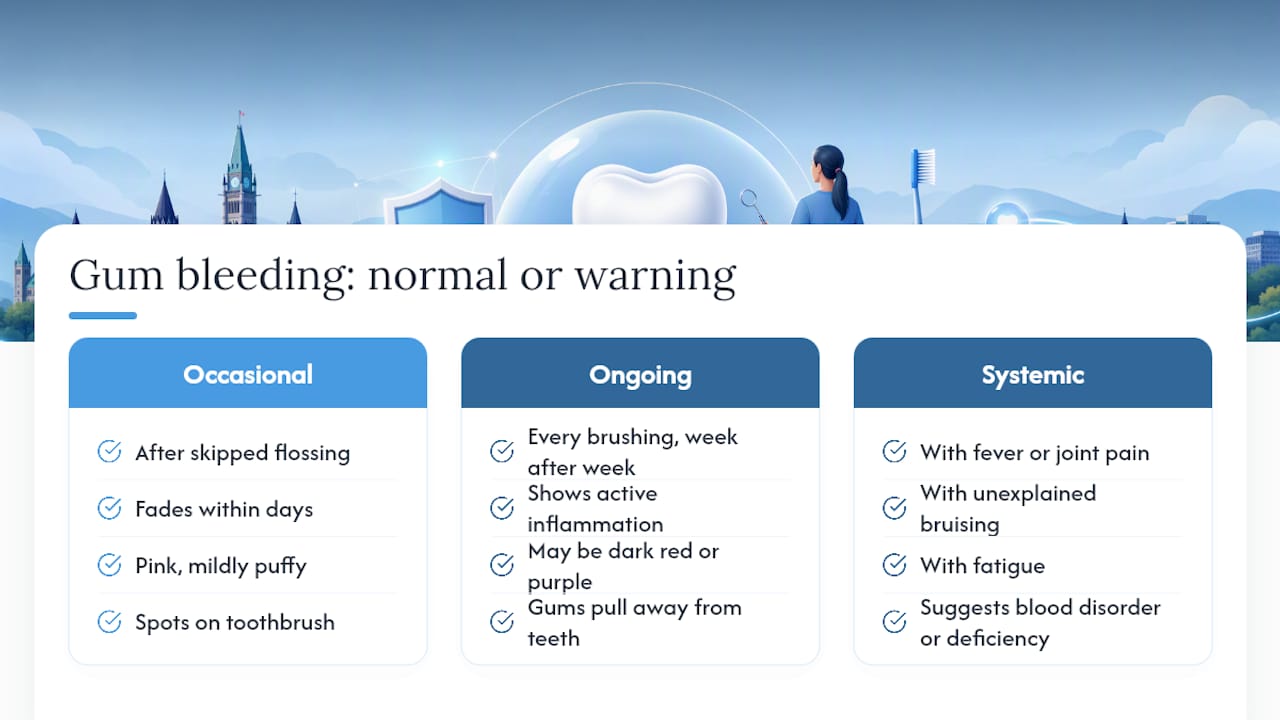
A little bleeding after you’ve skipped flossing for a week and then jump back in is your gums reacting to renewed cleaning, and it typically fades within days as the tissue adjusts. That’s different from bleeding that shows up every single time you brush, week after week, regardless of how gently you clean. Ongoing bleeding almost always means active inflammation that needs addressing, not a habit your gums will simply get used to.
The distinction gets more important when bleeding comes with other symptoms. Gums that are only pink and mildly puffy with occasional spots of blood on the toothbrush usually point to straightforward gingivitis. Gums that are dark red or purple, pull away from the teeth, or sit next to teeth that feel loose suggest periodontitis, where the bone supporting your teeth is already affected. Bleeding paired with fever, joint pain, unexplained bruising on your arms or legs, or fatigue is a different category entirely. That combination can point toward a blood disorder or nutritional deficiency well beyond the mouth, and it warrants a conversation with your doctor alongside your dentist. The takeaway: isolated, mild bleeding that improves with better technique is common and manageable at home. Bleeding that’s heavy, constant, or accompanied by symptoms elsewhere in your body is not something to wait out.
A Clinician’s Note on What Actually Improves Gum Bleeding
Gingivitis is one of the most reversible conditions we treat. Consistent gentle care turns most cases around within days to a couple of weeks, and that’s worth remembering when the bleeding feels alarming at first.
Before your appointment, run through this: brush gently and don’t skip it, start daily interdental cleaning now, write down any medications or supplements you’re taking, book a hygiene visit if bleeding lasts beyond a week, and get seen urgently if bleeding is heavy or won’t stop. Minor inflammation typically responds fast to better habits; deeper pockets or systemic causes need professional treatment to fully resolve.
— Mersal
How Mersal Dental Can Help With Bleeding Gums
If your gums have been bleeding for more than a week despite gentler brushing and daily flossing, an in-person assessment tells you far more than guessing at home ever will. We offer same-day and emergency appointments alongside standard hygiene and cleaning visits, and we bill most insurance plans directly, including CDCP and IFHP, so cost isn’t a barrier to getting checked.

Before you come in, jot down any medications or supplements you take, when the bleeding started, and whether you’ve noticed swelling, pain, or looseness in any teeth. That short list saves time and helps us zero in on the cause faster, whether it’s straightforward gingivitis or something that needs a closer look. If you’re dealing with heavier bleeding, swelling, or pain right now, our emergency care page has same-day options. For a routine check and cleaning, you can book directly through our home page and get on the schedule this week.
Sources
For more medical background, see MedlinePlus on bleeding gums, the NCBI periodontal disease overview, and Canada’s guidance on oral health during pregnancy.
This article is general information, not a substitute for advice from a qualified doctor. Consult a qualified healthcare professional about your own circumstances before acting on anything here.
Recommended
Comments