How to Treat Cold Sensitive Teeth: Fast Relief & Next Steps

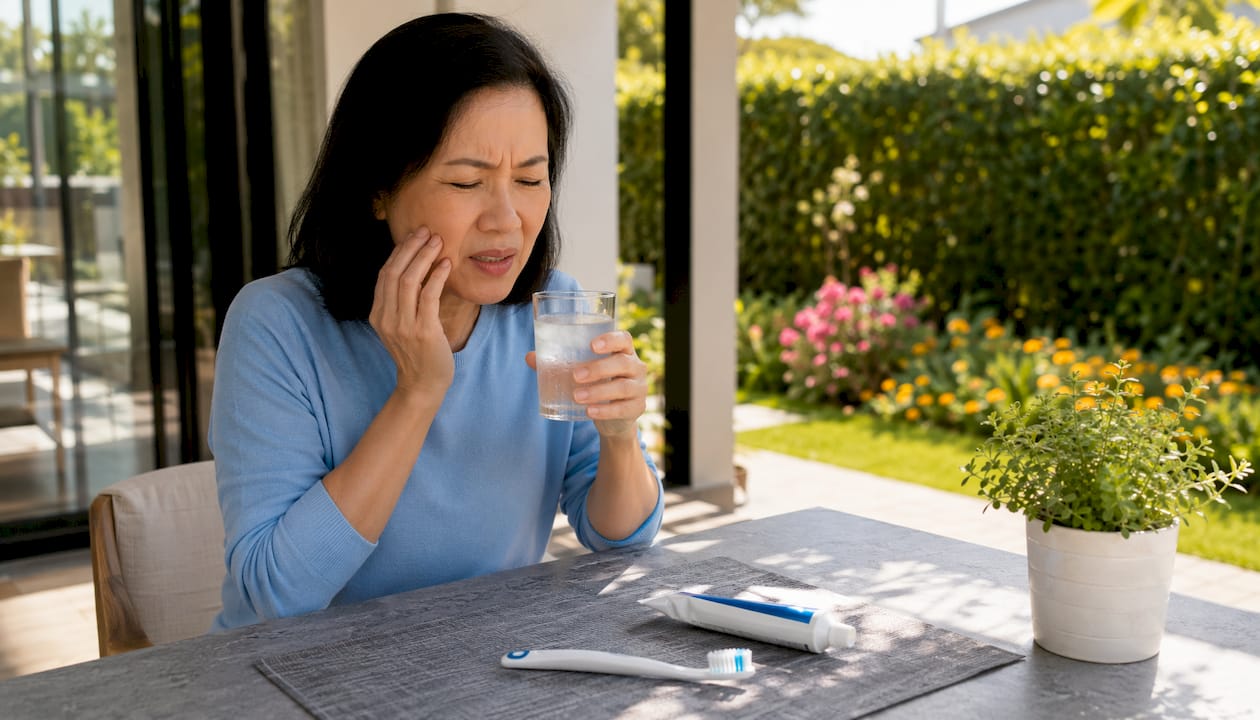
Cold-sensitive teeth respond well to a simple first-line plan: switch to a desensitizing toothpaste, avoid cold and acidic triggers, and rinse with lukewarm water when pain strikes. Most mild cases improve within a few weeks of consistent home care. If pain is sharp, localized, or lingers after the cold stimulus is gone, stop waiting and call a dentist.
Start tonight: Apply a desensitizing toothpaste (potassium nitrate or stannous fluoride formula) directly to the sensitive spot for one minute before spitting.
Avoid triggers: Skip ice water, cold drinks, and acidic foods until sensitivity calms down.
Rinse gently: Use lukewarm water, not cold, when rinsing your mouth.
Escalation rule: Try home measures for up to two weeks for mild discomfort. Sharp, localized pain, swelling, or fever means call a dentist the same day.
Pro Tip: The American Dental Association recommends using a soft-bristled brush and fluoride toothpaste as the foundation of any sensitivity-relief routine. If you are already doing both and still hurting, that is a signal to move beyond home care.
Table of Contents
Why do your teeth hurt when exposed to cold?
Cold sensitivity happens when the protective layer over your dentin is compromised. Dentin sits just beneath enamel and contains thousands of microscopic tubules that lead directly to the nerve. When those tubules are exposed, cold temperatures trigger a sharp, brief zing or a deeper ache.
Common causes include:
Enamel erosion: Acidic foods, carbonated drinks, and acid reflux wear down enamel over time, leaving dentin closer to the surface.
Gum recession: When gums pull back, the root surface (which has no enamel) is exposed. Root dentin is especially reactive to cold.
Cavities and failing restorations: Decay or a worn filling creates pathways for temperature changes to reach the nerve.
Cracked or chipped teeth: Even a hairline crack can transmit cold directly to the pulp.
Bruxism (tooth grinding): Grinding wears enamel flat and can fracture teeth, both of which increase sensitivity.
Aggressive brushing: Scrubbing too hard with a firm brush erodes enamel at the gumline and causes recession.
Whitening products: Bleaching agents temporarily open dentin tubules, which is why whitening often causes short-term sensitivity.
Understanding the type of pain helps narrow the cause. A brief, sharp zing that fades within seconds after cold contact points to dentin hypersensitivity. Pain that lingers for 30 seconds or more after the stimulus is removed suggests pulp involvement. Tactile sensitivity (pain from a toothbrush or food touching the tooth) often points to recession or a crack. Knowing the difference helps your dentist choose the right treatment faster.
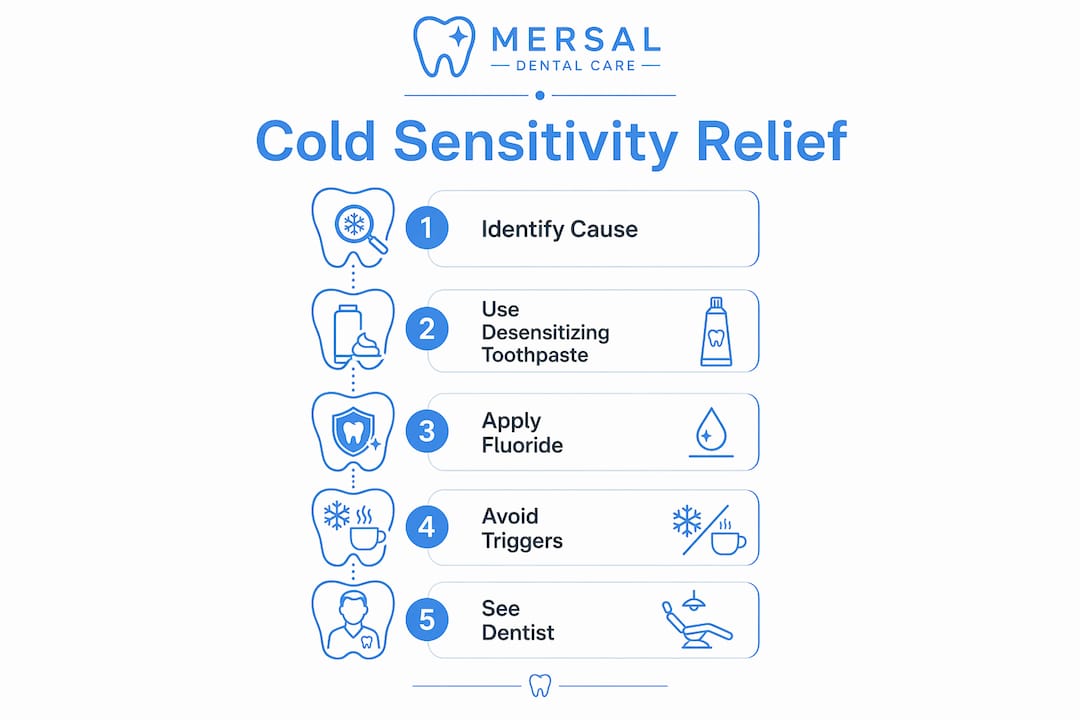
How to soothe sensitive teeth at home right now
The goal of immediate home care is to reduce nerve stimulation while you address the underlying cause. These steps are safe to start tonight.
Short sequence to follow:
Avoid the trigger (cold drinks, ice cream, cold air).
Rinse with lukewarm water to neutralize any remaining acid or temperature shock.
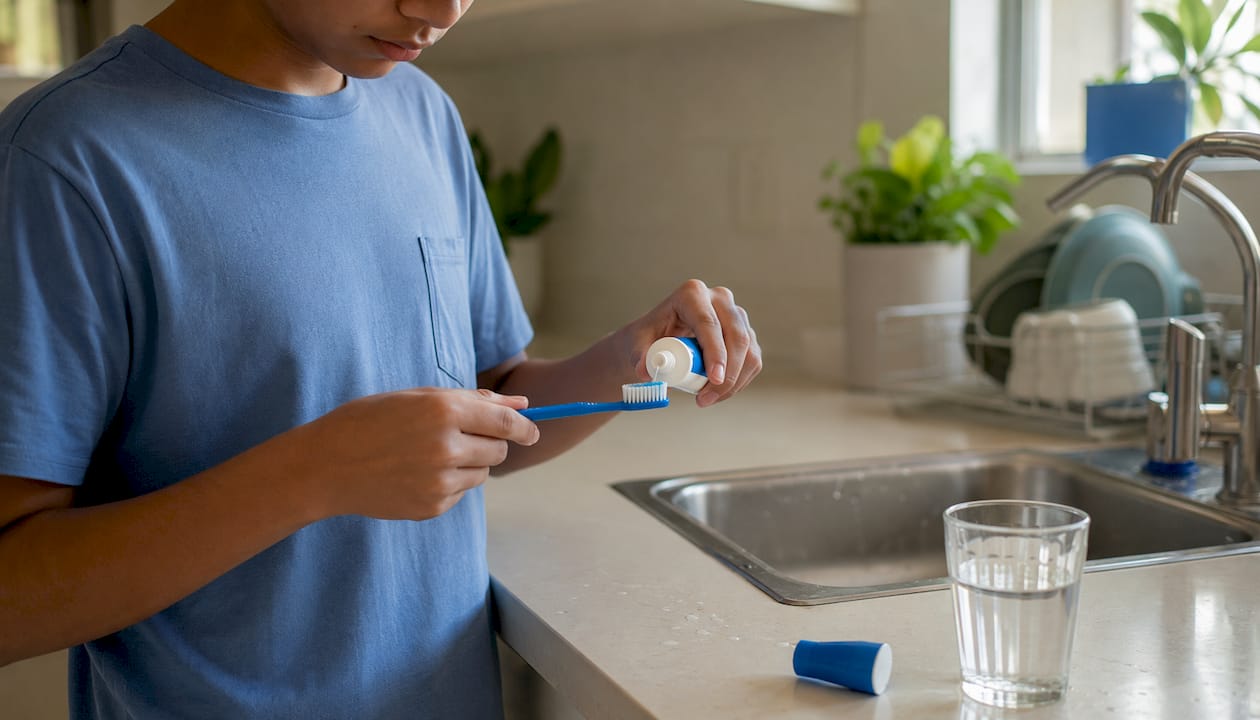
Apply desensitizing toothpaste directly to the sensitive tooth with a clean fingertip or cotton swab. Leave it on for one minute, then spit. Do not rinse.
Brush gently with a soft-bristled brush using small, circular strokes. Never scrub.
Practical habits that reduce daily pain:
Drink cold beverages through a straw so liquid bypasses sensitive teeth.
Lick ice cream rather than biting directly into it.
Breathe through your nose in cold weather to prevent blasts of cold air from hitting your teeth.
Use lukewarm water when brushing, not cold.
Oral rinses: Plain water and a mild saline rinse (half a teaspoon of salt in eight ounces of warm water) are safe and soothing. Avoid alcohol-based mouthwashes and hydrogen peroxide rinses without professional guidance; both can irritate already-sensitive tissue. For rinse options specifically formulated for sensitive teeth, our mouthwash guide for sensitive teeth covers what works and what to skip.
When home care is not enough: Stop OTC treatment and contact a dentist if you notice sharp, localized pain that does not fade within 30 seconds, visible swelling in the gum or jaw, fever, or spontaneous pain with no cold trigger. These signs suggest infection, pulp damage, or a structural problem that no toothpaste can fix.
Pro Tip: Wait 30 minutes after eating or drinking anything acidic before brushing. Acid temporarily softens enamel, and brushing immediately afterward accelerates abrasion. Rinse with water first, then wait.
Which OTC products actually help with cold sensitivity?
Three categories of over-the-counter products address cold sensitivity, each working through a different mechanism.
Desensitizing toothpastes are the first-line choice. Potassium nitrate reduces nerve excitability over time, typically requiring consistent use over weeks for noticeable improvement. Stannous fluoride works differently: it deposits a protective layer over exposed dentin tubules, which can provide faster relief within days for some patients. For a detailed comparison of specific formulas, see our sensitive teeth toothpaste guide.
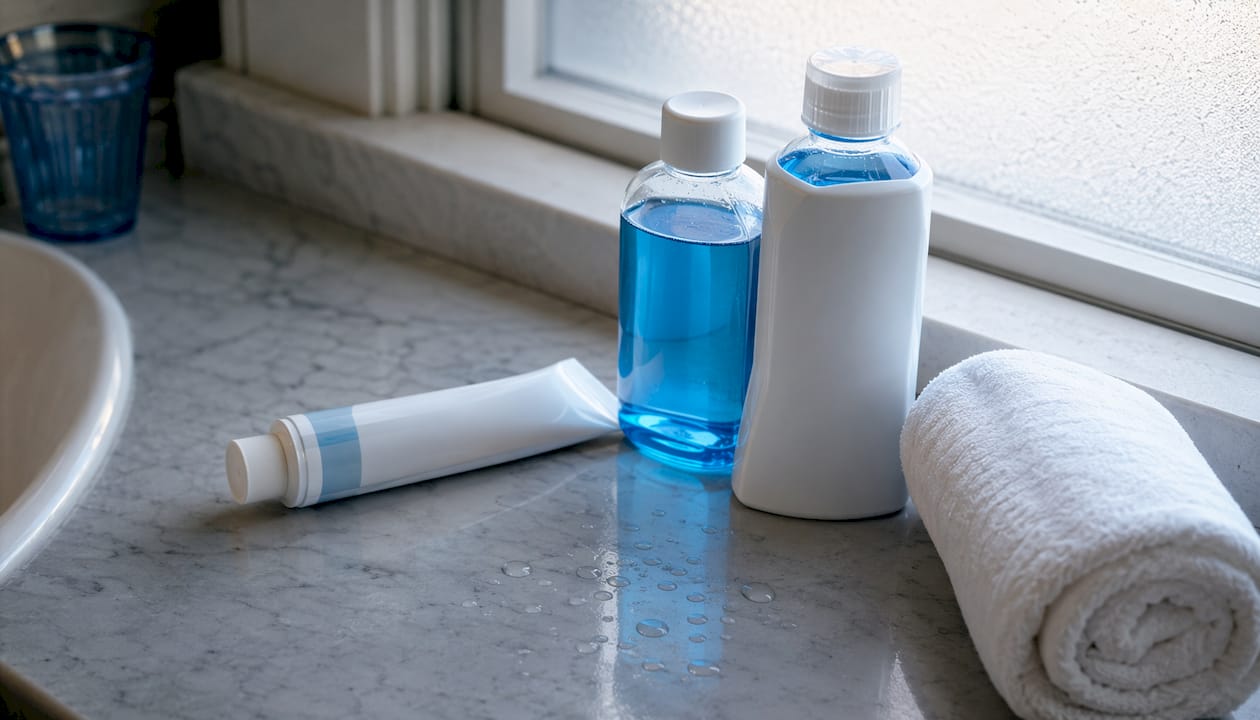
Fluoride rinses and gels strengthen enamel and help remineralize early erosion. They work best as a complement to desensitizing toothpaste, not a replacement. Use a fluoride rinse after brushing at night, and do not eat or drink for 30 minutes afterward.
Sensitivity-specific mouthwashes typically combine fluoride with a low concentration of potassium nitrate. They are convenient but generally less effective than toothpaste used with the topical application technique.
Quick comparison:
Product Category | Mechanism | Typical Timeline | Key Caution |
Potassium nitrate toothpaste | Nerve-calming | 2–4 weeks | Requires consistent daily use |
Stannous fluoride toothpaste | Tubule occlusion | Days to weeks | May cause temporary tooth staining |
Fluoride rinse/gel | Remineralization | 4–6 weeks | Do not swallow; rinse timing matters |
Sensitivity mouthwash | Nerve-calming + fluoride | 2–4 weeks | Alcohol-free formulas only |
Safe usage tips:
Apply toothpaste to the sensitive spot with a fingertip for one minute before your normal brushing routine.
Do not rinse after brushing; let the active ingredients stay on the tooth surface.
If gum irritation or a metallic taste develops with stannous fluoride, switch to a potassium nitrate formula and mention it at your next dental visit.
Whitening toothpastes and whitening strips can worsen sensitivity. If your teeth are already reactive to cold, hold off on whitening until you have addressed the underlying cause. Our guide on whitening without hurting enamel explains how to approach it safely.
What can a dentist do that home care cannot?
When OTC products are not enough, in-office treatments address the structural or biological cause directly. Professional assessment is the only way to rule out a crack, failing restoration, or pulp damage.
Common in-office treatments:
Professional fluoride varnish: Applied directly to sensitive surfaces in minutes; provides immediate relief and remineralizes enamel. No anesthesia needed.
Dental bonding or resin sealant: A thin layer of composite resin covers exposed root surfaces or worn enamel. Effective for recession-related sensitivity and localized enamel loss.
Gum grafting: For significant recession, a soft-tissue graft covers the exposed root permanently. It is the most durable solution for root sensitivity.
Custom nightguard: For bruxism-related sensitivity, a fitted guard prevents further enamel wear while you sleep.
Restorations (fillings, crowns): Decay or a cracked tooth requires a filling or crown to seal the tooth and eliminate the pathway to the nerve. Our crowns and bridges page explains what to expect from restorative care.
Root canal: Reserved for irreversible pulp damage. When the nerve is infected or dying, a root canal removes the damaged tissue and eliminates pain at its source.
Professional cleaning (scaling and polish): Plaque and tartar at the gumline cause inflammation and recession. Deep cleaning by a dental hygienist can reduce sensitivity tied to periodontal issues.
Treatment | Primary Indication | Timeline to Relief | Invasiveness |
Fluoride varnish | Generalized sensitivity | Days | Minimal |
Bonding/sealant | Recession, enamel loss | Immediate to days | Low |
Gum graft | Significant recession | Weeks (healing) | Moderate |
Nightguard | Bruxism | Weeks (habit change) | None |
Filling/crown | Decay, crack | Immediate post-procedure | Moderate |
Root canal | Pulp infection/damage | Days post-procedure | High |
How dentists diagnose the cause of cold sensitivity
A clinical exam often reveals causes you cannot identify at home. Early diagnosis prevents a manageable sensitivity problem from escalating to endodontic treatment.
Typical diagnostic steps:
Medical and dental history: Your dentist asks about symptom onset, duration, triggers, recent whitening, and any OTC products you have tried.
Clinical exam: Visual inspection of enamel, gumline, and existing restorations for cracks, recession, or decay.
Cold/thermal testing: A brief cold stimulus applied to each tooth identifies which teeth are reactive and whether the response is brief (reversible) or prolonged (possible pulp involvement).
Percussion and bite tests: Tapping or pressing on a tooth helps distinguish a crack from dentin hypersensitivity.
Radiographs (X-rays): Bitewing and periapical X-rays reveal decay, bone loss, and failing restorations that are invisible to the naked eye.
Transillumination: A bright light shone through the tooth can reveal hairline cracks.
What findings point to which treatments:
Generalized sensitivity at the gumline across multiple teeth → abrasion or recession; bonding, fluoride varnish, or gum graft.
Isolated, prolonged response on one tooth → possible crack or pulp involvement; may need a crown or root canal.
Sensitivity linked to a specific filling → failing restoration; replacement filling or crown.
What to bring to your appointment:
A written list of symptoms (which teeth, what triggers, how long pain lasts)
Timeline of when sensitivity started
Any recent whitening products or at-home trays you have used
Names of OTC products you have tried and for how long
How to prevent cold sensitivity from coming back
Prevention is mostly about protecting what enamel you have and keeping gums healthy. These habits are straightforward to build into a daily routine.
Daily oral care:
Use a soft-bristled toothbrush and replace it every three months.
Brush with a gentle, circular motion; never scrub side to side at the gumline.
Use a fluoride toothpaste every time you brush.
Wait 30 minutes after acidic food or drink before brushing.
Schedule hygiene appointments at least twice a year for professional cleaning and early detection.
Diet and behavior changes:
Limit carbonated drinks, citrus juices, and sports drinks; all are highly acidic.
Use a straw for cold or acidic beverages to minimize tooth contact.
Avoid biting directly into very hard, cold foods (ice, frozen candy bars).
Drink water throughout the day to maintain saliva flow and neutralize acids.
Habit interventions:
If you grind your teeth at night, ask your dentist about a custom nightguard. Bruxism silently destroys enamel over months and is one of the most commonly overlooked causes of progressive sensitivity.
Smoking reduces saliva production and impairs gum health, both of which worsen sensitivity. Quitting is the single most impactful lifestyle change for long-term gum and enamel health.
Manage acid reflux (GERD) with your physician if present. Stomach acid reaching the mouth erodes enamel from the inside out, particularly on the back surfaces of upper teeth.
Pro Tip: Use a remineralizing toothpaste or a prescription-strength fluoride gel (available through your dentist) if you have a history of enamel erosion. These products actively rebuild mineral density in early-stage erosion before it becomes structural damage.
When should you see a dentist for cold sensitivity?
Mild sensitivity that responds to desensitizing toothpaste after some weeks is generally safe to manage at home. Anything beyond that warrants professional evaluation.
Red flags that mean call a dentist today:
Pain that lingers more than 30 seconds after the cold stimulus is removed
Sharp, localized pain in one specific tooth
Spontaneous pain with no trigger (cold, heat, or touch)
Visible swelling in the gum, jaw, or face
Fever alongside tooth pain
A visible crack or chip in the tooth
Recent dental trauma (fall, blow to the mouth)
Suggested timeline:
Mild, generalized sensitivity: Try home and OTC measures for up to two weeks. If no improvement, schedule a routine appointment.
Moderate sensitivity not improving: Contact your dentist within 48–72 hours.
Any red-flag symptom above: Call the same day. Persistent, focal pain with systemic signs suggests an abscess or pulpitis, both of which worsen quickly without treatment.
Sensitivity is a symptom, not a diagnosis. The same cold-triggered pain can come from a hairline crack, an infected pulp, gum recession, or simple enamel wear. Only a clinical exam separates them.
At an emergency visit, your dentist will triage the cause, provide temporary stabilization if needed (a sedative dressing or temporary filling), and schedule definitive care. A routine appointment follows the full diagnostic protocol described above.
How long does it take to feel better, and what does treatment cost?
Timeline for improvement depends entirely on the cause and treatment chosen. Desensitizing toothpaste used consistently twice daily typically produces noticeable relief within two to four weeks. Professional fluoride varnish often reduces sensitivity within a few days. Bonding and sealants provide near-immediate relief once placed. Gum grafting requires a healing period of several weeks before full comfort returns. Root canal therapy eliminates pain within days of the procedure, though the tooth may be tender for a week or two afterward.
Broad cost expectations vary significantly by practice, location, and insurance coverage. Fluoride varnish applied in-office is often included in a routine cleaning visit. Dental bonding typically runs in the low-to-mid hundreds of dollars per tooth. Gum grafting is a surgical procedure and costs more, often covered partially by dental insurance when medically indicated. Root canal therapy is among the higher-cost procedures, though it is frequently covered in part by insurance plans. The Canadian Dental Care Plan (CDCP) covers many preventive and restorative services for eligible patients; Mersaldental accepts CDCP and bills directly, so out-of-pocket costs may be lower than you expect.
Your step-by-step home care routine for sensitive teeth
A consistent routine matters more than any single product. Here is a practical daily sequence designed specifically for cold-sensitive teeth.
Morning:
Rinse with lukewarm water first.
Apply desensitizing toothpaste to sensitive spots with a fingertip; hold for one minute, then spit.
Brush gently with a soft-bristled brush for two minutes using circular strokes.
Do not rinse after brushing; let fluoride stay on the teeth.
Wait 30 minutes before eating or drinking anything acidic.
Evening:
Floss before brushing to remove plaque from between teeth and at the gumline.
Brush again with desensitizing toothpaste using the same gentle technique.
Use a fluoride rinse or sensitivity mouthwash after brushing; do not eat or drink for 30 minutes.
If you grind your teeth, insert your nightguard before sleep.
Weekly:
Check your toothbrush bristles. If they are splayed, replace the brush; worn bristles abrade gum tissue.
Note any changes in sensitivity (better, worse, new teeth affected) so you can report them accurately at your next dental visit.
What you eat and drink affects cold sensitivity more than you think
Acidic foods get most of the attention, but the full picture is broader.
Cold drinks cause two problems: the temperature itself triggers pain in exposed dentin, and carbonated cold drinks combine temperature shock with acid erosion in a single sip. Sparkling water, though less acidic than soda, still has a low pH that softens enamel with frequent use.
Sugary foods feed the bacteria that produce lactic acid as a byproduct. That acid sits on enamel for 20–40 minutes after eating, softening the surface. Frequent snacking keeps teeth in a near-constant state of acid exposure, which accelerates enamel loss faster than three large meals would.
Other dietary factors worth knowing:
Citrus fruits, tomatoes, vinegar-based dressings, and wine are all highly acidic and should be followed by a water rinse.
Sticky, sugary foods (caramel, gummy candy) cling to enamel and prolong acid exposure far longer than a sugary drink does.
Dairy products (cheese, milk, plain yogurt) are mildly alkaline and can help neutralize mouth acids after a meal.
Hot beverages paired with cold foods create rapid temperature swings that stress already-sensitive teeth.
Why saliva matters for tooth sensitivity
Saliva is your mouth’s natural defense system against sensitivity. It neutralizes acids, delivers calcium and phosphate to remineralize enamel, and physically washes bacteria and food debris off tooth surfaces. When saliva flow drops, enamel erosion accelerates and sensitivity worsens.
How to maintain healthy saliva production:
Stay well hydrated. Dehydration is the most common cause of reduced saliva flow.
Chew sugar-free gum (xylitol-based) after meals to stimulate saliva production.
Breathe through your nose rather than your mouth; mouth breathing dries out oral tissues quickly.
Limit alcohol and caffeine, both of which have a drying effect.
Talk to your physician if you take medications that list dry mouth as a side effect (antihistamines, antidepressants, blood pressure medications are common culprits). A dosage adjustment or a saliva substitute may help.
Dry mouth is not just uncomfortable. Without adequate saliva, remineralization stalls, bacteria thrive, and sensitivity compounds over time.
Lifestyle habits that make cold sensitivity worse
Two habits stand out above all others for their direct impact on tooth sensitivity: smoking and teeth grinding.
Smoking reduces saliva flow, impairs blood supply to gum tissue, and accelerates gum recession. Smokers are significantly more likely to develop periodontal disease, which exposes root surfaces and creates the exact conditions for cold sensitivity. Nicotine also masks early pain signals, meaning smokers often present with more advanced disease by the time they seek care.
Teeth grinding (bruxism) is particularly damaging because it happens during sleep, when you have no conscious control. The cumulative force of grinding wears enamel flat, fractures cusps, and stresses the periodontal ligament. Many patients do not know they grind until a dentist points out the wear patterns. A custom-fitted nightguard, made from an impression of your teeth, distributes force evenly and stops enamel loss. Over-the-counter boil-and-bite guards are better than nothing but do not fit as precisely and can shift the jaw in ways that cause muscle soreness.
Other habits worth addressing:
Nail biting and chewing on pens or ice create micro-fractures in enamel that worsen over time.
Aggressive flossing that snaps the floss into the gum causes tissue trauma and recession.
Frequent vomiting (from eating disorders or severe morning sickness) exposes teeth to stomach acid repeatedly, causing rapid enamel loss on the inner surfaces of upper teeth.
If any of these apply to you, addressing the habit directly is as important as any product you use.
Key Takeaways
Cold-sensitive teeth respond best to a stepwise plan: start with desensitizing toothpaste and trigger avoidance, escalate to professional care if pain is sharp, localized, or persists beyond two weeks.
Point | Details |
Start with desensitizing toothpaste | Apply potassium nitrate or stannous fluoride formula directly to the sensitive spot for one minute; expect improvement after consistent use over several weeks. |
Avoid triggers immediately | Skip cold drinks, acidic foods, and cold air exposure while sensitivity is active; use a straw and breathe through your nose. |
Escalate for red-flag symptoms | Sharp localized pain, swelling, fever, or pain lasting more than 30 seconds after cold contact means call a dentist the same day. |
In-office options go further | Fluoride varnish, bonding, gum grafting, and root canal each address a specific cause; home care cannot replicate these. |
Mersaldental offers same-day care | Mersaldental in Ottawa accepts new patients, bills insurance directly including CDCP, and offers same-day treatment for urgent sensitivity concerns. |
What patients often miss about cold sensitivity
Cold sensitivity is almost always a symptom of something else, and that distinction changes everything about how it should be treated. Patients often focus on finding the right toothpaste when the real problem is a hairline crack, a failing old filling, or gum recession that has been progressing quietly for years.
The most commonly overlooked causes in a clinical setting are cracks and aggressive brushing. A crack is invisible on a standard X-ray and may only show up under transillumination or during a bite test. Aggressive brushing is something most patients genuinely do not realize they are doing; they associate effort with cleanliness. Both causes require a different treatment path than simple dentin hypersensitivity, and neither responds meaningfully to desensitizing toothpaste alone.
The stepwise approach in this article reflects how we think about sensitivity clinically: conservative first, targeted second. But the conservative phase has a time limit. Two weeks of home care with no improvement is not a reason to try a different toothpaste. It is a reason to come in.
Trusted resources for further reading
Short descriptions of reliable sources for cold sensitivity, plus links to Mersaldental resources for local care and next steps.
Mayo Clinic — Practical, clinician-reviewed answers on sensitive teeth treatments, including brushing timing and nightguard use.
Johns Hopkins Medicine — Clear guidance on when sensitivity signals a more serious condition like pulpitis or abscess.
Cleveland Clinic — Detailed breakdown of OTC product mechanisms and topical application technique.
ADA Caries Risk Assessment — The clinical risk assessment guide dentists use to identify decay and erosion risk; useful background for understanding your own risk profile.
Mersaldental Dental Blog — Our full library of dental health articles covering sensitivity, whitening, gum health, and more.
Mersaldental Hygiene Appointments — Book a professional cleaning to address plaque-related sensitivity and get a baseline exam.
Mersaldental Root Canal Information — Learn what to expect from root canal treatment if sensitivity has progressed to pulp involvement.
Mersaldental Services Overview — A full list of clinical services available at our Ottawa location, from restorations to emergency care.
This article is general dental health information, not professional advice. For an accurate diagnosis and treatment plan suited to your situation, consult a licensed dentist.
Cold sensitivity you can address at Mersaldental today

If home care has not brought relief, or if you are dealing with any of the red-flag symptoms described above, Mersaldental is ready to help. We are a full-service family dental office in lower-town Ottawa, and we accept new patients with no long wait. Same-day appointments are available for urgent sensitivity concerns, so you do not have to sit with pain while waiting weeks for an opening.
We offer the full range of treatments covered in this article: professional fluoride varnish, dental bonding, custom nightguards, restorations, and root canal therapy when needed. We bill your insurance directly, including the Canadian Dental Care Plan (CDCP) and IFHP, which means fewer out-of-pocket surprises. Our multilingual team is here to make the visit as comfortable as possible.
Book your appointment or browse our services page to see the full range of care we provide. Cold-sensitive teeth are treatable. Let us find the cause and fix it.
Recommended
Comments