Do You Need a Mouthguard for Teeth Grinding?

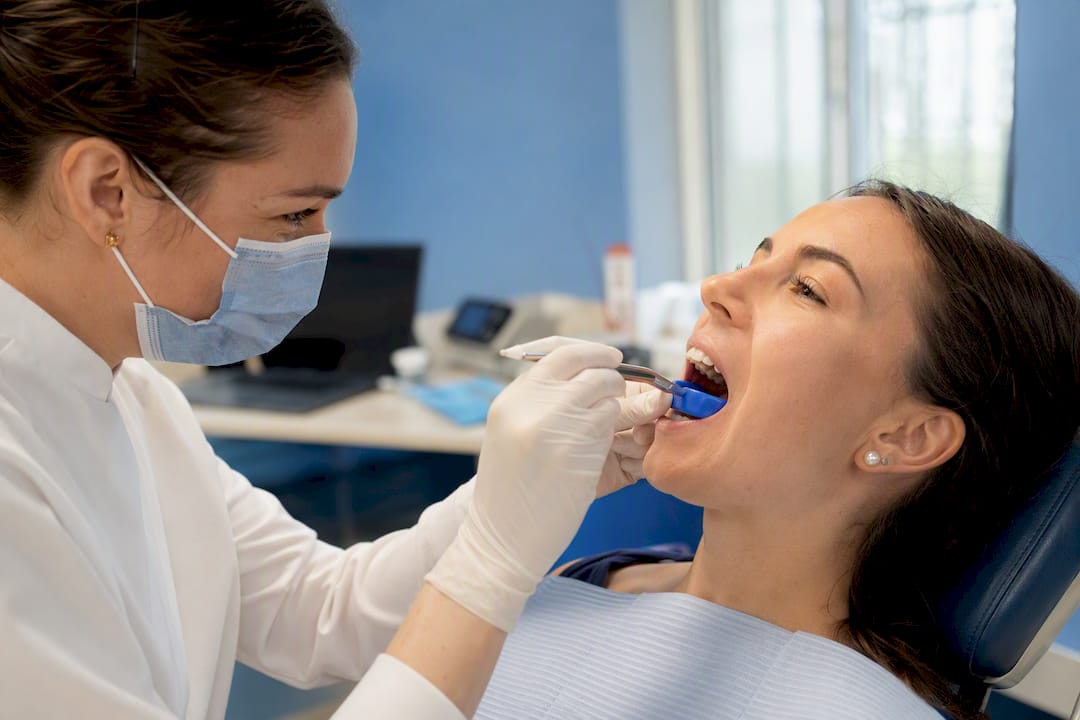
A mouthguard for teeth grinding protects your enamel from wear, but in most cases it does not fix why you grind in the first place. The right immediate step is to start protecting your teeth while you arrange a professional bite assessment. A custom guard tends to serve ongoing grinding better than a store-bought one because it fits your bite precisely.
Some symptoms mean you shouldn’t wait for a routine appointment:
A tooth that feels cracked, sharp, or suddenly different when you bite down
Jaw pain severe enough to limit chewing or speaking
Teeth that feel loose or seem to be shifting position
Morning headaches paired with visible flattening or chipping on your teeth
If any of these apply, book a dental visit before you buy anything from a pharmacy shelf.
Key Takeaways
A mouthguard protects teeth from grinding damage, but lasting relief from bruxism usually requires a dental diagnosis plus behavioral or medical treatment alongside the appliance.
Point | Details |
See a dentist before buying | A professional exam can catch TMJ issues, sleep apnea signs, or medication triggers that a store-bought guard won’t address. |
Custom guards outperform OTC for ongoing use | Dentist-made guards fit your bite precisely and hold up better for regular or heavy grinding. |
Guards manage damage, not the cause | Protection is realistic; stopping bruxism often needs stress management, therapy, or medical treatment too. |
Replace at the first sign of wear | Cracks, odor, or a changed fit mean it’s time for a new guard, not more duct-tape fixes. |
Mersaldental offers full bruxism care | From bite assessment to custom guard fitting and same-day emergency visits, with direct insurance billing and CDCP accepted. |
Table of Contents
Why See a Dental Professional First for Teeth Grinding
Bruxism can be secondary to other issues, including medication side effects and obstructive sleep apnea, which is exactly why a self-diagnosed night guard dental purchase can miss the real problem. A dentist examining you for grinding typically works through a set sequence.
Oral inspection for flattened cusps, cracks, and wear patterns unique to grinding versus normal aging
Bite evaluation to check how your upper and lower teeth meet and whether your jaw tracks evenly
Screening for TMJ signs, like joint clicking, tenderness, or restricted opening
A look at existing crowns, fillings, or bridges that grinding could damage or loosen
Questions about sleep quality, snoring, and daytime fatigue that might point toward sleep apnea
Pro Tip: Bring a list of any medications you take to your appointment. Certain antidepressants and stimulants are known to trigger or worsen grinding, and your dentist needs that context to recommend the right treatment.
Findings here decide everything downstream, from which appliance you get to whether you’re referred for a sleep study.
Bruxism Mouth Guard Types: Custom, Boil-and-Bite, or Ready-to-Wear
Not all guards solve the same problem, and picking the wrong category wastes money and sometimes makes grinding worse.
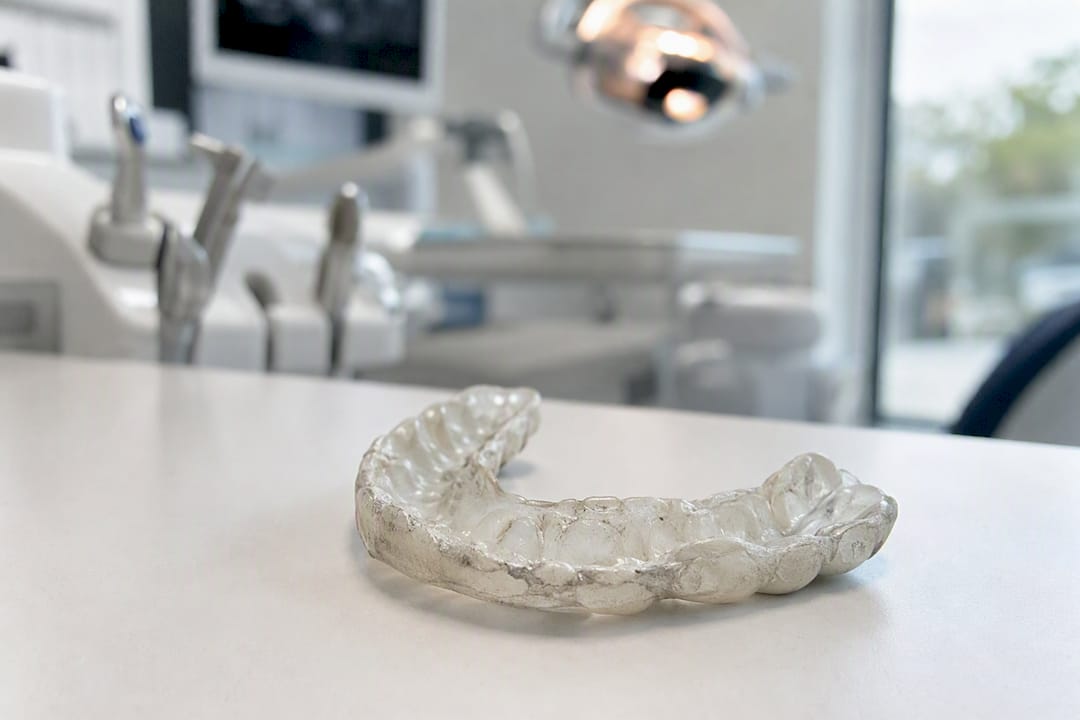
Custom dental guards are fabricated from an impression or digital scan of your teeth, then built in a lab from soft, hard, or dual-laminate material. A dual-laminate guard pairs a soft inner layer with a firmer outer shell, which tends to hold up better for heavy grinders or anyone with TMJ pain than a soft-only design. Professionals generally recommend these dentist-made guards because they give a precise, comfortable fit that supports the jaw’s optimal position.
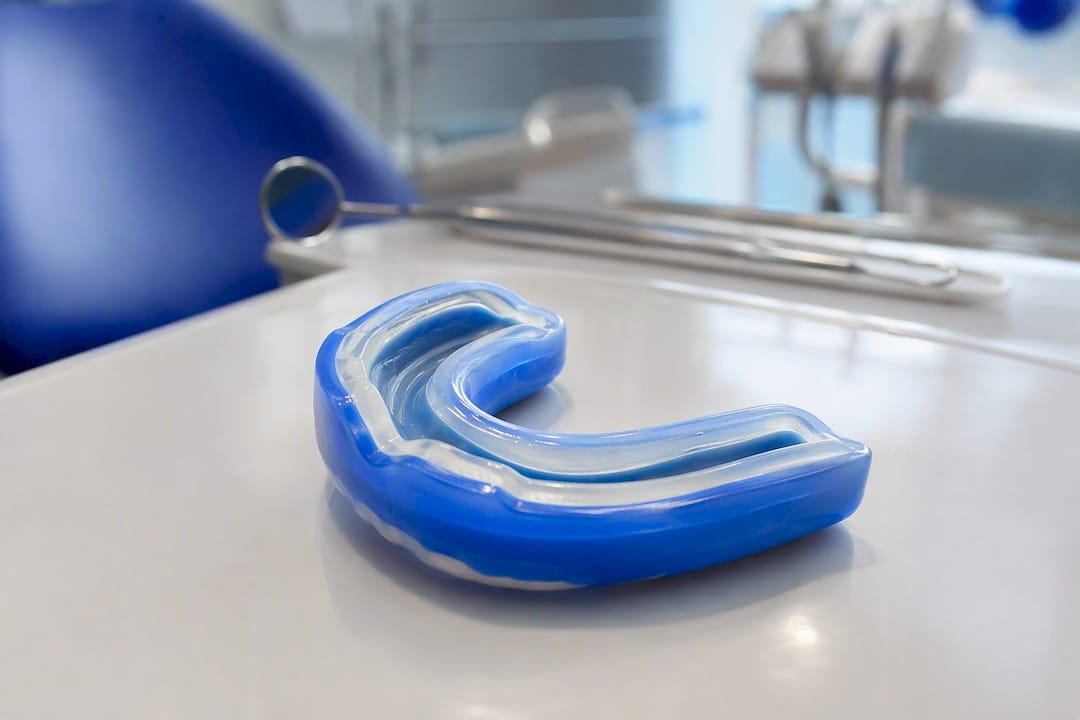
Boil-and-bite OTC guards get softened in hot water, then bitten into to form a rough mold at home. They cost far less and arrive faster, but the fit is approximate at best. Worse, an ill-fitting boil-and-bite guard can inadvertently stimulate your jaw muscles to chew on the appliance overnight, which defeats the purpose. Treat these as a stopgap while you wait for a dental appointment, not a long-term teeth grinding treatment.
Ready-to-wear guards come in generic sizes with no molding step at all. They’re bulky, rarely stay in place through a full night, and almost never suit chronic bruxism.
On cost and timeline: a custom guard typically means a few dental visits and a wait for lab fabrication, versus same-day availability for a boil-and-bite kit from a drugstore. The wait is worth it for anyone grinding regularly.
How a Night Guard for Bruxism Helps, and Where It Falls Short
A mouthguard’s main job is mechanical: it keeps your upper and lower teeth separated so grinding can’t grind them against each other. Splints and mouth guards can stop the damage caused by clenching and grinding even when the grinding itself continues underneath.
What a guard does well:
Cuts down abrasive tooth-on-tooth contact that flattens enamel over time
Shields crowns, veneers, and fillings from cracking under grinding force
Reduces some of the muscle strain that causes morning jaw soreness
What it doesn’t do is stop the neurological pattern behind bruxism, which is largely driven by the central nervous system rather than by tooth position alone. That’s why a guard alone rarely counts as a complete teeth grinding treatment.
Poor fit carries its own risks. Long-term use of an ill-fitting OTC guard can shift your bite over time, and a guard that’s too thick or too loose can leave you with worse jaw soreness than you started with, or a habit of chewing through the material itself. If a guard changes how your teeth meet when you take it out, that’s a signal to see your dentist, not push through it.
How to Stop Teeth Grinding Without Relying on a Guard Alone
A mouthguard protects your teeth, but treating bruxism itself usually calls for more than one approach.
Lower the triggers. Cutting caffeine and alcohol, especially in the evening, and building in stress reduction through exercise or meditation are consistently recommended first steps.
Retrain the muscle habit. Cognitive behavioral therapy, biofeedback, and physical therapy for the jaw can help patients notice and interrupt daytime clenching, which often carries over into sleep.
Consider medical options for severe cases. Muscle relaxants and Botox injections can ease grinding intensity, though Botox typically needs repeating every few months to hold its effect.
Rule out sleep apnea. If your dentist suspects obstructive sleep apnea is driving the grinding, a sleep study and CPAP therapy may address the root cause more directly than any appliance.
Choosing the Right Mouthguard: A Simple Decision Framework
Match the guard to your situation instead of grabbing whatever’s cheapest.
Mild, occasional grinding with no jaw pain: a boil-and-bite guard can bridge the gap until your dental visit.
Regular grinding with visible wear or existing dental work: a custom guard protects your investment in crowns or bridges far better than an OTC option.
TMJ pain or heavy grinding: ask your dentist about a dual-laminate design, which tends to balance comfort with the durability heavy grinders need.
Comfort and compliance concerns: a guard you won’t actually wear every night isn’t protecting anything, so weigh material feel as heavily as material strength.
Before committing to a lab-made guard, ask your dentist a few direct questions: what material will be used, whether adjustments after delivery are included, what warranty applies, and how long the guard should reasonably last given how hard you grind.
Pro Tip: A dental office can fine-tune or reshape a custom guard at a follow-up visit if your bite feels off. That in-person adjustment is something a mail-order guard ordered online simply can’t offer.
Caring for Your Mouthguard and Knowing When to Replace It
A guard is only protective if it stays clean and intact. Rinse it with cool water after every use, and brush it gently with a soft toothbrush, avoiding toothpaste, which can be abrasive enough to scratch the surface. Skip hot water, which warps the material, and skip mouthwash soaks, which can degrade some plastics over time.
Replace your guard when you notice:
Visible cracks, thinning, or holes
A persistent odor that cleaning doesn’t resolve
A looser or tighter fit than when it was new
Signs it no longer matches your bite, especially after new dental work
Store it dry in a vented case, never sealed in a plastic bag where moisture collects, and keep it away from pets. Children with mixed dentition or removable orthodontic appliances need more frequent fit checks, since their teeth are still shifting.
What Happens at a Bruxism Assessment With Mersaldental
Every bruxism visit at Mersaldental starts the same way: a conversation about your symptoms, followed by a full oral exam and bite assessment. Depending on what we find, that can mean:
Taking impressions or a digital scan for a custom-fitted guard
Checking existing crowns, bridges, or fillings for grinding-related risk
A referral for a sleep study if your history suggests obstructive sleep apnea
A follow-up visit to adjust the guard once you’ve worn it for a few weeks
We select guard material based on how you grind, not a one-size default, and we check back on fit and comfort rather than handing you an appliance and moving on…
.
A brief note on realistic outcomes
Protecting your teeth from grinding damage is a realistic, achievable goal. Curing bruxism outright is a different question, and it usually takes a combination of appliance use, stress management, and sometimes medical treatment working together, not a guard on its own.
Getting Started With Mersaldental for Teeth Grinding Care
If you’re weighing a drugstore boil-and-bite guard against something built for your bite, a professional assessment is the step that actually tells you which one you need. Mersaldental offers bruxism evaluations, custom guard fabrication, and same-day emergency care for anyone dealing with a cracked tooth or sudden pain from grinding.

We bill most insurance plans directly and accept CDCP, so cost doesn’t have to be a barrier to getting a proper diagnosis. Bring a list of your medications and any symptoms you’ve noticed, like morning jaw soreness or headaches, to your appointment. From there, we’ll walk you through whether a custom guard, a referral, or a combination of both fits your situation. Visit the Mersal Dental homepage to book your assessment and get started.
Sources
This article is general information, not a substitute for advice from a qualified doctor. Consult a qualified healthcare professional about your own circumstances before acting on anything here.
Recommended
Comments