Retainers After Invisalign: What to Expect and Next Steps

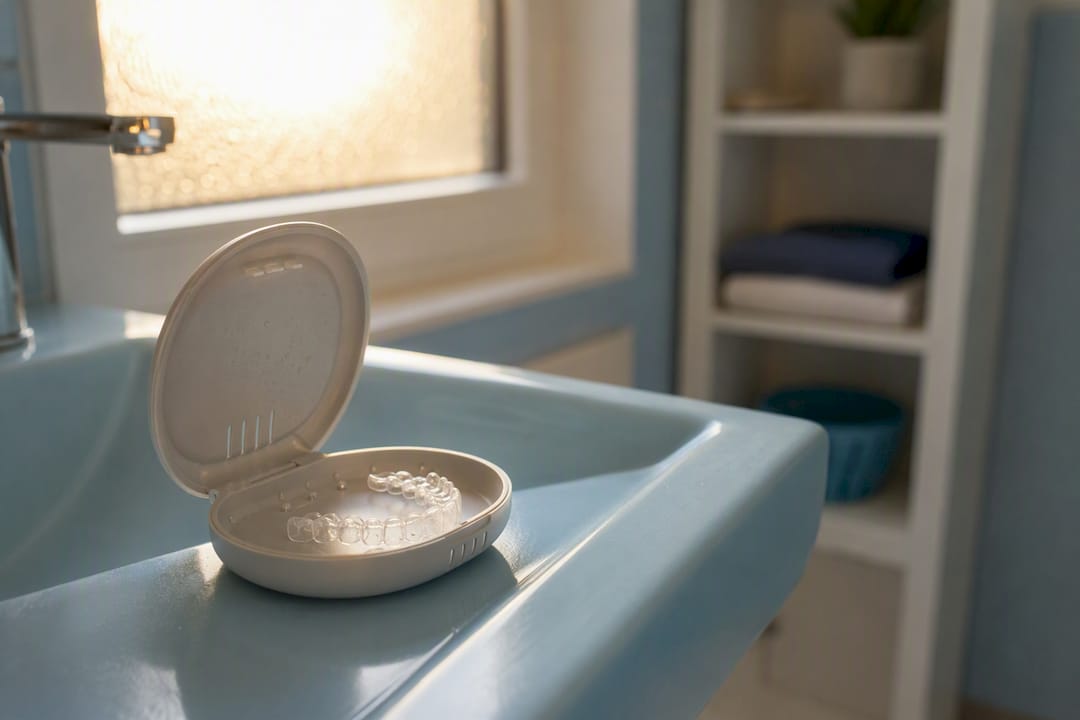
Yes, you need a retainer after Invisalign. Without one, teeth drift back toward their original position, and that shift can start within weeks of stopping aligner wear. The retainer you get depends on your case, but most patients will encounter one of these:
Clear thermoformed retainers (often called Essix-style)
Vivera retainers (Invisalign’s branded clear retainer)
Hawley retainers (acrylic and wire)
Fixed or bonded retainers (a thin wire glued behind your front teeth)
Your next move is simple: talk to your dentist or orthodontist about a personalized retention plan, and ask about getting backup retainers at your delivery appointment like those recommended at Invisalign Kennebunk, York, Saco ME | Starboard Dental.
Key Takeaways
Retention after Invisalign works only when patients pair the right retainer type with consistent wear, because skipping either step lets teeth drift back toward their original position.
Point | Details |
A retainer is required | Every Invisalign case needs a retainer afterward to hold teeth in their new position. |
Wear schedule has two phases | Full-time wear for 3–12 months, then nightly wear indefinitely, is the common protocol. |
Lifespan varies by type | Clear trays last months to a few years; Hawleys and fixed retainers can last a decade or more. |
Backups prevent gaps | Requesting extra removable retainers at delivery avoids relapse while a replacement is made. |
Mersaldental supports the whole process | Fittings, repairs, re-bonding, and replacement retainers from digital records are available with direct insurance billing. |
Table of Contents
Do You Need Retainers After Invisalign, and Which Types Are Common?
Every orthodontic tooth movement, including the kind Invisalign creates with clear aligners, leaves teeth in a position they haven’t held long enough to become permanent. Retainers hold that position while the bone and ligaments around your teeth stabilize. Skipping this step is the single biggest reason people watch their Invisalign results fade.
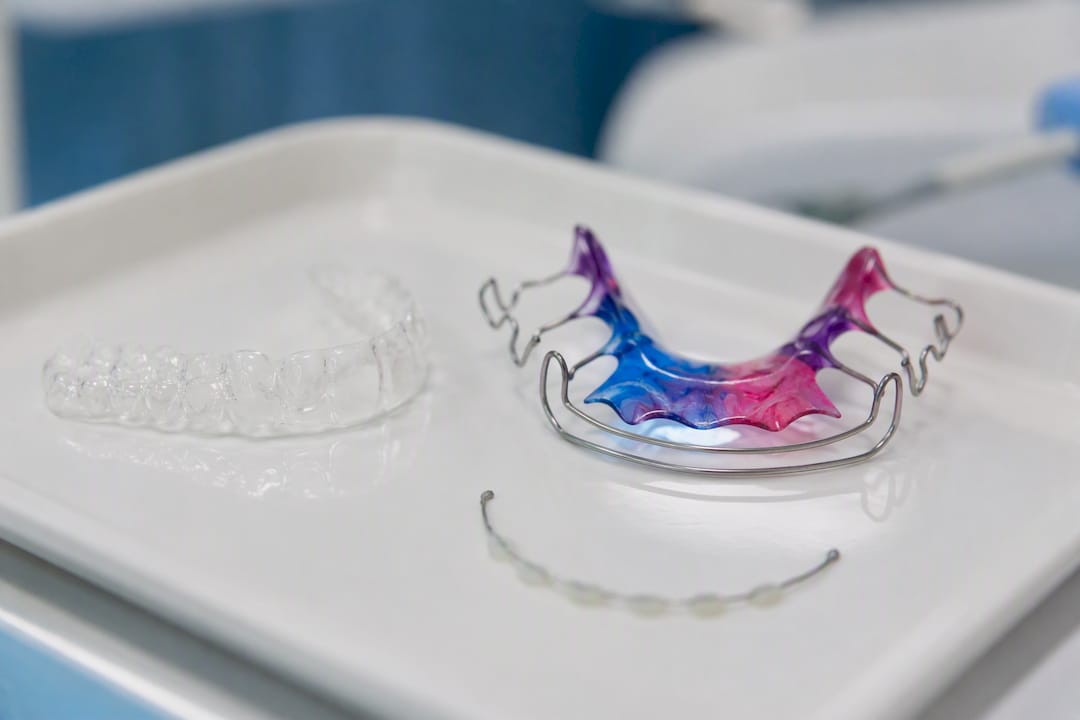
Clear thermoformed retainers (Essix-style) are transparent plastic trays molded to fit your teeth after treatment. They’re nearly invisible, which is why so many patients prefer them, but the plastic wears down and needs periodic replacement.
Vivera retainers, Invisalign’s own retainer product, use a thicker, more rigid material than standard clear retainers. Invisalign markets Vivera as stronger and more durable than many other clear retainer options, and clinics commonly hand patients three or four sets at once since replacement is built into the plan.
Hawley retainers use an acrylic palate or arch piece connected to a metal wire that wraps across the front teeth. They’re bulkier and more visible than clear options, but they tend to outlast them by years and can be adjusted by your provider if minor fit changes are needed.
Fixed (bonded) retainers are thin wires cemented to the back of your lower or upper front teeth. You can’t remove them, which means zero compliance required, but they demand careful flossing and periodic bond checks.
Retainer Type | Visibility | Durability | Cost Range (Per Arch) | Maintenance | Comfort/Speech | Compliance Needed |
Clear/Essix | Nearly invisible | Months to a few years | $100–$300 | Daily rinse and brush | Minimal speech impact | High (removable) |
Vivera | Nearly invisible | Stronger than standard clear trays | Varies by provider | Daily rinse and brush | Minimal speech impact | High (removable) |
Hawley | Visible wire | Several years | $150–$340 | Rinse, occasional soak | Slight speech adjustment initially | High (removable) |
Fixed/bonded | Hidden behind teeth | A decade if bond holds | $225–$550 | Floss threader daily | Tongue awareness at first | None (worn full-time) |
Clinicians tend to reach for fixed retainers when a patient has a documented history of relapse, significant rotations, or spacing that’s prone to reopening. Providers weigh relapse risk and patient reliability before recommending removable versus fixed retention, and it’s common for a dentist to combine both: a bonded wire on the lower arch paired with a removable Vivera or Hawley on top.
How Long to Wear Your Retainer After Invisalign
Most clinicians follow a two-phase schedule: full-time wear at first, then nightly wear for the long haul. Cleveland Clinic outlines this as the standard protocol recommended to prevent relapse after any orthodontic treatment, including Invisalign.
Phase 1: Full-time wear. Wear your retainer roughly 22 hours a day, removing it only to eat and brush, for 3 to 6 months, sometimes up to a year if your case involved more complex movement.
Phase 2: Nightly wear, indefinitely. Once your dentist confirms your bite has stabilized, you shift to sleeping in your retainer. Most providers recommend continuing this for life.
Some cases need longer full-time wear or stricter nightly commitment than others. Watch for these relapse risk factors:
Teeth that started with severe rotations or crowding
Noticeable spacing between teeth before treatment
A tongue-thrust habit or history of thumb-sucking
Previous orthodontic relapse
Nighttime teeth grinding
Natural shifting that comes with aging
If you notice your teeth moving after cutting back on retainer wear, call your provider promptly rather than waiting to see if it resolves. A small shift caught early sometimes needs only a brief refinement; a shift left alone for months can require full retreatment.
How Long Retainers Last and When to Replace Them
Clear trays and Vivera retainers typically hold up for six months to a few years with regular use, depending on how well you clean them and whether you grind your teeth at night. Hawley retainers, built around metal wire and rigid acrylic, often last five to ten years or longer. Fixed retainers can stay bonded for a decade or more, provided the cement holds and nothing peels it loose.
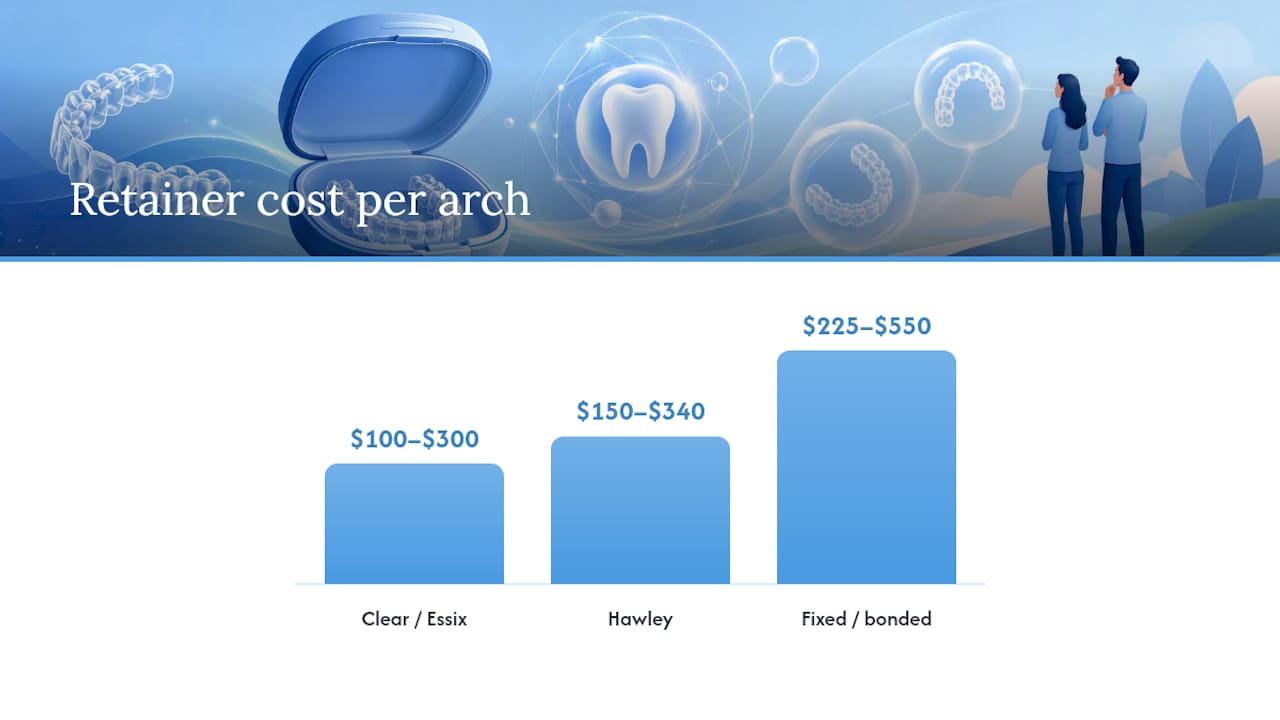
Cost ranges vary by clinic and region, but Invisalign lists estimates of roughly $100–$300 for Essix-style retainers, $150–$340 for Hawleys, and $225–$550 for fixed retainers per arch. Always confirm current pricing with your own provider.
Signs it’s time to replace a retainer:
Visible cracks or a warped shape
Discoloration or cloudiness that won’t clean off
A loose fit or trouble seating it fully
A bonded wire that’s come loose or snapped
Ask for backup removable retainers when you get your first set. Having a spare on hand means you’re never left without protection while a replacement is made.
Daily and Periodic Care for Removable and Fixed Retainers
Rinse your removable retainer under cool water every time you take it out, and brush it gently with a soft toothbrush. Skip hot water and abrasive toothpaste; both can warp clear plastic or scratch the surface, giving bacteria more places to hide. Store it in a ventilated case, never wrapped in a napkin, where it can get thrown away by accident.

Once a week, give it a deeper clean with a retainer cleaning tablet or a soak in diluted mild soap. Avoid household disinfectants or boiling water, both of which can distort the material permanently.
Fixed retainers need a different approach since you can’t take them out. Use a floss threader or a water flosser to clear plaque from around the wire daily, and keep up with routine hygiene visits so buildup doesn’t accumulate where a toothbrush can’t reach.
Pro Tip: Bring your retainer case to hygiene appointments. Mentioning any looseness, a whistling sound during speech, or visible wire movement helps your hygienist spot a problem before it turns into a full debond.
What to Do If Your Retainer Breaks or Goes Missing
Stop wearing a cracked or ill-fitting retainer immediately. Forcing a damaged piece into place can shift teeth in the wrong direction instead of holding them still.
If you have a backup, start wearing it right away and call your provider.
If you don’t have a backup, call within days, not weeks. Teeth can begin drifting quickly without support.
If a bonded wire detaches on one end, avoid chewing near it and call for a re-bonding appointment. Don’t wait, since a partially detached wire can pull adjacent teeth out of alignment.
A small crack in an otherwise well-fitting retainer usually means replacement. A single detached bond point usually means repair. Persistent fit problems mean it’s time for new impressions or scans.
Short gaps of one to two weeks without a retainer are often recoverable. Six months or more without one frequently means retreatment is on the table.
How Retainers Are Made and How Many Sets You Get
Most removable retainers start with either a physical impression or a digital scan of your teeth. Digital scans tend to move faster through the lab and make ordering a replacement far simpler than tracking down an old putty mold.
Appointment for scan or impression, then lab fabrication, typically 7 to 14 days
Delivery appointment where your provider checks fit and reviews your wear schedule
Most clinics supply at least one removable retainer per arch; Vivera is often provided in sets of three or four
Ask for at least one backup set at delivery, or request an extra set to store away for later
Why We Treat Retention as Part of the Invisalign Plan, Not an Afterthought
At Mersaldental, we start talking about retention before Invisalign treatment even wraps up, because patients who understand the plan ahead of time stick with it. For patients with a higher relapse risk, meaning noticeable rotations, spacing, or a history of teeth shifting after prior orthodontics, we often recommend a bonded lower retainer paired with a removable upper retainer rather than relying on one or the other.
We schedule retention reviews at one month, six months, and then fold checks into your annual hygiene visits, and we offer backup removable retainers at the delivery appointment so patients are never caught without protection. If a wire loosens or a tray cracks, we handle repairs, re-bonding, and replacement retainers from digital records already on file, and we bill directly to insurance where coverage applies.
Book a Retention Check or Retainer Repair With Mersaldental
If your retainer feels loose, a wire has come unstuck, or you’re just due for a review, Mersaldental gives you a faster path than waiting weeks for a generalist appointment slot. As the clinic that provided your Invisalign treatment, we already have your digital records on file, which means replacement retainers and repairs move quicker than starting from scratch elsewhere.

We offer same-day checks for broken or ill-fitting retainers, re-bonding for loosened wires, and digital scans to produce new removable retainers or backup sets. Direct insurance billing and CDCP support are available for patients who qualify, so cost doesn’t have to be a barrier to staying on top of your retention plan. If you’re overdue for a hygiene visit, our cleaning appointments are also a good time to have a bonded retainer checked. Book your retention check or repair through Mersal Dental’s booking page to get a fit review scheduled this week.
Frequently Asked Questions
Do I really need a retainer after Invisalign if my teeth look straight? Yes. Straight teeth right after treatment haven’t fully stabilized in the bone. Skipping a retainer, even for a short window, is the most common reason Invisalign results reverse.
How long do I have to wear retainers after Invisalign? Most people wear their retainer full-time for 3 to 12 months, then shift to nightly wear indefinitely, based on Cleveland Clinic’s standard retention guidance.
Which type of retainer is best after Invisalign? There’s no single best option. Clear and Vivera retainers suit patients who want something discreet; Hawleys offer more durability; fixed retainers work well for higher relapse risk since they require no daily compliance.
What happens if I lose my retainer? Call your provider within days. If you have a backup, start wearing it immediately. Waiting weeks without any retention increases the chance teeth will shift enough to need retreatment.
This article is general information, not a substitute for advice from a qualified doctor. Consult a qualified healthcare professional about your own circumstances before acting on anything here.
Sources
Recommended
Comments