One Visit to Whiter Teeth: Canadian Dentist Whitening Options

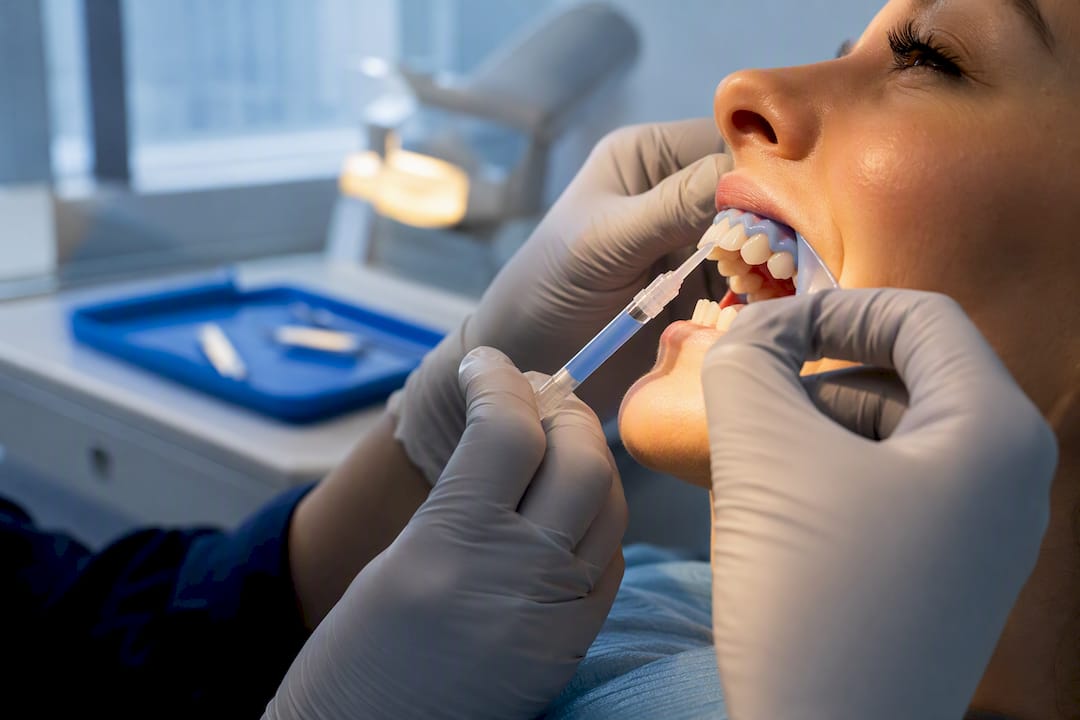
Professional peroxide bleaching, done in the dental chair or through dentist-prescribed take-home trays, delivers the most reliable and longest-lasting shade improvement of all teeth whitening options. Over-the-counter strips and whitening toothpaste can lift surface stains for a smaller budget, but the results fade faster and rarely match a professional shade change. Skip acidic or abrasive DIY hacks entirely, and if you have crowns, veneers, or fillings on your front teeth, talk to a dentist before you start. Those restorations will not whiten no matter which product you buy.
TL;DR:
Professional in-office bleaching or dentist-prescribed trays deliver the most dramatic and long-lasting results, typically lasting six months to a year with proper maintenance.
Over-the-counter strips and gels show results within two weeks but tend to fade faster, especially for coffee and wine drinkers requiring more frequent touch-ups.
Bleaching effectiveness depends on peroxide concentration and contact time, with higher levels producing faster, deeper shade changes but increasing sensitivity risks.
Existing crowns, veneers, and fillings will not whiten, making pre-treatment dental exams essential for accurate shade matching.
DIY trends involving acids or abrasives, like charcoal or lemon juice, are unsafe and can damage tooth enamel without providing genuine whitening benefits.
Table of Contents
Comparing Teeth Whitening Options at a Glance
Every method on the market falls into one of two buckets: surface cleaning or chemical bleaching. Whitening toothpaste and polishing tools only lift stains sitting on the enamel surface. Peroxide-based products, whether from a pharmacy shelf or a dental office, change the color of the tooth itself.
Here’s how the common categories stack up on speed, results, and price:
Whitening toothpaste: Weeks of daily use for modest surface-stain removal. Low cost, but it won’t touch the tooth’s underlying shade.
OTC strips and gels: Visible change in one to two weeks with consistent use. Low to moderate cost, moderate shade improvement.
LED or light-activated kits: Marketed for faster results within days, though the light itself adds less than advertised. Low to moderate cost.
Paint-on whitening pens: Best for quick touch-ups on a few teeth. Low cost, limited and short-lived effect.
Dentist-prescribed take-home trays: Two to three weeks of nightly wear for a dramatic, even shade change. Moderate to higher cost.
In-office bleaching: A single appointment, often one to two shades brighter immediately. Highest cost, fastest result.
Budget and patience matter as much as the chemistry. If you need whiter teeth for an event next week, in-office treatment or custom take-home trays fit that timeline. If you’re maintaining a smile you already like, a whitening toothpaste might be all you need.
How Do Whitening Methods Actually Work?
Bleaching and stain removal are not the same process, even though marketing often blurs the line. The Canadian Dental Association draws a clear distinction: surface whitening scrubs away extrinsic stains from coffee, wine, or tobacco, while bleaching uses hydrogen peroxide or carbamide peroxide to break down the pigmented compounds inside the tooth structure.
Concentration and contact time drive the outcome. A higher peroxide percentage left on the teeth longer penetrates deeper into the enamel and dentin, producing a bigger shade change. That’s the basic tradeoff behind every whitening decision: more strength and more time mean better results, but also a higher chance of sensitivity.
The clinical evidence backs a clear hierarchy. A randomized controlled trial (ISRCTN23096480) compared conventional at-home whitening using 20% carbamide peroxide against two over-the-counter systems. The dentist-prescribed protocol produced a greater shade change and held up better at the six-month mark than either OTC option.
The trade-off in one trial: The carbamide peroxide group achieved a larger, more stable shade improvement over six months, but also reported more transient tooth sensitivity than the OTC groups tested in the same study.
A whitening toothpaste sits at the other end of that spectrum. It can reduce surface stain buildup more than a regular toothpaste, but it doesn’t reach the same underlying shade change that peroxide bleaching achieves, since it never penetrates past the enamel surface.
Bleaching also has real limits worth knowing before you spend money:
Tetracycline staining and enamel hypoplasia often resist bleaching and may need veneers or bonding instead.
Existing restorations such as crowns, veneers, and fillings will not change color, regardless of the product or concentration used.
Light or laser activation shows mixed results. A 2024 review found some acceleration of whitening under certain wavelengths, but outcomes varied enough by laser type and parameters that it’s not a guaranteed upgrade.
Why Do Teeth Get Sensitive During Whitening?
Peroxide temporarily opens microscopic channels in the dentin, which lets fluid move and irritates the nerve inside the tooth. That’s why sensitivity to cold air or cold drinks is the most common side effect of any bleaching method, professional or store-bought. Gum irritation happens separately, usually when whitening gel leaks past an ill-fitting tray or strip and touches soft tissue.
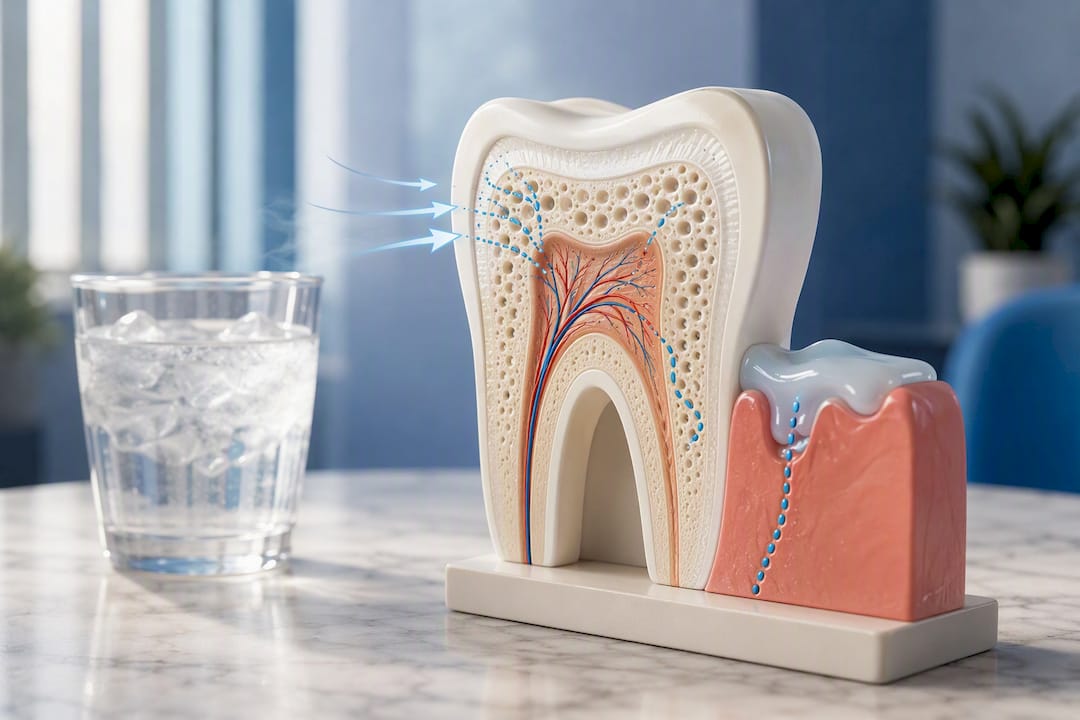
Higher concentrations and longer wear times raise both risks. Dentists manage this by adjusting the peroxide concentration, shortening wear time, or adding desensitizing agents rather than stopping treatment outright.
Practical ways to keep sensitivity manageable:
Use a custom-fitted tray instead of a boil-and-bite kit, which spreads gel more evenly and keeps it off the gums.
Switch to a desensitizing toothpaste containing potassium nitrate a week before starting.
Space out sessions instead of whitening every consecutive night.
Pause treatment for a day or two if sensitivity becomes sharp rather than mild.
Pro Tip: If you notice sensitivity building after a few nights, don’t push through it. Skip a night, let the desensitizing toothpaste do its work, then resume at a shorter wear time.
Skip trend-driven home remedies altogether. Activated charcoal, lemon juice, and apple cider vinegar are acidic or abrasive enough to erode enamel while producing little real whitening. Cleveland Clinic and other patient-safety coverage both warn against these DIY approaches for exactly that reason. For a rundown of gentler techniques, our guide to whitening teeth without hurting enamel covers the safer alternatives.
What Does Teeth Whitening Cost and How Long Does It Last?
Price tracks almost exactly with how dramatic and durable the result is. Whitening toothpaste and OTC strips sit at the low end, typically the cheapest entry point into whitening. Dentist-prescribed take-home trays cost more but deliver a bigger, more even shade change you control over several weeks. In-office bleaching commands the highest price because you’re paying for a single supervised visit with immediate results.
Cost within each category varies by clinic, region, and whether the technology includes light activation. Ask for the price upfront rather than assuming a flat rate across every dental office.
Results are never permanent. Johns Hopkins Medicine notes that lifestyle habits like coffee and smoking accelerate relapse, pulling your shade back toward baseline faster than if you avoided staining foods and drinks.
In-office results typically hold six months to a year before a touch-up is worth considering.
Take-home tray results tend to last longer, especially with occasional maintenance nights.
OTC strip results often fade within a few months, particularly for coffee or red wine drinkers.
Plan for at least two to three weeks of lead time if you’re whitening before a big event, longer if you’re using take-home trays. Our realistic timeline for teeth whitening longevity breaks down what accelerates or delays relapse in more detail.
Are You a Good Candidate for Whitening?
Not every smile responds to bleaching, and that’s worth knowing before you spend money on any product. Restorations are the biggest wildcard: crowns, veneers, and fillings on visible teeth stay exactly the shade they were made in. The Canadian Dental Association recommends whitening your natural teeth first, letting the new shade stabilize, then matching or replacing restorations to fit. Doing it the other way around leaves you with a mismatched smile.
A few situations call for caution or a delay:
Active cavities or untreated gum disease should be treated before whitening, since peroxide can aggravate exposed tissue.
Pregnant patients are generally advised to defer whitening until after delivery.
Children under the age recommended by their dentist typically aren’t candidates for bleaching.
Anyone with uncontrolled or chronic sensitivity needs a modified protocol, not a standard one.
A dental exam before you start checks your baseline shade, screens for decay or gum issues, and flags restorations that need special planning. Skipping that step is how people end up disappointed or in discomfort.
How to Choose the Right Whitening Option
Match the method to your actual goal instead of the flashiest product on the shelf. A wedding in ten days calls for a different plan than touch-up maintenance you do twice a year.
Define your timeline and target shade. Fast, dramatic change points toward in-office treatment; gradual improvement works fine with trays or strips.
Check the active ingredient and concentration on any product label. If it isn’t listed clearly, that’s a red flag on its own.
Ask about wear time and expected shade change before committing to a take-home protocol, and get a realistic range rather than a marketing promise.
Confirm restorations won’t be part of the plan to whiten, since crowns and veneers won’t respond no matter what the seller claims.
Watch for unrealistic promises, like guaranteed shade jumps with no supervision or vague “natural” ingredient claims on DIY kits.
Pro Tip: If a product’s packaging skips the peroxide percentage entirely, treat that as a warning sign rather than a selling point. Legitimate whitening products state their active ingredient and concentration clearly.
A Clinical Take on Safe Whitening
At Mersaldental, an exam always comes before a whitening recommendation. We check for existing restorations, chart your current shade, and talk through sensitivity history so the plan fits your mouth, not a generic protocol. Depending on your goals, that might mean in-office bleaching for a fast result or custom take-home trays for gradual, controlled whitening with less sensitivity risk. Either way, gum protection and informed consent come first, every time.
— Mersal
Ready for a Whiter Smile You Can Trust?
Reading about peroxide concentrations and shade charts only gets you so far. At some point, the fastest and safest route to a noticeably brighter smile is sitting in a dentist’s chair with someone checking your restorations, your gums, and your sensitivity history before any gel touches your teeth. That’s exactly what Mersaldental’s teeth whitening service is built around, offering both in-office bleaching and custom take-home trays depending on your timeline and comfort level.
This dental office accepts new patients, bills insurance directly including CDCP and IFHP, and can often get patients seen the same day if they have sensitivity or an urgent dental concern alongside whitening goals. Before your visit, jot down any crowns, veneers, or fillings on your front teeth and note when sensitivity has flared up in the past. That short list helps us build a whitening plan around your mouth instead of a one-size-fits-all protocol. If you’re new to the practice, start with our new patient booking page to schedule a consultation and get your questions answered before treatment begins.
Sources
For deeper reading, Health Canada’s peroxide safety guidance, the ISRCTN23096480 clinical trial, and this patient guide on safe whitening methods cover the regulatory and clinical detail behind this article.
This article is general information, not a substitute for advice from a qualified doctor. Consult a qualified healthcare professional about your own circumstances before acting on anything here.
FAQ
What Is the Most Effective Teeth Whitening Method?
Dentist-supervised bleaching, whether in-office or through prescribed take-home trays, produces the largest and most stable shade change. A randomized trial found conventional 20% carbamide peroxide at-home treatment outperformed two OTC systems on both shade improvement and six-month stability.
What Is the Best Option for Teeth Whitening if I Have Sensitive Teeth?
Custom-fitted take-home trays from a dentist typically work best for sensitive teeth, since the concentration, wear time, and desensitizing steps can be adjusted to your comfort level. Mersaldental’s custom whitening trays are fitted specifically for this reason, and pairing them with a desensitizing toothpaste beforehand reduces discomfort further.
Can Yellow Teeth Actually Be Whitened?
Yes, in most cases. Yellow discoloration from surface stains or age-related dentin changes generally responds well to peroxide bleaching, though tetracycline staining and enamel hypoplasia respond less predictably and may need veneers or bonding instead, according to Canadian Dental Association guidance.
How Do Influencers Get Their Teeth So White?
Much of that camera-ready white comes from professional in-office bleaching, veneers, or bonding rather than any OTC product they might promote. Restorations like veneers don’t change color the way natural teeth do, so a very uniform, bright smile is often restorative work layered on top of whitening, not whitening alone.
Is Laser Teeth Whitening Better Than Regular Bleaching?
Not necessarily. A 2024 review of laser-assisted bleaching found mixed results depending on laser type and settings, meaning light activation doesn’t guarantee a stronger outcome than standard in-office or take-home peroxide protocols.
Recommended
Comments