Treatment for Sensitive Teeth: Relief Options That Work

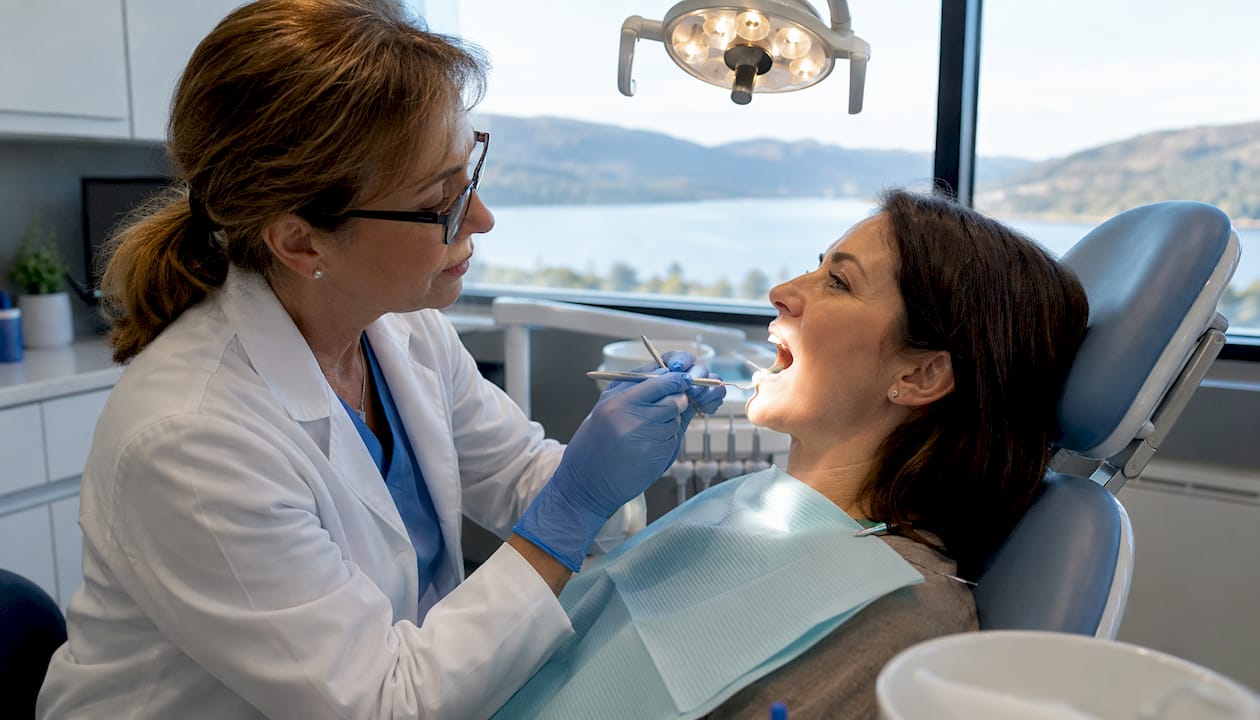
Most people with sensitive teeth get meaningful, safe relief from daily desensitizing toothpaste combined with a few simple habit changes. When that is not enough, a dentist can apply fluoride varnish, place a protective sealant or bonding, or address exposed roots with a gum graft. Root canal therapy is reserved for irreversible pulp disease, not routine sensitivity.
Start here if you are in pain right now:
Try a desensitizing toothpaste first. Use it twice daily and leave it on your teeth for a minute before rinsing. Relief builds over days to weeks, not after a single brushing.
Switch to a soft-bristled brush and avoid scrubbing hard near the gumline.
Avoid acidic drinks for a few days, or use a straw to limit contact with teeth.
See a dentist promptly if you have sharp or constant pain, pain that wakes you at night, visible swelling, or pain following an injury. These are red flags that need professional diagnosis, not more toothpaste.
Table of Contents
What causes tooth sensitivity and why it matters for choosing a treatment
Over-the-counter treatment options and how to use them effectively
Professional treatments: what dentists offer and how they compare
How dentists diagnose the cause and when you need urgent care
Everyday habits that reduce sensitivity and protect your treatment results
Why occluding agents work better than nerve-calming products
What causes tooth sensitivity and why it matters for choosing a treatment
Sensitivity is a symptom, not a diagnosis on its own. The right treatment depends entirely on what is causing it, which is why identifying the source matters before committing to any remedy.
Enamel loss and exposed dentin are the most common culprits. Enamel erosion from acidic foods and drinks, or abrasion from aggressive brushing, wears away the outer tooth surface and leaves the underlying dentin exposed. Dentin contains microscopic channels called tubules that connect to the nerve. When those tubules are open, temperature changes, sweet foods, or even air can trigger a sharp jolt of pain. Treatments that physically block those tubules, such as fluoride or arginine-based products, tend to work best here.
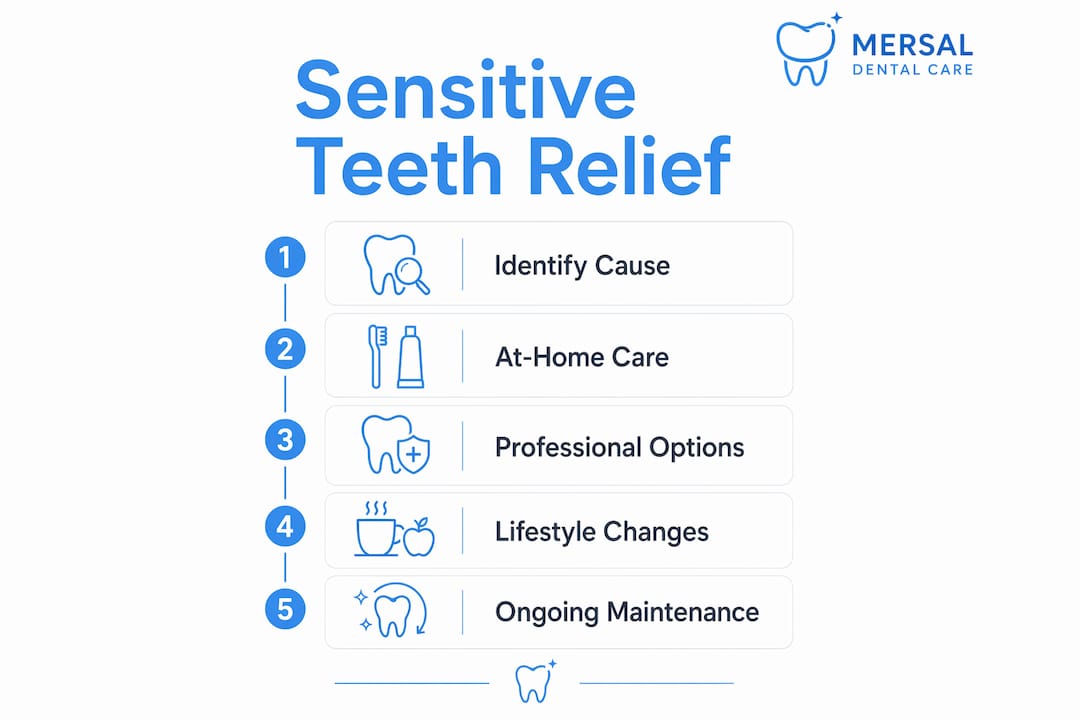
Gum recession exposes the root surface, which has no enamel protection at all. This type of sensitivity is often more persistent and may require a restorative approach or, in more advanced cases, a gum graft.
Cavities, cracks, and recent dental work can all cause sensitivity that mimics simple dentin hypersensitivity. A new filling or crown may cause temporary sensitivity for a few weeks. A cracked tooth or untreated cavity, though, will not improve with toothpaste alone and needs restorative care.
Bruxism (teeth grinding) gradually wears down enamel across multiple teeth, often overnight. Patients who grind may notice sensitivity spreading to several teeth at once. A night guard protects the enamel from further damage, but it does not reverse what has already been lost.
Pro Tip: If your sensitivity appeared suddenly across multiple teeth after a whitening treatment, it is usually temporary. Post-whitening sensitivity typically resolves within 24–72 hours. Check out our guide on whitening without enamel damage for safer approaches.
Over-the-counter treatment options and how to use them effectively
At-home products are the right first step for most people with mild to moderate sensitivity. They are safe, affordable, and effective when used correctly.
Desensitizing toothpastes
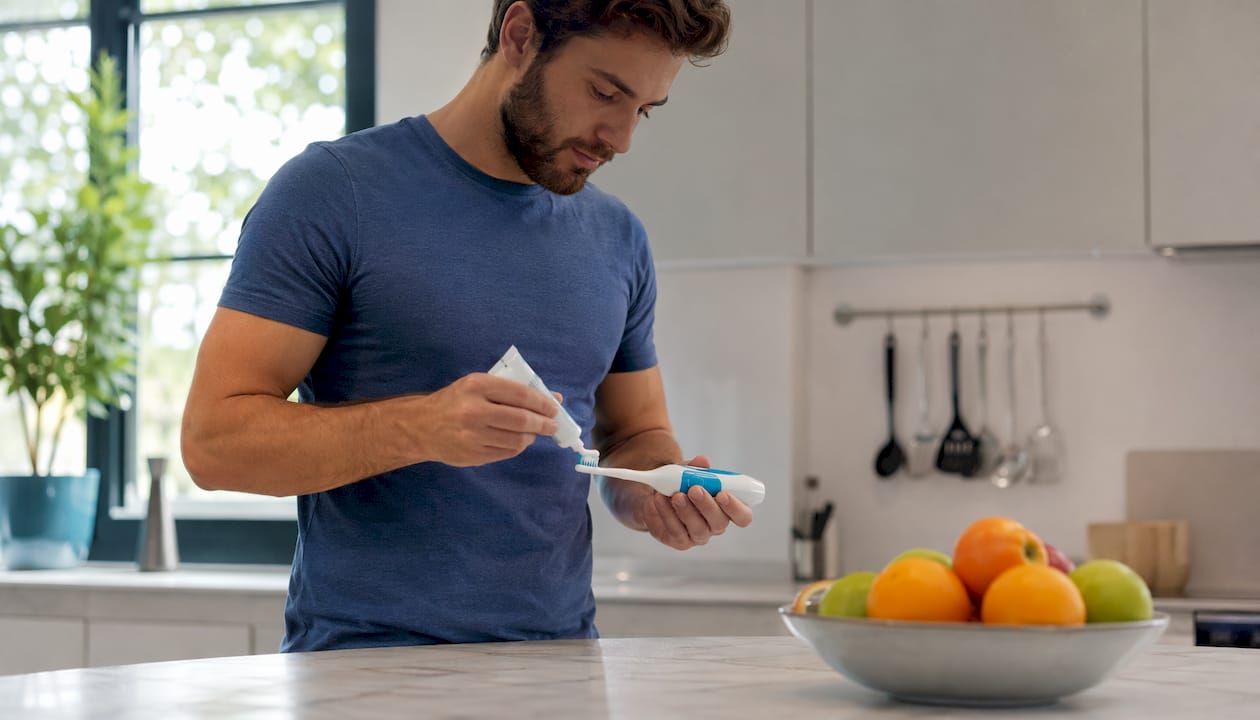
These are the most widely used sensitive teeth home treatment, and for good reason. They work through two distinct mechanisms. Formulas containing arginine and calcium carbonate or stannous fluoride physically occlude open dentinal tubules, creating a mineral plug that blocks the pain signal. Formulas with potassium nitrate work differently, attempting to reduce nerve excitability over time. Clinical evidence consistently shows that tubule-occluding agents produce more reliable results than potassium-based products alone.
The key is consistency. Benefits are cumulative and require daily use over days to weeks. Leaving a small amount on the teeth after brushing, rather than rinsing immediately, improves contact time and speeds up results.
Product Type | Active Ingredient | Mechanism | Best For | Timeline |
Desensitizing toothpaste | Arginine/calcium carbonate | Tubule occlusion | Enamel wear, exposed dentin | 2 weeks daily use |
Desensitizing toothpaste | Stannous fluoride | Tubule occlusion + enamel strengthening | Enamel erosion, gum recession | 2 weeks daily use |
Desensitizing toothpaste | Potassium nitrate | Nerve calming | Mild generalized sensitivity | weeks; variable results |
Fluoride mouthrinse | Sodium fluoride | Enamel remineralization | Early erosion, post-whitening | 2–6 weeks |
Desensitizing gel | Potassium/fluoride blend | Tubule occlusion + nerve calming | Spot treatment, post-whitening | Days to weeks |
Mouthwashes and topical gels
A fluoride mouthwash for sensitive teeth can complement your toothpaste routine, especially if you have generalized sensitivity or early enamel erosion. Swish for 60 seconds after brushing and avoid eating or drinking for 30 minutes afterward. Topical desensitizing gels are useful for spot treatment on a specific tooth, particularly after whitening.
Pairing OTC products with behavior changes
Products alone will not hold if the underlying habit is still causing damage. Use a soft-bristled brush with gentle, circular strokes rather than horizontal scrubbing. Choose a low-abrasivity toothpaste (look for a Relative Dentin Abrasivity, or RDA, value under 70). Limit acidic drinks like citrus juice and soda, and when you do have them, use a straw and rinse with water afterward. These changes protect the progress your toothpaste is making.
Professional treatments: what dentists offer and how they compare
When at-home products are not giving you enough relief, or when the cause of your sensitivity requires a physical fix, a dentist has several effective options.
Professional fluoride varnish and in-office desensitizing agents
Fluoride varnish is one of the most common in-office treatments for sensitivity. A dentist paints a concentrated fluoride solution directly onto the sensitive areas. It sets quickly, and many patients notice improvement within a day or two. The effect may require repeat applications every three to six months, particularly for patients with ongoing gum recession or erosion. Oxalate-based agents and silver diamine fluoride are additional in-office options that work by forming a mineral precipitate inside the tubules.
Dental bonding, sealants, and cervical restorations
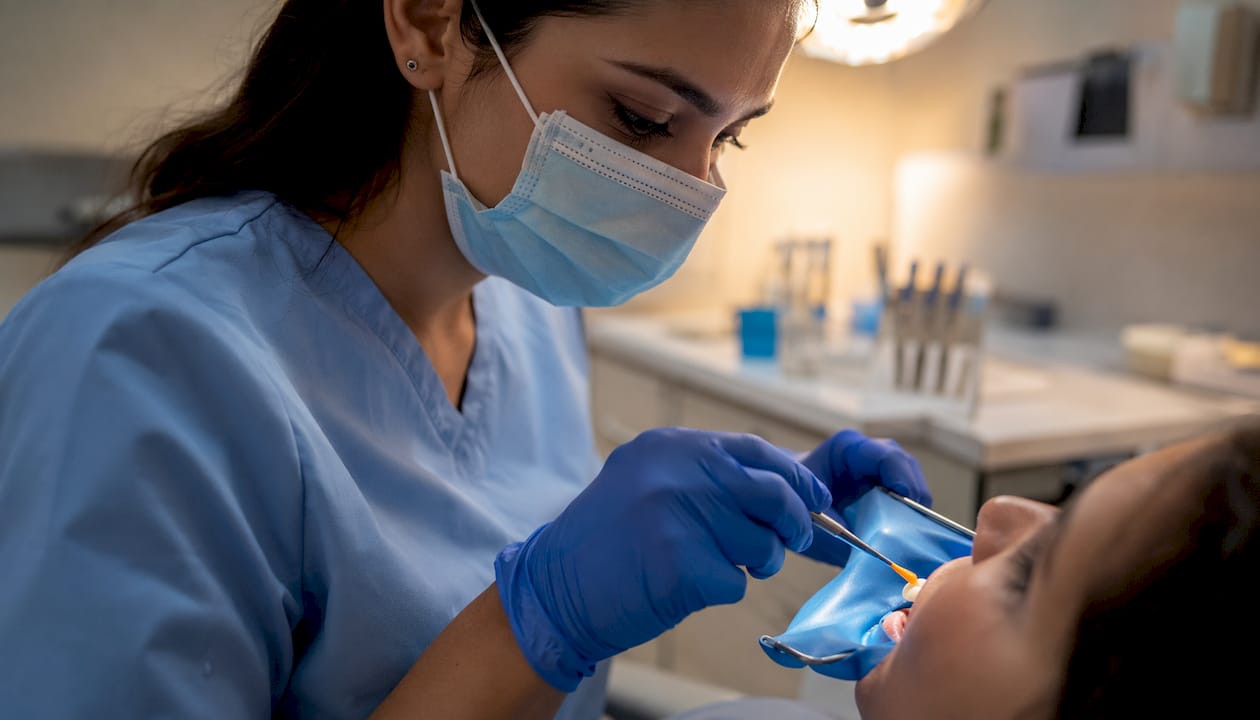
When exposed dentin is localized to a specific area, such as a notch at the gumline, a dentist can place a small composite resin or glass ionomer restoration directly over it. Glass ionomer is particularly useful here because it bonds well to dentin and continues releasing fluoride after placement. This approach often provides faster relief than toothpaste for focal sensitivity and is more durable. Sealants serve a similar protective role on biting surfaces.
Pro Tip: If you have a visible notch or groove at the gumline of a sensitive tooth, ask your dentist specifically about a cervical restoration. It is often a quicker and more lasting fix than months of toothpaste use alone.
Crowns
A dental crown may be appropriate when a tooth has significant structural damage, a large crack, or a failing restoration that is contributing to sensitivity. Crowns cover the entire tooth surface and eliminate exposure of the underlying dentin. They are a restorative solution rather than a sensitivity-specific one, but they can resolve sensitivity as a secondary benefit.
Gum grafting for exposed roots
When gum recession has left a significant portion of the root exposed, a periodontal graft can cover that surface and restore a natural gumline. This is considered a last-resort option for sensitivity caused by recession, used after conservative measures have been tried. Recovery typically takes two to four weeks, and the sensitivity relief is usually substantial and long-lasting. Patients with gum disease affecting implant candidacy may also benefit from grafting as part of broader periodontal care.
Root canal therapy
Root canal therapy60601-2/fulltext) eliminates sensitivity by removing the pulp tissue inside the tooth entirely. It is effective, but it is not a treatment for routine dentin hypersensitivity. It is only appropriate when a dentist diagnoses irreversible pulpitis, pulp necrosis, or when all other measures have failed and the pain is severe and constant. Most people with sensitive teeth will never need a root canal for sensitivity alone.
Treatment | Indication | Mechanism | Speed of Relief | Duration | Insurance Coverage |
Fluoride varnish | Enamel erosion, mild recession | Tubule occlusion | days | Months; may repeat | Often covered |
Bonding/cervical restoration | Focal exposed dentin | Physical barrier | Days | Years with good care | Often covered |
Dental sealant | Biting surface exposure | Physical barrier | Days | — | Often covered for children |
Crown | Structural damage, large crack | Full coverage | Days–weeks | — | Often covered (partial) |
Gum graft | Significant root exposure | Tissue coverage | 2 weeks | Long-term | Varies; often partial |
Root canal | Irreversible pulpitis, necrosis | Pulp removal | Days | Permanent | Often covered (partial) |
How dentists diagnose the cause and when you need urgent care
A dental exam for sensitivity is straightforward and usually completed in a single visit. Your dentist will visually inspect each tooth, probe the gumline to check for recession, and test each sensitive tooth with a cold stimulus or air. A bite check identifies cracks or uneven pressure. Transillumination, where a bright light is shone through the tooth, can reveal fractures that are invisible to the naked eye. Dental X-rays rule out decay, bone loss, or pulp involvement.
This diagnostic step matters more than most patients realize. Sensitivity is a symptom, not a diagnosis60601-2/fulltext), and treating it without knowing the cause can mean months of ineffective self-treatment while an underlying cavity or crack quietly worsens.
Seek care the same day or within 24 hours if you notice any of these:
Pain that is constant, aching, or throbbing rather than sharp and brief
Sensitivity that lingers for more than 30 seconds after the trigger is removed
Pain that wakes you up at night
Visible swelling in the gum or jaw
A tooth that recently suffered a chip, crack, or impact
Sensitivity that appeared after a new filling or crown and has not improved after two weeks
These signs suggest pulp involvement, infection, or structural damage that toothpaste will not address. If you experience tooth pain when biting down, that is another signal worth investigating promptly.
Clinical note: There are no universally accepted diagnostic guidelines for dentin hypersensitivity. Management strategies consistently emphasize ruling out other causes first, then starting with the least invasive treatment and escalating only when needed. — BMC Oral Health
Everyday habits that reduce sensitivity and protect your treatment results
Treatment works best when the habits causing sensitivity are also addressed. These changes are practical and backed by clinical guidance.
Diet and acid exposure:
Limit citrus juice, soda, sports drinks, and vinegar-based foods.
When you do have acidic drinks, use a straw to reduce contact with teeth.
Rinse with water immediately after acid exposure. Wait 30 minutes before brushing.
Dairy products and water are the safest choices for enamel.
Brushing technique:
Use a soft-bristled brush and replace it every three to four months.
Brush with gentle, circular strokes. Avoid horizontal scrubbing near the gumline.
Choose a toothpaste with a low RDA value. Whitening toothpastes are often more abrasive and can worsen sensitivity with daily use.
Managing bruxism:
A custom night guard from your dentist fits precisely over your teeth and prevents the grinding forces that wear enamel overnight. Over-the-counter guards exist, but they are bulkier and less comfortable for long-term use. If you clench during the day as well, stress reduction techniques and awareness exercises can help reduce the habit.
Regular professional cleanings:
Professional cleanings remove tartar buildup that contributes to gum recession and allow your dentist to catch early signs of erosion or decay before they become bigger problems. Twice-yearly visits are standard for most patients.
Pro Tip: After any whitening treatment, switch to a desensitizing toothpaste for at least two weeks. The whitening process temporarily opens dentinal tubules, and a remineralizing toothpaste helps close them faster.
Why occluding agents work better than nerve-calming products
Understanding why one type of desensitizing product outperforms another helps you make a smarter choice at the pharmacy.
The leading explanation for dentin hypersensitivity is the hydrodynamic theory: fluid inside the dentinal tubules moves in response to temperature, pressure, or osmotic changes, and that movement stimulates the nerve at the pulp end of the tubule. Blocking the tubule physically stops that fluid movement and stops the pain signal before it starts.
Systematic reviews show that occluding agents, including strontium compounds, fluoride, oxalates, and arginine-calcium carbonate, produce measurable, statistically significant reductions in hypersensitivity compared with placebo. Potassium salts, which are supposed to reduce nerve excitability directly, have shown more variable results in trials, and recent evidence suggests their effect may be largely placebo-driven.
“Most desensitizing agents reduce symptoms by occluding tubules. Potassium’s direct nerve effect has mixed evidence in clinical trials, and modern practice increasingly favors agents that create a physical barrier.” — PMC, Non-surgical management of tooth hypersensitivity
The practical takeaway: when choosing a sensitive teeth toothpaste, look for stannous fluoride or arginine-calcium carbonate as the active ingredient rather than potassium nitrate alone. For in-office care, fluoride varnish, oxalate agents, and restorations all work through the same physical-barrier principle and tend to deliver faster, more reliable results.
How long relief takes and what treatments typically cost
Setting realistic expectations prevents frustration and helps you decide when to escalate to professional care.
Treatment | Typical Time to Relief | Typical Cost Range (US) | Insurance Notes |
Desensitizing toothpaste | 2 weeks of daily use | $8 per tube | Not covered (OTC) |
Fluoride mouthrinse | 2–6 weeks | $6 per bottle | Not covered (OTC) |
In-office fluoride varnish | days | $25 per application | Often covered under preventive benefits |
Dental bonding/cervical restoration | Days | $150 per tooth | Often covered under basic restorative |
Dental crown | Days–2 weeks | $1,000 per tooth | Often partially covered |
Gum graft | 2 weeks | $600 per site | Varies; often partially covered |
Root canal | Days | $700 per tooth | Often partially covered |
Night guard (custom) | Immediate protection | $300 | Varies; often covered under major benefits |
Cost ranges reflect general US market estimates and will vary by location, provider, and insurance plan. Always verify your specific benefits and ask about preauthorization before scheduling restorative or surgical procedures. Patients covered under the Canadian Dental Care Plan (CDCP) or IFHP should confirm which procedures are included under their plan.
This article is for general information only. Confirm current coverage and treatment recommendations with your dentist or insurance provider for your specific situation.
Key Takeaways
Desensitizing toothpaste with a tubule-occluding ingredient is the safest, most accessible first step for most people, but persistent or severe sensitivity needs professional diagnosis before it gets worse.
Point | Details |
Start with OTC toothpaste | Use stannous fluoride or arginine-calcium carbonate daily for 2 weeks before escalating. |
Match treatment to cause | Gum recession, cracks, and cavities need professional care; toothpaste alone will not fix them. |
Red flags need same-day care | Constant pain, swelling, or post-trauma sensitivity require a dental exam, not more home treatment. |
In-office options are faster | Fluoride varnish, bonding, and restorations provide quicker and more durable relief than OTC products for structural causes. |
Mersaldental offers full care | Mersaldental in Ottawa provides in-office fluoride, bonding, gum care, night guards, and same-day emergency visits for patients with sensitivity. |
A perspective from Mersal Dental
The patients we see most often for sensitivity fall into two groups. The first group has been using a desensitizing toothpaste for months with partial relief, not realizing that a small notch at the gumline or early gum recession is the actual problem. The second group has been putting off a visit because the pain comes and goes, and they assume it will resolve on its own.
What we find, consistently, is that sensitivity responds well to treatment when the cause is identified early. A thorough exam takes about 20 minutes and usually tells us everything we need to know. From there, most patients start with the most conservative option available, whether that is a professional fluoride application, a small bonding restoration, or a custom night guard, and only move to more involved care if those steps are not enough.
We also handle insurance directly, including CDCP and IFHP, so patients are not left navigating that process alone. If your sensitivity is sharp, constant, or getting worse, we offer same-day appointments for urgent cases. You do not need to wait it out.
Sensitive teeth? Mersaldental is ready to help
Sharp pain from a cold drink or a sweet bite is not something you should just live with. At Mersaldental in Ottawa, we offer the full range of treatments discussed in this article, including in-office fluoride varnish, composite bonding and cervical restorations, crowns and bridges for structurally compromised teeth, custom night guards for bruxism, periodontal care and gum grafting for recession, and root canal therapy when it is genuinely needed.

We accept new patients, bill insurance directly, and work with CDCP and IFHP programs. For patients in acute pain, same-day and emergency appointments are available. When you come in, bring your insurance information and a brief list of which teeth are sensitive and what triggers the pain. That gives us a head start on diagnosis and means you spend less time in the chair before we have a plan.
Ready to get comfortable again? Book your appointment at Mersaldental today.
Useful sources and further reading
The following sources informed this article and are worth reviewing if you want to go deeper on any topic covered here.
Non-surgical management of tooth hypersensitivity — PMC (National Library of Medicine): A clinical review covering mechanisms, OTC and in-office treatments, and evidence quality for desensitizing agents.
Preventing and treating tooth sensitivity — Journal of the American Dental Association (JADA)60601-2/fulltext): Professional guidance on brushing, fluoride, and when root canal is appropriate.
Sensitive teeth: What treatments are available? — Mayo Clinic: Accessible expert answers on causes, home care, and professional options.
Pathogenesis, diagnosis and management of dentin hypersensitivity — BMC Oral Health: Evidence-based overview of the hydrodynamic theory, diagnostic challenges, and treatment escalation.
Sensitive teeth: Causes, treatment and prevention — Cleveland Clinic: Patient-friendly summary of causes and protective measures including night guards.
If any of these topics raise questions specific to your situation, bring them to your next dental visit. A dentist can apply this evidence to your teeth directly.
Recommended
Comments