Smoking and Dental Implants: What Smokers Need to Know
- Mayde Mersal
- Aug 10
- 11 min read

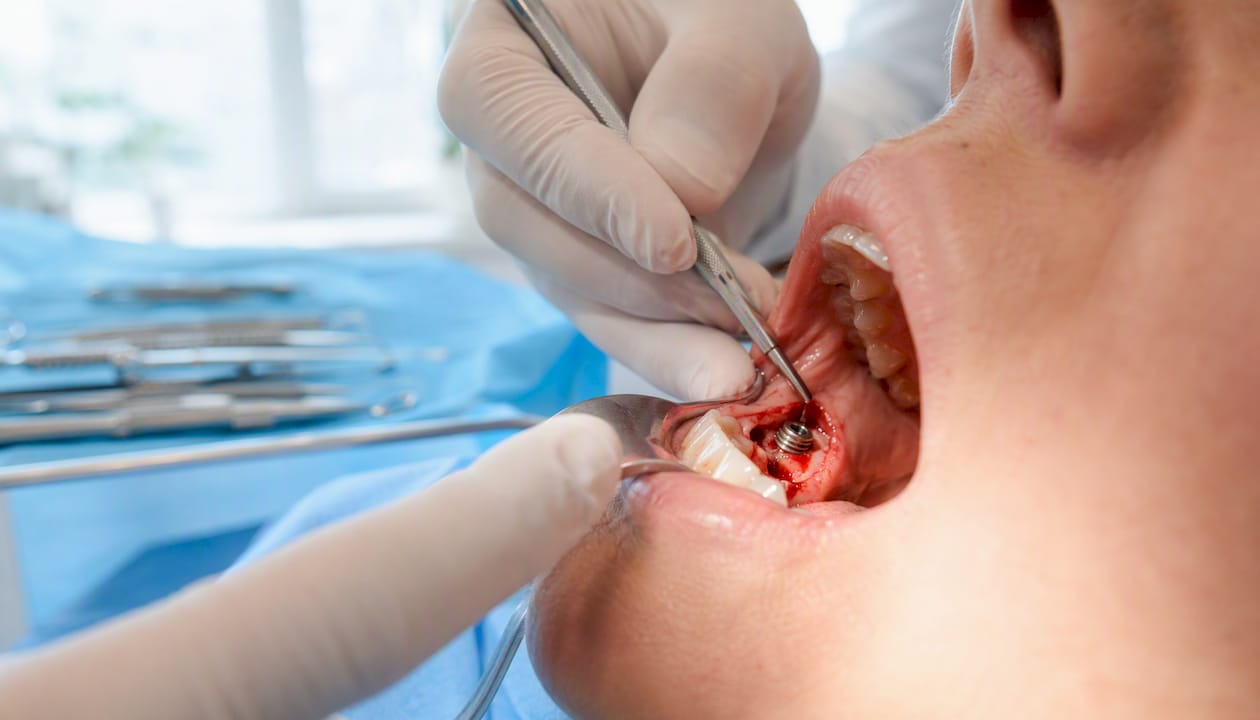
Smoking raises the risk that your dental implant will fail and significantly slows the healing process. The single most important step you can take is to stop smoking before surgery and avoid tobacco during the critical healing window after placement. A pooled meta-analysis found that implants placed in smokers carry a substantially higher failure risk compared to implants placed in non-smokers.
Here is what you should do right now:
Stop smoking before surgery. Quitting at least 2–4 weeks before your procedure gives tissues a meaningful head start on healing.
Avoid all tobacco for at least 72 hours after surgery. This protects the blood clot that anchors early healing.
Tell your dental team you smoke. Honest disclosure lets them plan closer follow-up, adjust timing, and connect you with cessation support.
Ask about nicotine replacement therapy (NRT). Patches, gum, and lozenges can help you manage cravings around surgery without exposing the implant site to smoke.
Key Takeaways
Smoking roughly doubles the risk of dental implant failure, and the single most protective step is avoiding tobacco during the osseointegration period.
Point | Details |
Failure risk is roughly 2.4x higher | Pooled meta-analyses report an OR of 2.402 for implant failure in smokers versus non-smokers. |
Bone loss is measurably greater | Smokers show approximately 0.58–0.64 mm more marginal bone loss, a clinically significant difference. |
72-hour no-smoking rule is non-negotiable | Smoking within the first 72 hours after surgery risks blood clot loss and early implant failure. |
Dose-response means every reduction helps | Heavier, longer smoking worsens outcomes; cutting back before surgery measurably improves the healing environment. |
Mersaldental evaluates smokers case-by-case | The clinic offers individualized implant planning, cessation support, direct billing, and CDCP acceptance in Ottawa. |
Table of Contents
How does smoking interfere with implant healing?
Tobacco affects implant healing through several overlapping biological pathways, and understanding them helps explain why the guidance above is not just cautious advice.
Reduced blood flow. Nicotine causes blood vessels to constrict, and carbon monoxide from cigarette smoke reduces the oxygen-carrying capacity of blood. Together, they limit the supply of oxygen and nutrients to the surgical site at exactly the moment the bone and soft tissue need them most. Bone cells called osteoblasts, which build the new bone that fuses around the implant in a process called osseointegration, are particularly sensitive to low oxygen levels.
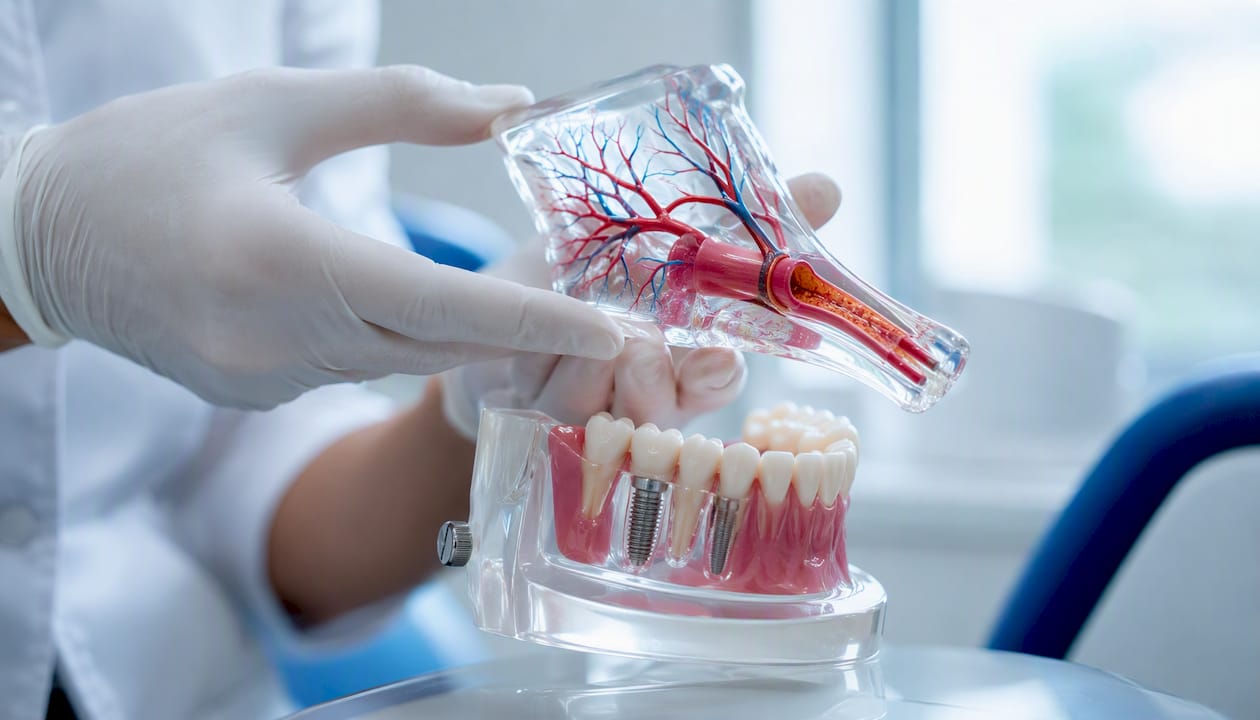
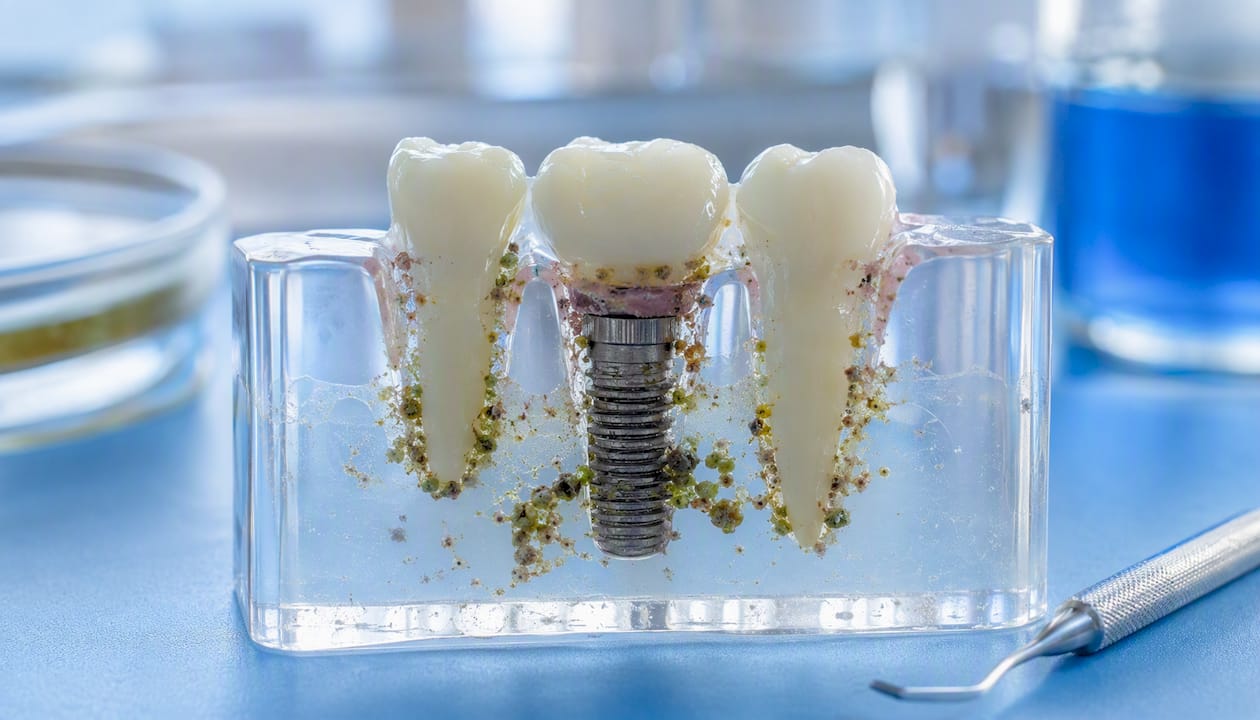
Impaired immune response. Smoking suppresses white blood cell activity and reduces the function of neutrophils, the cells that clear bacteria from a wound. At the same time, smokers carry higher bacterial loads in the mouth and show altered microbial communities around implant sites. That combination raises the risk of infection and peri-implantitis, the implant equivalent of gum disease. The CDC confirms that smokers have about twice the risk of developing severe periodontal disease compared with non-smokers, and that smoking reduces the effectiveness of periodontal treatments.
Fibroblast dysfunction. Fibroblasts are the cells responsible for building the connective tissue that closes a wound. Tobacco toxins impair their migration and proliferation, which slows soft-tissue closure over the implant and leaves the site exposed to bacteria for longer.
Pro Tip: If your treatment plan includes a bone graft, the mechanisms above matter even more. Grafted bone depends entirely on vascular ingrowth to survive and integrate. Smoking during the graft healing period can cause partial or complete graft failure before the implant is even placed, which means additional surgery and cost.
What does the research actually show about implant failure risk?
The evidence base for smoking and dental implants is now substantial. Multiple systematic reviews and meta-analyses have pooled data across thousands of patients and implants, and the direction of the findings is consistent.
A systematic review and meta-analysis published in Medicina reported an odds ratio of 2.402 for implant failure in smokers versus non-smokers, with a mean marginal bone-loss difference of 0.58 mm. A separate PMC systematic review covering 41 cigarette-smoking studies found a pooled implant-level OR of 0.40 for survival (meaning smokers had substantially lower odds of implant survival) and increased crestal bone loss of approximately 0.64 mm.
Study / Review | Follow-up Range | Key Numeric Finding |
Naseri et al. 2020 (Medicina) | 1–10 years | OR 2.402 for failure; MBL +0.58 mm |
PMC Umbrella Review (Carra et al. 2023) | 1–17 years | Survival OR 0.40; CBL +0.64 mm |
Chrcanovic et al. 2015 | 1–15 years | Significantly higher failure rate in smokers across jaw locations |
Systematic reviews overview (PMC 2023) | 1–17 years | Consistent increase in peri-implantitis incidence in smokers |
What those numbers mean in plain language: An OR of 2.4 means that for every implant that fails in a non-smoker, roughly 2.4 implants fail in smokers under comparable conditions. A bone-loss difference of 0.58–0.64 mm may sound small, but it is clinically significant because marginal bone loss drives peri-implantitis and, eventually, implant loss.
A few important caveats apply. Most of the underlying studies are observational, which means confounding factors (oral hygiene, systemic health, implant system) are difficult to fully control. Smoking definitions vary across studies (pack-years, cigarettes per day, current vs. former), and follow-up durations range widely from 1 to 17 years. Systematic reviews note this heterogeneity and caution against treating pooled estimates as precise predictions for individual patients. That said, the direction and magnitude of the effect are consistent enough that no serious clinical guideline dismisses smoking as a minor factor.
A dose-response relationship also exists: heavier smoking and longer duration of exposure correlate with worse osseointegration outcomes. Every reduction in cigarette exposure measurably improves the biological environment for bone fusion.
Can smokers get dental implants, and how do clinicians decide?
Smoking is a modifiable risk factor, not an absolute contraindication to implants. Most oral surgeons and implant dentists will place implants in smokers, but they will assess several clinical factors before proceeding and will typically require a frank conversation about risk.
Clinicians generally evaluate:
Periodontal health. Active gum disease must be treated and stabilized before implant placement. Placing an implant into an infected mouth dramatically increases failure risk.
Bone volume and quality. Smokers often present with more bone loss than non-smokers of the same age. If bone volume is insufficient, a graft is needed, and smoking complicates graft success. See our guide on getting implants with bone loss for more on how that is managed.
Smoking intensity. Heavy smokers (generally defined as more than 10–15 cigarettes per day) face meaningfully higher risk than light smokers, and clinicians may adjust staging or follow-up frequency accordingly.
Systemic health. Conditions like uncontrolled diabetes compound smoking’s effects on healing and are assessed alongside tobacco use.
Prior implant history. A patient who lost a previous implant while smoking is at elevated risk for repeat failure.
Questions to bring to your consultation:
“Given that I smoke [X] cigarettes per day, how does that change my failure risk and treatment plan?”
“Do you recommend I quit or reduce before surgery, and for how long?”
“Will I need a bone graft, and how does smoking affect graft outcomes?”
“What follow-up schedule do you recommend for smokers after placement?”
Pro Tip: Stabilizing periodontal disease before implant placement is not optional for smokers. Residual pockets and active bleeding on probing are warning signs that the tissue environment is not ready. Ask your dentist to confirm your periodontal status is controlled before scheduling implant surgery. Our guide on dental implants with gum disease covers this in detail.
When can you smoke after implant surgery?
Timing matters enormously, and the guidance breaks into three distinct windows, each with a different biological rationale.
The first 72 hours: absolute no-smoking window. A blood clot forms in the socket immediately after implant placement. This clot is the foundation for early healing. Smoking creates negative pressure (suction) that can dislodge the clot, and the chemicals in smoke impair clot stability. Losing the clot leads to a painful condition called dry socket and exposes the implant to bacterial contamination. No exceptions apply here.
Days 4 through 14: soft-tissue healing phase. The gum tissue is closing over the implant site. Smoking during this window slows fibroblast activity, increases bacterial load, and raises the risk of wound dehiscence (the tissue reopening). Most clinicians recommend avoiding tobacco for the full two weeks after surgery if at all possible.
Weeks 3 through 12+ (osseointegration phase): the recommended abstinence window. Bone fusion to the implant surface takes 3–6 months. Smoking during this period reduces blood flow to the bone, impairs osteoblast function, and increases the risk of early implant failure before the crown is even placed. The ideal recommendation is permanent cessation, but at minimum, avoiding smoking through the first 3 months gives the implant the best chance of successful integration.
On vaping and e-cigarettes after surgery: The short answer is that vaping is not a safe substitute during healing. E-cigarette aerosols contain nicotine (which causes vasoconstriction), ultrafine particles, and other chemicals that can impair soft-tissue healing. The suction action of vaping also risks dislodging the blood clot in the first 72 hours. Treat vaping the same as cigarettes for all three windows above.
Pro Tip: If permanent cessation is not realistic right now, plan NRT use around the vulnerable windows. A nicotine patch delivers nicotine without smoke, heat, or suction, making it the safest option for managing cravings in the first weeks after surgery. Tell your dental team which NRT product you are using so they can factor it into your follow-up plan.
Are e-cigarettes, vaping, or smokeless tobacco safer for implants?
Many patients assume that switching from cigarettes to a “smoke-free” alternative removes the implant risk. The evidence does not support that assumption.
E-cigarettes and vaping. A 2025 review in the Journal of Oral Medicine and Research found that e-cigarette aerosols contain harmful substances including heavy metals and ultrafine particles that promote periodontal inflammation and may increase microbial adhesion at implant sites. The suction mechanics also threaten early clot stability.
Smokeless tobacco (chewing tobacco, snuff). The FDA confirms that smokeless tobacco increases the risk of oral cancer, periodontitis, and tooth loss. Direct contact with gum tissue around an implant site is a meaningful concern.
Waterpipe (hookah). Waterpipe smoking delivers similar toxins to cigarettes and involves the same vasoconstriction and immune-suppression pathways. It is not a safer alternative for implant healing.
Licensed NRT (patch, gum, lozenge). NRT is the recommended option for perioperative nicotine control. It delivers nicotine without combustion, heat, suction, or the full chemical load of tobacco smoke. Coordinating NRT use with your dental and medical team allows for a structured taper that covers the most vulnerable healing windows.
Pro Tip: For patients at high risk of implant failure due to heavy smoking, consider scheduling pharmacotherapy (varenicline or bupropion, prescribed by your physician) to start 1–2 weeks before surgery and continue through the first 3 months post-op. This covers the entire osseointegration window and gives the implant the most protected environment possible.
What your dental team will do to support you
A well-prepared dental team does more than place the implant. For smokers, the clinical workflow should include several additional steps.
Before surgery:
Periodontal assessment and treatment to eliminate active disease
Bone volume evaluation and graft planning if needed
Smoking history documentation (cigarettes per day, pack-years, current status)
Cessation counseling or referral to a quitline or physician for pharmacotherapy
After surgery:
More frequent follow-up appointments (typically at 2 weeks, 6 weeks, and 3 months rather than the standard schedule)
Targeted oral hygiene instruction for peri-implant care
Monitoring for early signs of peri-implantitis (bleeding on probing, pocket depth changes, bone-level radiographs)
Cessation support your dental team can offer:
Brief behavioral interventions (the “5 A’s” framework: Ask, Advise, Assess, Assist, Arrange)
Referral to the 1-800-QUIT-NOW national quitline or state-specific programs
Coordination with your primary care physician for pharmacotherapy (varenicline, bupropion, or NRT)
Evidence-based reviews show that brief dental-team interventions combined with pharmacotherapy can raise long-term smoking abstinence rates by an additional 50–70% compared to no support. The dental visit is an underused but genuinely effective point of intervention.
Pro Tip: Ask your dentist to document your quit-support plan in writing and tie cessation check-ins to your post-op appointments. Having a written plan with specific dates makes it easier to stay on track and gives the clinical team a clear record to reference at each visit.
What the strongest studies actually show
The research on smoking and dental implants is more consistent than for many dental interventions. Here is a brief audit of the highest-quality evidence:
Chrcanovic et al. 2015 (systematic review and meta-analysis): One of the most-cited analyses in this area. Found significantly higher implant failure rates in smokers across both the maxilla and mandible, with the effect persisting across follow-up periods of 1–15 years.
Naseri et al. 2020 (Medicina): Pooled pairwise meta-analysis reporting OR 2.402 for failure and mean marginal bone-loss difference of 0.58 mm. Effect size was consistent across jaw locations and did not reliably attenuate with longer follow-up.
Dose-dependency analysis (2026): Recent practitioner-level analysis confirmed a dose-dependent relationship: higher intensity and longer duration of smoking correlate with increased failure risk, and every reduction in exposure improves the osseointegration environment.
PMC systematic reviews overview (2023): Reviewed multiple systematic reviews and confirmed consistent increases in peri-implant marginal bone loss and peri-implantitis incidence among smokers, with follow-up ranging 1–17 years.
Evidence strength summary: The body of evidence is large, consistent in direction, and clinically meaningful. Most studies are observational, which limits causal certainty, and smoking definitions vary across trials. Randomized controlled trials on this specific question are limited for ethical reasons. Clinicians reasonably treat the pooled OR of approximately 2.4 as a working estimate of elevated risk, not a precise individual prediction.
A concrete checklist for before and after surgery
Before surgery
Quit smoking at least 2–4 weeks before your procedure date, or reduce as much as possible.
Complete periodontal treatment and confirm your gum disease is controlled.
Discuss NRT or pharmacotherapy options with your dentist and primary care physician.
Get a bone volume assessment; ask whether a graft is needed and how smoking affects graft timing.
Confirm your medical clearance and disclose all medications and tobacco products you use.
Immediately after surgery (first 72 hours to 2 weeks)
No smoking, vaping, or any tobacco product for at least 72 hours after placement.
Avoid any suction action (straws, vaping devices, vigorous rinsing).
Follow your dentist’s oral hygiene instructions precisely; do not skip rinses or cleaning steps.
Attend your 2-week post-op appointment and report any pain, swelling, or bleeding.
Long-term maintenance (months 1–6 and beyond)
Aim to stay smoke-free through the full osseointegration period (3–6 months).
Schedule regular hygiene appointments every 3–4 months rather than the standard 6-month interval.
Monitor for peri-implantitis symptoms: bleeding around the implant, swelling, or looseness.
Continue cessation support. Call 1-800-QUIT-NOW (free, 24/7) or visit your state quitline for ongoing help. The CDC’s cessation resources and FDA’s tobacco and oral health page are reliable starting points.
Pro Tip: Combined behavioral counseling plus pharmacotherapy (not one or the other) consistently outperforms either approach alone. When you call 1-800-QUIT-NOW, ask specifically about combining the quitline coaching with a prescription medication from your doctor. That combination gives you the strongest evidence-based support available.
Our perspective at Mersaldental
We see smokers as implant candidates every week, and our clinical stance is straightforward: smoking increases risk, but it does not automatically disqualify you. What matters is honest disclosure, a realistic conversation about your specific risk level, and a plan that accounts for where you are in your smoking history.
We support cessation as part of implant planning, not as a lecture. If you are ready to quit, we can connect you with resources and coordinate your quit timeline with your surgery date. If you are not ready to quit completely, we will work with you on harm-reduction strategies and a closer monitoring schedule. We offer direct insurance billing, accept the CDCP, and provide same-day emergency assessments when complications arise.
Mersaldental is here when you are ready to take the next step
Smokers considering implants often put off the consultation because they assume they will be turned away. We do not work that way. At Mersaldental, we evaluate every patient individually, discuss your smoking history without judgment, and build a treatment plan that is honest about risk and realistic about your goals.

Whether you need a first assessment, a bone graft evaluation, or a conversation about how quitting fits into your implant timeline, our team in Ottawa is ready to help. We accept new patients, offer direct insurance billing, and work with CDCP and IFHP programs. Visit Mersaldental to book your consultation, or explore our full range of dental services to see how we support patients at every stage of implant care.
Sources
This article is general information, not a substitute for advice from a qualified doctor. Consult a qualified healthcare professional about your own circumstances before acting on anything here.
Recommended
Comments