Whitening Teeth Without Hurting Enamel: 2026 Guide

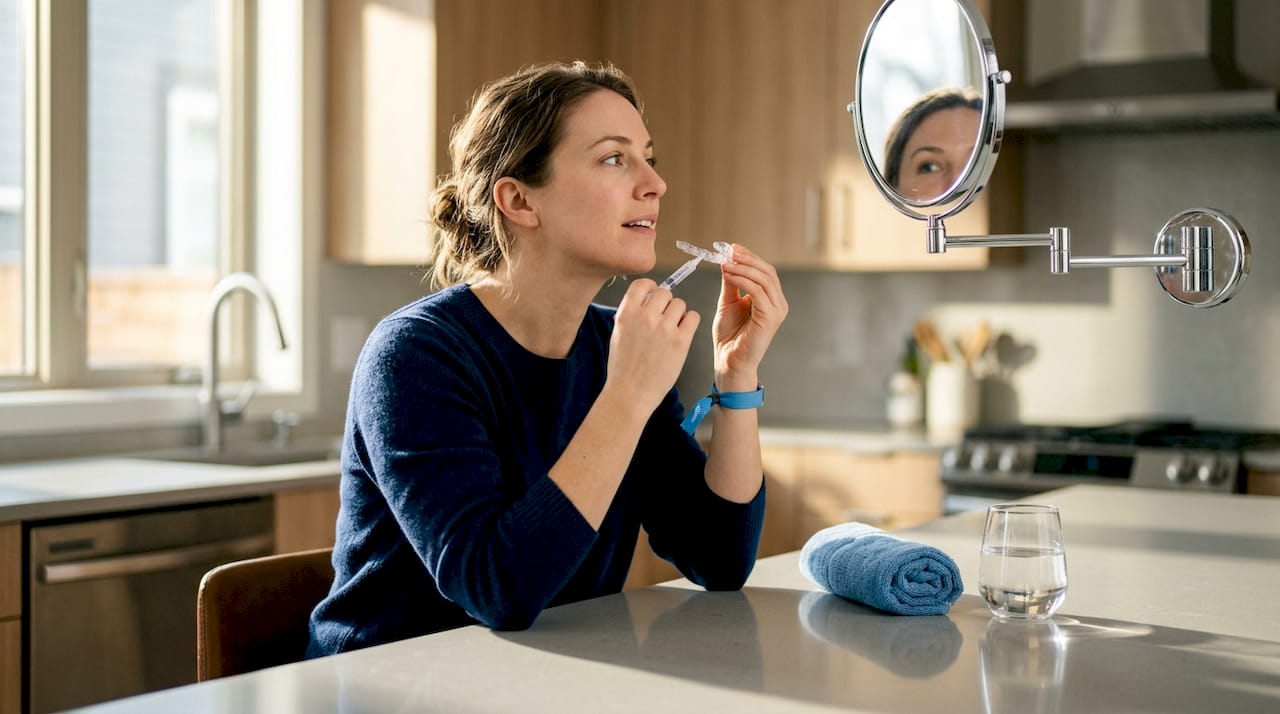
Whitening teeth without hurting enamel is achievable when you choose methods that target surface stains without compromising tooth structure. Enamel, the hard outer layer of each tooth, does not regenerate once lost. That single fact changes everything about how you should approach whitening. The good news is that recent 2026 research supports several gentle, effective options, from PAP-based agents to nano-hydroxyapatite formulas, that brighten teeth while actively protecting enamel. This guide walks you through what works, what causes damage, and how to build a safe whitening routine.
How whitening teeth without hurting enamel is possible
Tooth stains fall into two categories: extrinsic and intrinsic. Extrinsic stains sit on the enamel surface and come from coffee, tea, wine, and tobacco. Intrinsic stains live deeper inside the tooth structure and require bleaching agents to address. Knowing which type you have determines which method is safe and effective for you.
Enamel-safe teeth whitening works by targeting extrinsic stains with mild abrasives or oxidizing agents at concentrations low enough to avoid structural damage. The American Dental Association recognizes whitening products that stay within safe peroxide concentration limits as acceptable for home use. Professional supervision adds another layer of protection by matching the method to your specific enamel condition.
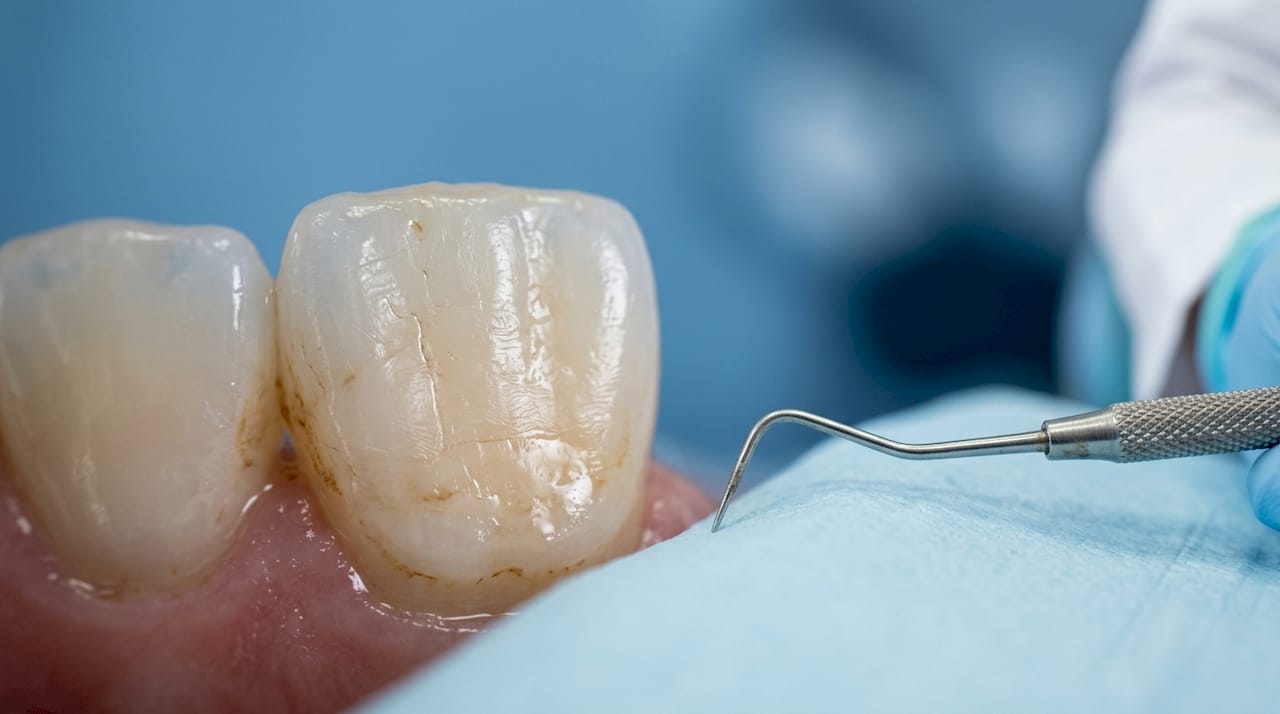
How conventional whitening methods can damage enamel
Enamel is the hardest substance in the human body, but it is not indestructible. It is made of tightly packed hydroxyapatite crystals, and once those crystals erode, your body cannot replace them. This is why the method you choose for whitening matters so much.
High-concentration hydrogen peroxide and carbamide peroxide, when misused, cause demineralization. They generate free radicals that penetrate enamel and break down its mineral structure. The result is increased surface roughness, reduced microhardness, and heightened sensitivity.
Acidic DIY remedies like lemon juice and apple cider vinegar have a pH of roughly 2.5. At that level, enamel begins to dissolve. Any short-term brightening you see is not stain removal. It is enamel erosion itself, and that damage is permanent.
Abrasive home remedies carry their own risks. Activated charcoal scrubs and high-grit whitening toothpastes can physically wear enamel down over time. Whitening toothpastes can reach a Relative Dentin Abrasivity (RDA) score of 100–200, while plain baking soda toothpaste sits at roughly 7. Daily use of high-RDA products thins enamel and exposes the yellow dentin underneath, which is the opposite of the result you want.
The risks of conventional whitening include:
High-concentration peroxides: Cause free radical damage and demineralization when used without professional guidance
Acidic substances (lemon juice, apple cider vinegar): Dissolve enamel at the surface level, causing irreversible erosion
Activated charcoal scrubs: Physically abrade enamel with repeated use
High-RDA whitening toothpastes: Thin enamel over months of daily use
Overuse of any bleaching agent: Sensitivity and surface degradation increase with frequency beyond recommended limits
What are the safest methods for gentle teeth whitening?
Several gentle, evidence-backed options exist for patients who want whiter teeth without enamel damage. Each works differently, and combining a few of them produces the best results.
Baking soda paste: Baking soda removes extrinsic stains through mild mechanical action. Used 2–3 times per week, it can brighten teeth 1–3 shades in 10–14 days. It does not bleach intrinsic stains, but its low RDA score makes it one of the safest abrasive options available.
Low-concentration hydrogen peroxide rinses: A diluted hydrogen peroxide rinse (around 1.5%) used briefly can reduce surface staining without the oxidative load of full bleaching treatments. Limit use to a few times per week and avoid swallowing.
PAP-based whitening agents: Phthalimidoperoxycaproic acid (PAP) is a newer non-peroxide whitening agent that causes only 2.2% enamel microhardness reduction compared to high-concentration peroxides. PAP avoids free radical formation entirely, which is the primary mechanism behind enamel damage and post-treatment sensitivity.
Nano-hydroxyapatite (n-HAP) formulas: Products containing nano-hydroxyapatite do double duty. They whiten by filling surface micro-defects and simultaneously promote mineral deposition in enamel. This makes them one of the few whitening agents that actively strengthen enamel while brightening it.
Oil pulling: Swishing with coconut oil for 10–15 minutes reduces plaque and surface staining over time. The evidence for dramatic whitening is limited, but oil pulling causes zero enamel damage and supports overall oral hygiene.
Dentist-prescribed custom trays: Custom-fitted whitening trays ensure even gel contact across all tooth surfaces, minimize gum irritation, and allow your dentist to adjust the concentration to match your enamel’s condition. They are the safest at-home whitening option for patients who want real results without risk.
Pro Tip: Apply a remineralizing toothpaste containing nano-hydroxyapatite or fluoride for two weeks before starting any whitening treatment. This strengthens enamel and significantly reduces sensitivity during bleaching.
How does remineralization protect enamel during whitening?
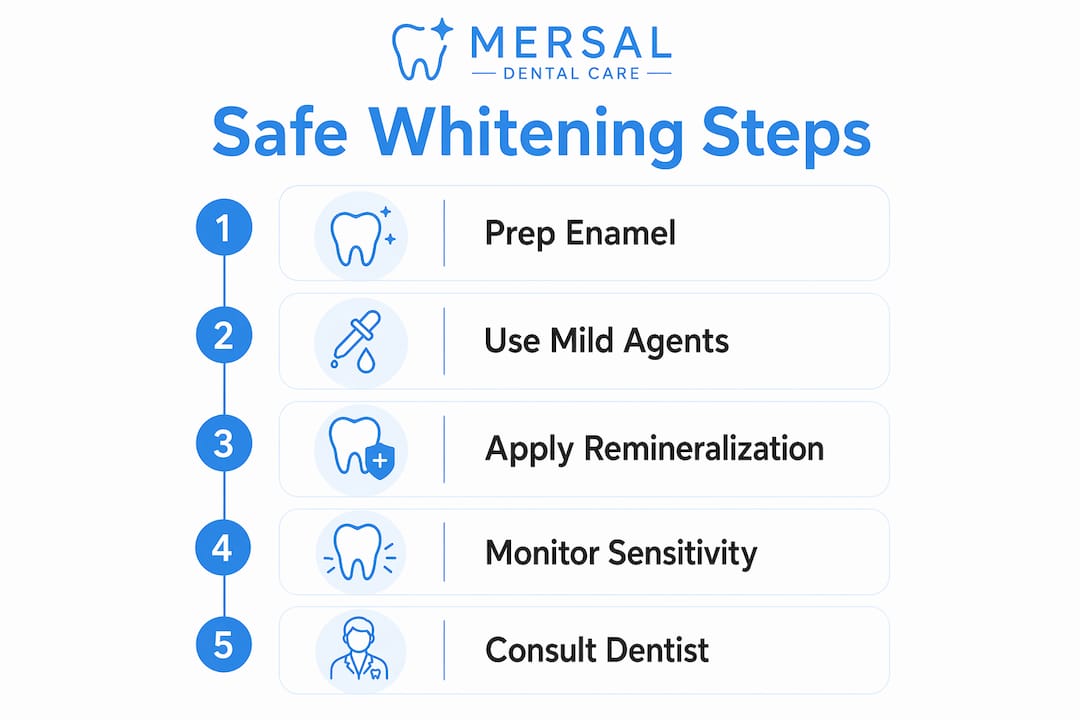
Remineralization is the process of restoring lost minerals to enamel before they cause visible damage. Building this step into your whitening routine is one of the most effective ways to protect your teeth.
Preparing enamel with remineralizing agents before bleaching improves enamel resistance and reduces susceptibility to oxidative damage. Topical fluoride, casein phosphopeptide-amorphous calcium phosphate (CPP-ACP), and nano-hydroxyapatite are the three most clinically supported options. Each works by depositing calcium and phosphate ions into enamel micro-pores, increasing surface hardness before whitening begins.
Diet also plays a role. Foods rich in calcium (dairy, leafy greens), phosphorus (eggs, fish), and vitamin D support enamel mineralization from the inside. Reducing acidic food and drink intake during a whitening course protects the enamel you are actively trying to strengthen.
The table below outlines a practical remineralization schedule to use alongside any whitening treatment:
Phase | Action | Duration |
Pre-whitening prep | Use n-HAP or fluoride toothpaste twice daily | 2 weeks before starting |
Active whitening | Apply whitening agent per dentist instructions | As directed (typically 2–4 weeks) |
Rest days | Skip whitening; use remineralizing toothpaste only | Every 2–3 days during treatment |
Post-whitening recovery | Use CPP-ACP or n-HAP gel for 1–2 weeks | Immediately after completing treatment |
Key remineralization habits to maintain throughout any whitening course:
Drink water after acidic foods or drinks to neutralize pH quickly
Avoid whitening immediately after eating or drinking acidic items
Use a soft-bristle toothbrush to avoid mechanical enamel loss
Space whitening sessions to give enamel time to remineralize between treatments
What whitening mistakes cause the most enamel damage?
The most common whitening mistakes are also the most preventable. Understanding them protects your enamel and saves you from costly dental repairs.
Overusing abrasive toothpastes is the most widespread error. Daily use of high-RDA whitening toothpastes over months wears enamel progressively thinner. Switch to a low-abrasion formula for everyday brushing and reserve higher-RDA products for occasional use only.
Ignoring sensitivity signals is equally damaging. Tooth sensitivity affects 30–50% of patients who use whitening products, with rates climbing sharply when stronger peroxides are used without supervision. Sensitivity is your enamel telling you to stop. Continuing through pain accelerates damage.
Trusting blue LED light kits is a costly misconception. The blue LED light in many DIY whitening kits raises sensitivity risk 3.53 times without adding any chemical whitening benefit. The light heats and dries the enamel surface, increasing nerve irritation. Skip any kit that relies on light activation as its main selling point.
Additional mistakes to avoid:
Using lemon juice or vinegar as a rinse: Both dissolve enamel within a few applications
Whitening every day: Enamel needs recovery time between sessions; daily bleaching prevents remineralization
Skipping a dental check before whitening: Cavities, cracked teeth, and gum disease all make whitening more dangerous
Buying high-concentration gels online: Products above 6% hydrogen peroxide require professional supervision to use safely
Pro Tip: If you notice white spots, increased cold sensitivity, or a chalky texture on your teeth after whitening, stop immediately and book a dental hygiene appointment to assess enamel integrity.
Key Takeaways
Safe whitening requires low-concentration agents, remineralization support, and professional guidance to protect enamel from irreversible damage.
Point | Details |
Enamel does not regenerate | Any erosion from acids or abrasives is permanent, making method choice critical. |
PAP and n-HAP are the safest agents | PAP causes only 2.2% microhardness reduction; n-HAP actively rebuilds enamel while whitening. |
Remineralize before and after whitening | Use fluoride, CPP-ACP, or nano-hydroxyapatite for two weeks before and after any bleaching course. |
Blue LED light kits increase sensitivity | Light activation raises sensitivity risk 3.53 times with no added whitening benefit. |
Custom trays outperform OTC kits | Dentist-fitted trays deliver even gel contact, lower concentrations, and safer outcomes. |
What I’ve learned from years of watching patients whiten their teeth
The patients who get the best results are never the ones who use the strongest products. They are the ones who are patient, consistent, and willing to prepare their enamel before they start. I have seen people come in with significant sensitivity and surface roughness after a few weeks of aggressive at-home whitening. Reversing that damage takes far longer than the whitening took to cause it.
The thing that frustrates me most is the blue LED light trend. Patients pay a premium for kits that actively make their teeth more sensitive without delivering better color results. The marketing around light activation is convincing, but the clinical evidence is clear: it does not work as advertised.
What does work is a combination approach. Remineralize first, whiten gently, rest between sessions, and remineralize again. PAP-based products and nano-hydroxyapatite formulas represent a real step forward in enamel-safe whitening. They are not gimmicks. The research behind them is solid, and we are seeing better patient outcomes with these agents compared to older peroxide-heavy protocols.
My honest advice: skip the viral home remedies. Lemon juice, charcoal, and oil pulling alone will not give you the results you want, and two of those three will actively harm your enamel. A professional whitening consultation costs less than most people expect and gives you a plan that is matched to your actual enamel condition. That is always worth more than a generic kit from a shelf.
— Mersal
Whiter teeth, protected enamel: how Mersaldental can help
Mersaldental, located in lower town Ottawa, offers professional whitening consultations for patients who want real results without risking their enamel.
We prescribe custom-fitted whitening trays with low-concentration gels calibrated to your enamel’s current condition. Every whitening plan at Mersaldental includes a full enamel assessment before treatment begins. We also accept new patients, offer direct insurance billing, and participate in the CDCP program. If you want a safe, personalized whitening plan, visit our dental services page or book directly through the Mersaldental home page. Same-day appointments are available for patients with urgent concerns.
FAQ
What is the safest way to whiten teeth at home?
Dentist-prescribed custom trays with low-concentration whitening gel are the safest at-home option. They deliver even coverage, minimize gum contact, and allow concentration adjustments based on your enamel’s condition.
Does baking soda damage enamel?
Baking soda has a very low RDA score of roughly 7, making it one of the least abrasive whitening options. Used 2–3 times per week, it safely removes surface stains without thinning enamel.
What is PAP and why is it better for enamel?
PAP (phthalimidoperoxycaproic acid) is a non-peroxide whitening agent that whitens without generating free radicals. It causes only 2.2% enamel microhardness reduction, significantly less than high-concentration peroxide products.
Can whitening toothpaste damage enamel?
Yes, if used daily over a long period. Some whitening toothpastes reach an RDA score of 100–200, which physically abrades enamel over time. Use them occasionally and choose a low-abrasion formula for daily brushing.
When should I see a dentist before whitening?
See a dentist before whitening if you have existing sensitivity, visible cavities, cracked teeth, or gum disease. Whitening over damaged enamel or active decay accelerates harm and can cause significant pain.
Recommended
Comments