Ottawa: 6 Dental Causes of Bad Breath and When to See a Dentist

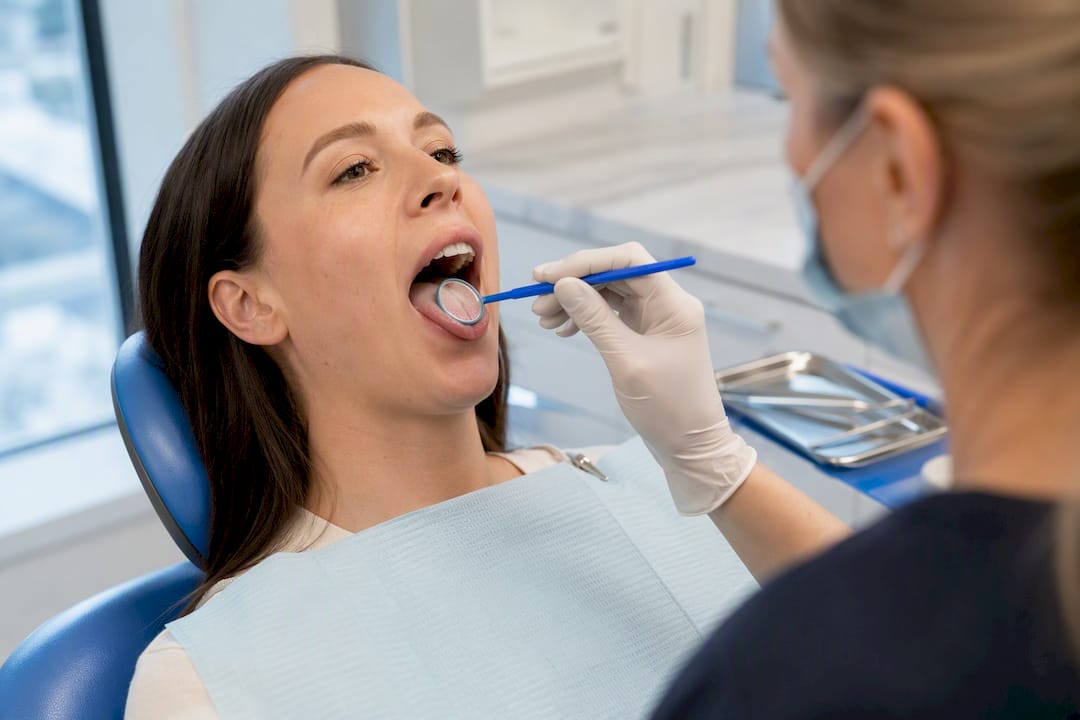
Most chronic bad breath starts inside the mouth, not the stomach. Between 80% and 90% of cases trace back to bacteria on the tongue, in gum pockets, or around decaying teeth, producing sulfur compounds that smell exactly as bad as they sound. Dry mouth makes it worse. The fix for most people starts with better tongue and gum care, and a dentist visit if the smell doesn’t budge or comes with other symptoms.
TL;DR:
Most chronic bad breath originates inside the mouth due to bacteria on the tongue, in gum pockets, or around decayed teeth, producing sulfur compounds.
Reduced saliva flow, dry mouth, and tongue biofilm significantly contribute to the buildup of odor-causing bacteria.
Persistent bad breath from one specific tooth often indicates an active infection like decay or abscess, requiring dental treatment within days.
Clear systemic causes include metabolic changes from diabetes or kidney disease and respiratory issues, which need medical evaluation beyond oral hygiene.
Effective management combines daily mechanical cleaning, proper hydration, targeted mouth rinses, and professional treatments, with prevention driven by consistent routines.
Table of Contents
What Causes Bad Breath: The Bacteria Behind the Smell
The odor itself has a name: volatile sulfur compounds, or VSCs. Anaerobic bacteria, the kind that thrive without oxygen, break down proteins from food debris, dead cells, and mucus. That process releases hydrogen sulfide, methyl mercaptan, and dimethyl sulfide, the same family of gases behind rotten egg and cabbage smells.
Your tongue is the main breeding ground. The surface is covered in tiny bumps called papillae, and the grooves between them trap bacteria, food particles, and dead skin cells into a soft coating you can often see in the mirror, usually white or yellowish toward the back.
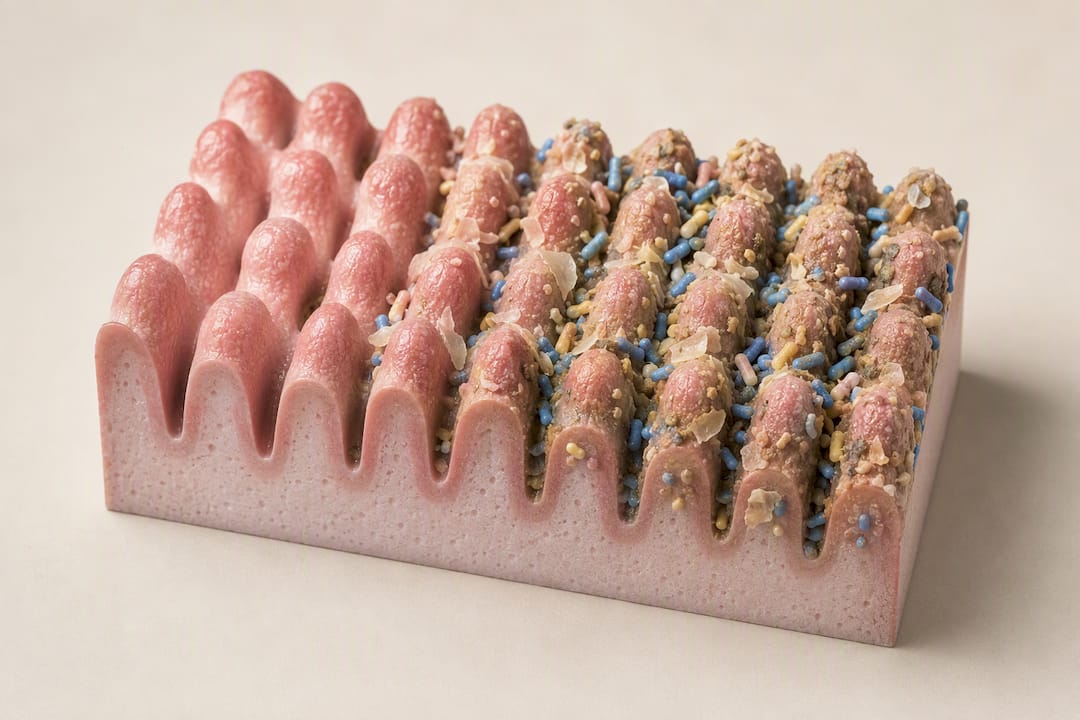
Saliva normally keeps this under control. It washes away debris, neutralizes acids, and carries antibacterial compounds across your teeth and tongue all day. When saliva flow drops, a condition called xerostomia, that cleansing action stalls and bacteria build up faster than your mouth can clear them.
Three things matter most for how bad breath actually forms:
Bacterial fuel: leftover food proteins, mucus, and dead cells feed odor-producing bacteria.
Tongue biofilm: the coating on the back of your tongue holds the highest concentration of these bacteria.
Saliva flow: reduced saliva lets VSCs accumulate instead of washing away.
Bad Breath From Teeth and Gums: The Usual Suspects
If bad breath keeps coming back no matter how much gum you chew, the cause usually sits in one of six places.
Tongue coating. A visibly furry or discolored tongue, especially toward the back, is often the single biggest source. A tongue scraper or the back edge of your toothbrush reaches bacteria that brushing alone misses.
Periodontal disease. Bleeding gums, gums that look like they’re pulling away from your teeth, and teeth that feel loose are warning signs. Deep gum pockets act like sealed pouches where anaerobic bacteria multiply undisturbed.
Decay and abscesses. A cavity that’s gone untreated, or a tooth with a dying nerve, can produce a distinct bad taste from the tooth itself, sometimes alongside throbbing pain or visible swelling. That combination points to infection, not just odor.
Dentures and orthodontic appliances. Plastic and metal surfaces trap bacteria just like natural teeth do. An ill-fitting denture or a retainer that never gets cleaned properly can sour breath fast.
Dry mouth. Certain medications, chronic mouth breathing, and conditions like Sjögren’s syndrome all reduce saliva production, removing the mouth’s natural rinse cycle.
Tobacco and alcohol. Smoking dries out oral tissue and leaves its own odor behind, while alcohol both dehydrates and feeds bacterial growth.
Pro Tip: If a bad taste seems to come from one specific tooth rather than your whole mouth, treat that as a signal to call a dentist within days, not weeks. Localized bad taste from a tooth often means an active infection that won’t resolve with brushing alone.
When Bad Breath Signals Something Beyond Your Mouth
Extraoral causes are less common, but they matter because they can point to a condition that needs medical attention. A few patterns are worth knowing.
Sinus and throat issues. Chronic sinusitis, tonsillitis, and tonsilloliths (small calcified deposits that form in the folds of your tonsils) all trap bacteria outside the reach of brushing or flossing.
Lung conditions. A persistent cough, blood in your sputum, or a foul smell tied to breathing rather than talking can indicate a lung infection or abscess, and warrants a doctor’s visit.
Reflux disorders. GERD and, less commonly, a Zenker diverticulum (a pouch that forms in the throat) can push stomach contents and trapped food back up, contributing to bad breath from the stomach.
Metabolic signals. A fruity or acetone-like smell can point to diabetes, while an ammonia or fishy odor can suggest kidney or liver disease. Both patterns are linked to identifiable metabolic changes rather than anything happening in the mouth itself.
Medications. Antihistamines, blood pressure drugs, and antidepressants are common culprits behind reduced saliva flow, which indirectly worsens breath.
How Dentists Diagnose the Source of Bad Breath
A dentist doesn’t guess. The exam usually follows a set sequence: a review of your medical and dental history, an organoleptic assessment (a trained clinician actually smelling your breath at a measured distance), a look at tongue coating, and periodontal probing to check for gum pockets. Imaging comes into play when decay or an abscess is suspected.
Self-assessment has real limits. Adaptation means you often can’t smell your own breath accurately, which is one reason objective clinical evaluation works better than guessing based on how your mouth feels.
A few signs should move you from “brush more” to “book an appointment”:
A persistent fruity, ammonia, or fishy smell that doesn’t track with anything you ate.
Unexplained weight loss or night sweats alongside chronic bad breath.
Blood in saliva or sputum.
Pain, swelling, or a bad taste localized to one tooth.
Bad Breath Treatment That Actually Targets the Cause
Effective chronic bad breath treatment starts with mechanics, not mints. Brushing twice daily with fluoride toothpaste, daily flossing, and tongue cleaning physically remove the bacteria producing VSCs instead of just covering the smell for twenty minutes.
Daily mechanical care: toothbrush, floss, and a tongue scraper or brush, used every day without skipping.
Hydration and saliva stimulation: water throughout the day and sugarless gum to keep saliva flowing.
Targeted rinses: mouthwashes with zinc or cetylpyridinium chloride help reduce VSCs directly rather than masking them.
Professional care: dental cleanings, periodontal therapy for gum disease, and treatment of any decay or abscess address the source rather than the symptom.
Denture care: proper cleaning and refitting when a denture no longer sits correctly.
Pro Tip: Chlorhexidine rinses are strong VSC fighters, but regular use can stain teeth, so they’re best used in short, dentist-directed courses rather than as a daily habit indefinitely.
When the cause is systemic, oral care alone won’t fix it. Diabetes needs blood sugar management, GERD needs medical treatment for reflux, and suspected kidney or liver involvement needs evaluation by a physician, not a mouthwash.
Preventing Bad Breath: A Daily Checklist That Works
Prevention is mostly about consistency, not intensity.
Brush twice daily and floss once, every single day.
Scrape or brush your tongue, focusing on the back third where coating builds up.
Rinse with a targeted mouthwash a few times a week, not as a substitute for brushing.
Stay hydrated and chew sugarless gum when your mouth feels dry.
Cut back on tobacco and alcohol, and go easy on pungent foods before social situations.
Book routine dental cleanings and treat cavities or gum disease early rather than waiting for pain.
Ask your prescriber about alternatives if a medication is causing persistent dry mouth.
What Our Clinic Sees Behind Most Cases of Chronic Bad Breath
At Mersaldental, most patients who come in worried about chronic bad breath turn out to have a treatable oral cause, usually tongue coating or early gum disease, once we look closely. If you’re booking an appointment for this, bring your current medication list, a rough timeline of when the smell started, and note any accompanying symptoms.
The Honest Take on Chronic Bad Breath
Mouthwash and mints manage symptoms; they don’t diagnose anything. If a smell won’t quit after two weeks of real hygiene changes, see a dentist before you spend another dollar on a rinse.
— Mersal
Get Persistent Bad Breath Checked at Mersaldental
Mints and rinses only go so far when the cause is a gum pocket, a hidden cavity, or built-up tongue biofilm that needs professional removal. Our clinic offers full dental exams, periodontal therapy, and same-day emergency visits for cases where an abscess or infection is driving the odor, with options for direct insurance billing and acceptance of dental coverage programs.

A same-day exam can tell you in one visit whether your bad breath is coming from your gums, your teeth, or somewhere else entirely, and what to do about it. If you’re in the downtown Ottawa area and ready to stop guessing, book an appointment with Mersaldental and get a straight answer instead of another bottle of mouthwash.
Sources
This article is general information, not a substitute for advice from a qualified doctor. Consult a qualified healthcare professional about your own circumstances before acting on anything here.
FAQ
How can I get rid of bad breath?
Brush twice daily, floss, clean your tongue with a scraper, and stay hydrated. If the smell persists after a couple of weeks of consistent care, see a dentist to check for gum disease or decay.
What breath smells indicate illness?
A fruity or acetone smell can point to diabetes, while an ammonia or fishy odor can suggest kidney or liver disease. Either pattern warrants a conversation with a physician, not just better brushing.
Why does my friend’s breath smell so bad even though they brush?
Brushing alone often misses the tongue coating and gum pockets where odor-causing bacteria concentrate, so someone can brush regularly and still have chronic halitosis if they skip tongue cleaning or have underlying gum disease.
What causes fishy bad breath?
A fishy or ammonia-like odor is a recognized sign of kidney trouble, since the kidneys normally filter out compounds that build up and get released through breath when they’re not working properly.
Is it possible to think I have bad breath when I don’t?
Yes. Some people perceive an odor that clinical exams and objective testing don’t confirm, a pattern dentists sometimes evaluate separately from true halitosis, and asking a trusted person or a dentist for an honest check can settle the question.
Recommended
Comments